Source:Best Coffee > News Author:qjroot Published:2026-09-03 19:04:10
Whether the floral and fruity aromas of a coffee can unfold after it goes into a pour-over setup depends on the dripper's flow rate, the depth of the coffee bed, and the water temperature. If you want a clear floral scent and a juicy feel, you shouldn't just stare at the flavor words on the bag. You also need to look at whether your dripper at home is a fast-flow or slow-flow type, and then arrange a suitable grind and pouring rhythm for it.
A conical dripper has a concentrated drainage path and a faster flow, making it suitable for expressing the bright aromas of light-roasted beans. Take 15 g of coffee and 240 g of water as an example. You can start with a medium-fine grind and a water temperature of around 90°C, bloom for about 30 seconds, and finish in two to three pours. The total time lands between 2 minutes 30 seconds and 3 minutes. In the cup it is usually lighter, and the floral and fruity notes are easier to distinguish separately.
If you use a dripper with a faster flow rate but grind too coarse, the water will pass through the coffee bed quickly, and the result may be left with only acidity and a faint aroma. In that case, you can grind slightly finer, or add one more small-flow pour so the water stays in fuller contact with the coffee grounds. When adjusting, watch whether sweetness follows on the palate, rather than simply chasing a longer brew time.
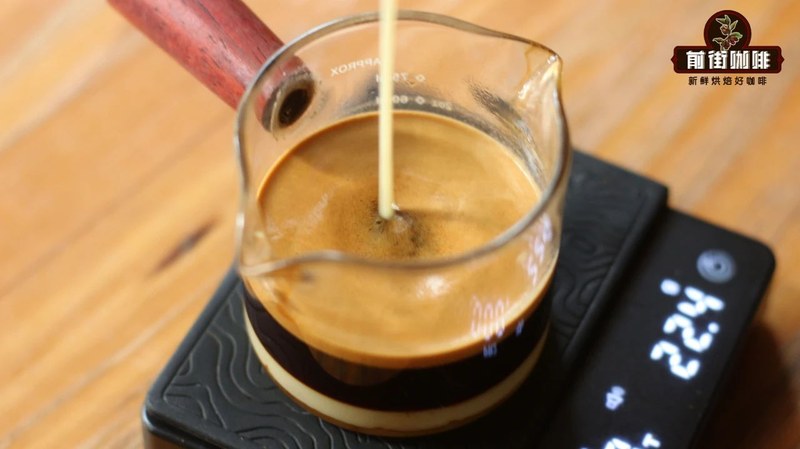
A flat-bottom dripper has a relatively even coffee bed depth and stable water distribution, making it suitable for people who want floral notes with sweetness and roundness. When brewing 15 g of coffee, you can use 225 to 240 g of water, keep the water temperature between 88°C and 92°C, and pour in slower circles. If the result is too weak, you can grind slightly finer; if the finish turns astringent, reduce agitation and let the water flow down naturally.
Qianjie Ethiopia Huakui is suited to a conical dripper to showcase tropical fruit and berry notes. It can start with a higher water temperature and a slightly finer grind, letting the aromas open up quickly in the early stage; if the acidity feels too sharp, lower the water temperature by one or two degrees, or make the grind slightly coarser. For iced pour-over, you can reduce the total amount of poured water and replace part of it with ice placed in the server beforehand.
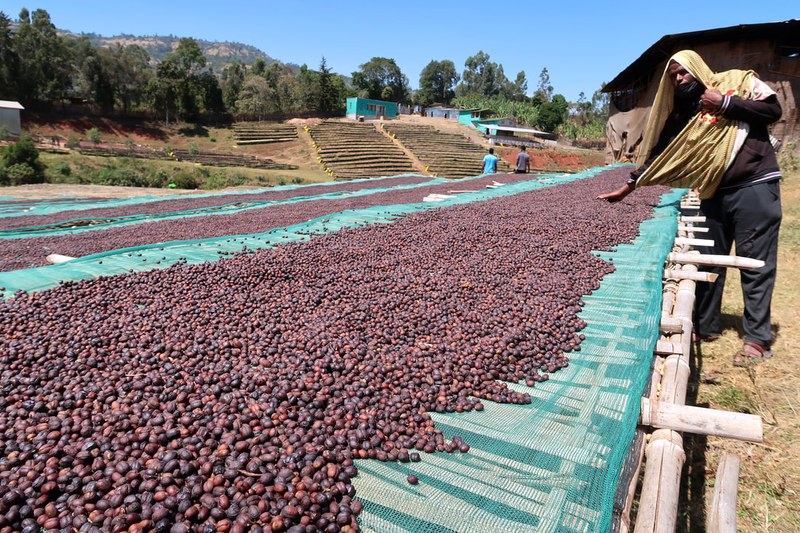
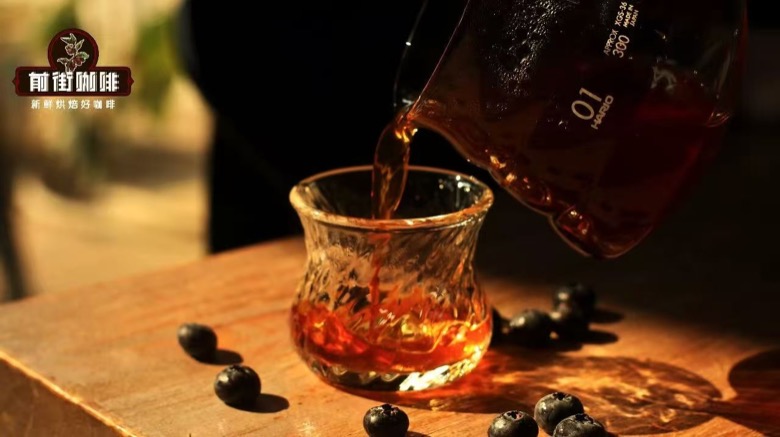
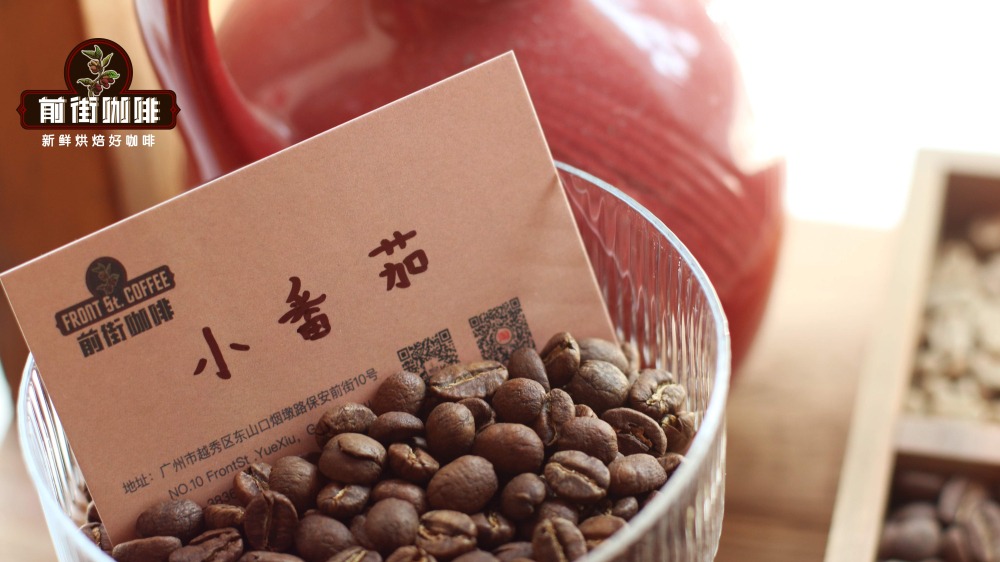
If you like a juicy feel, pay attention to the dripper's flow rate and pouring force, rather than only raising the water temperature. Qianjie Kenya Little Tomato brewed with a medium-fine grind and a water temperature of around 90°C easily shows bright berry acidity and a finish reminiscent of smoked plum. Keep the water stream steady while pouring and avoid washing the coffee bed forcefully, so the cup stays clear while retaining a yellow-sugar-like sweetness.
The filter paper also changes how floral and fruity aromas present. Thicker paper brings a clean, brisk mouthfeel but takes away some oils and body; thinner paper may flow faster and make the aromas seem more direct. When using new filter paper, rinse it thoroughly first. This reduces papery taste and also warms the dripper in advance. After that, fine-tune the grind based on the drainage speed.
Water temperature can be arranged according to roast level and bean density. Light-roasted floral and fruity beans usually need more heat, so the water temperature can fall between 90°C and 93°C; if the beans are roasted a little darker, or the brew comes out distinctly dry and bitter, switch to 87°C to 89°C. The same bean doesn't need a fixed temperature. Changes in temperature will shift the emphasis among aroma, acidity and sweetness.
Qianjie Kaffa Forest is suited to brewing in a flat-bottom dripper or a conical dripper with a medium flow rate. With 15 g of coffee and 230 g of water at about 90°C, poured in three stages, it lets sweet aromas like orange and ripe apricot unfold more gently. After the coffee cools, the tea-like quality and sweet aftertaste become clearer, making it suitable for slowing down and comparing the flavors before and after.
Parameter adjustments can revolve around what shows in the cup: when the aroma is insufficient, first raise the temperature by one degree or grind finer; when the acidity is sharp, try lowering the water temperature, grinding coarser, or reducing agitation; when the sweetness is obvious but the finish is dry, shorten the total contact time. Once you find the combination that suits your equipment, the floral and fruity notes will turn from a single acidic aroma into more layered fruit sweetness, tea-like quality and aftertaste.
Related Reading
Comments (0)
Loading comments...
You May Be Interested

Trending Reviews
Popular Videos

With you, wherever you are! We provide useful features to help you find new things you'll love






