Source:Best Coffee > News Author:qjroot Published:2024-11-20 18:29:08
According to Kenyan media reports, the European Parliament voted in a recent session to delay the implementation of the EU Deforestation Regulation (EUDR) by one year, pushing its enforcement to December 2025, which buys Kenyan coffee exporters extra time to meet EU requirements. At the same time, quite a few exporters still worry that the current situation makes it hard to meet the EUDR requirements.
It is reported that this decision is of great significance to Kenya's coffee exports, as EU countries are the main market for Kenyan coffee, accounting for more than 20% of Kenya's coffee exports. Moreover, in June 2023, the Kenyan government signed an Economic Partnership Agreement with the EU in the capital, Nairobi, allowing Kenyan agricultural products, including green coffee beans, to be exported to the EU duty-free, and Kenya will also lower tariffs on EU products.
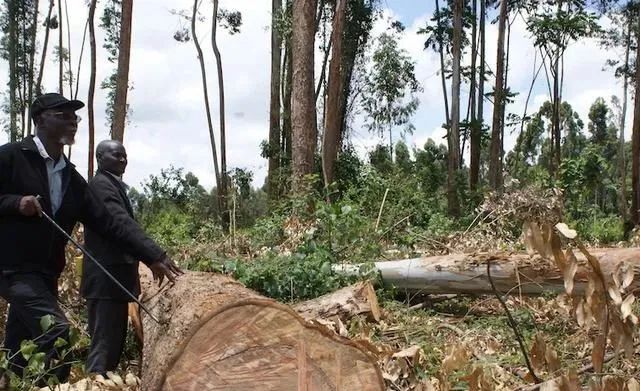
However, under the EU's EUDR regulations, the EU only procures seven categories of agricultural products, including coffee, cocoa and wood products, that can be proven not to have been grown on land deforested after December 31, 2020. Although, as early as 2018, Kenya announced a 90-day logging ban, which was later extended to November 24 and then extended by another year. By July 2023, the President of Kenya announced the lifting of this logging ban, all because Kenya plans to develop its domestic furniture-making industry and increase exports to boost domestic tax revenue, but at the same time this conflicts with the EU's EUDR rules and may affect other agricultural industries.

However, recently some industry insiders said that in Kenya there are many small-scale farmers who have insufficient understanding of the new regulations, and the fragmented farmer structure and the lack of preparation by local cooperatives may affect access to the EU market, while high compliance costs further add to the challenges.
And in recent years, although the government has been pushing reforms, such as fully opening up the coffee trade market and proposing the Direct Settlement System (DSS) to allow payment in foreign currency, the reforms have not been very successful; instead, the income of coffee exporters has fallen sharply. The government also closed some processing plants that failed to obtain new operating licenses in time, including some well-known coffee trading companies, leaving coffee farmers able to choose only licensed factories for processing, but factories are limited, processing capacity is seriously insufficient, resulting in delays in supply.
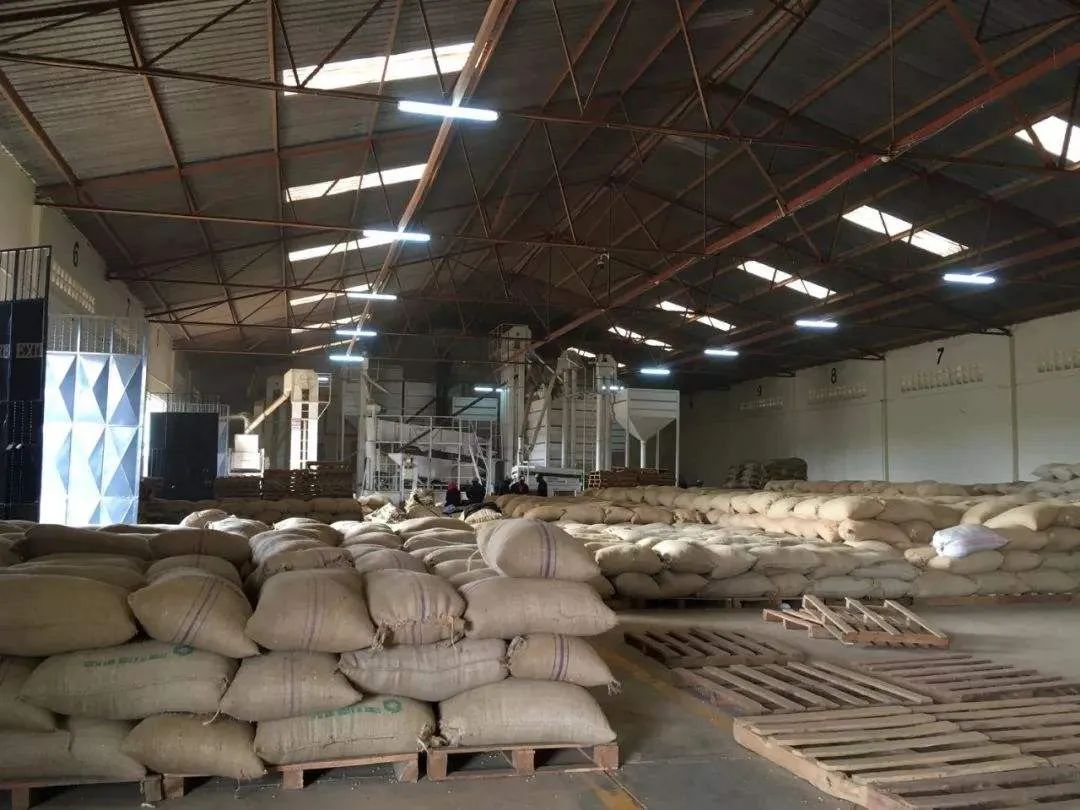
And hit by harsh weather, production declined somewhat, with coffee output reaching 51,900 tons in 2022 and only 48,700 tons in 2023, a drop of 6.2%. As production fell, exports fell along with it. The situation only improved by the 2023 annual period, though this was also because the EU issued the EUDR, and European traders, worried that African and other countries would struggle to meet the standards, increased their purchases, which also boosted Kenya's coffee exports and export earnings in recent times.
However, Kenya has recently been continuously affected by the Red Sea crisis. Although Houthi attacks on merchant ships in the Red Sea have led more vessels to reroute around southern Africa, this has increased cargo handling volumes at Kenya's Port of Mombasa and ports in Tanzania.
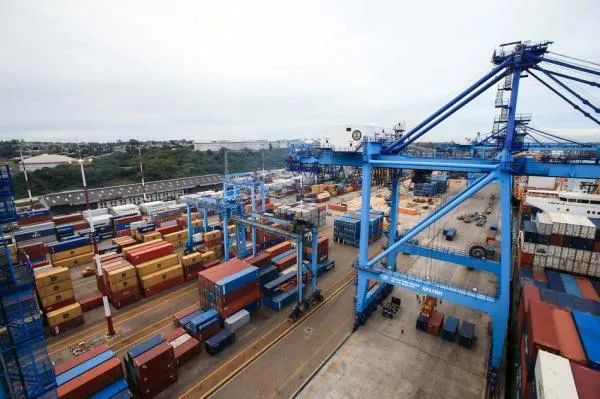
However, the port infrastructure in Kenya and Tanzania is outdated, and no corresponding facilities have been added, leading to a decline in port operating efficiency, problems such as cargo pile-ups and persistent congestion of ships at port, causing significant losses to traders and a negative impact on the competitiveness of products such as Kenyan coffee.
For Kenya's coffee industry, although coffee export volumes and revenues are currently growing, it still faces problems such as severe domestic inflation, causing costs to keep rising. If, after the EUEUDRdelay, the government and the agricultural industry cannot act quickly to meet the EU's requirements, it will cause serious damage to coffee and many other agricultural industries.
To learn more about coffee origins and news, please scan the QR code to follow: Kaping
Long-press the QR code to follow:

Related Reading





Comments (0)
Loading comments...
You May Be Interested

Trending Reviews
Popular Videos

With you, wherever you are! We provide useful features to help you find new things you'll love






