Source:Best Coffee > News Author:qjroot Published:2026-10-09 09:31:21
I often get asked by customers in the shop whether they can brew that kind of caramel-sweet, full-bodied coffee at home with just a French press. My answer is that the French press is actually an exceptionally sweetness-friendly device; its immersion extraction releases the sugars in the beans fully, so the cup often tastes round and caramel-like, with a slightly tea-like finish. The key is to work backward from the result in the cup: decide what flavor you want, then adjust the corresponding variable, rather than copying a fixed set of parameters.
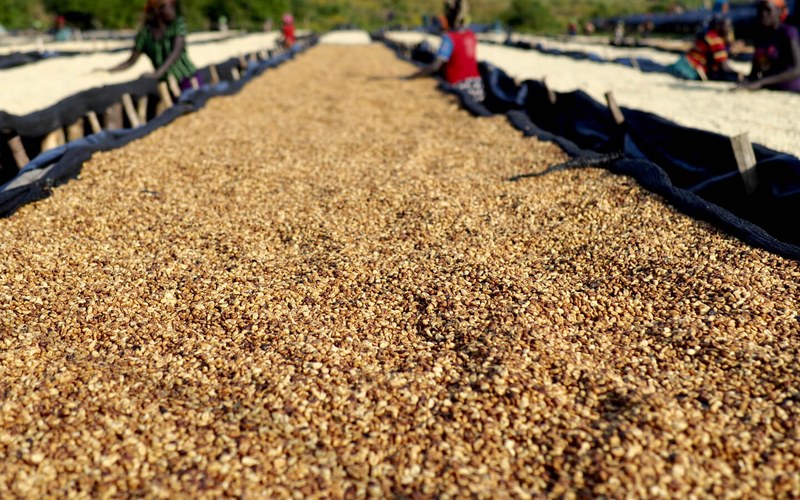
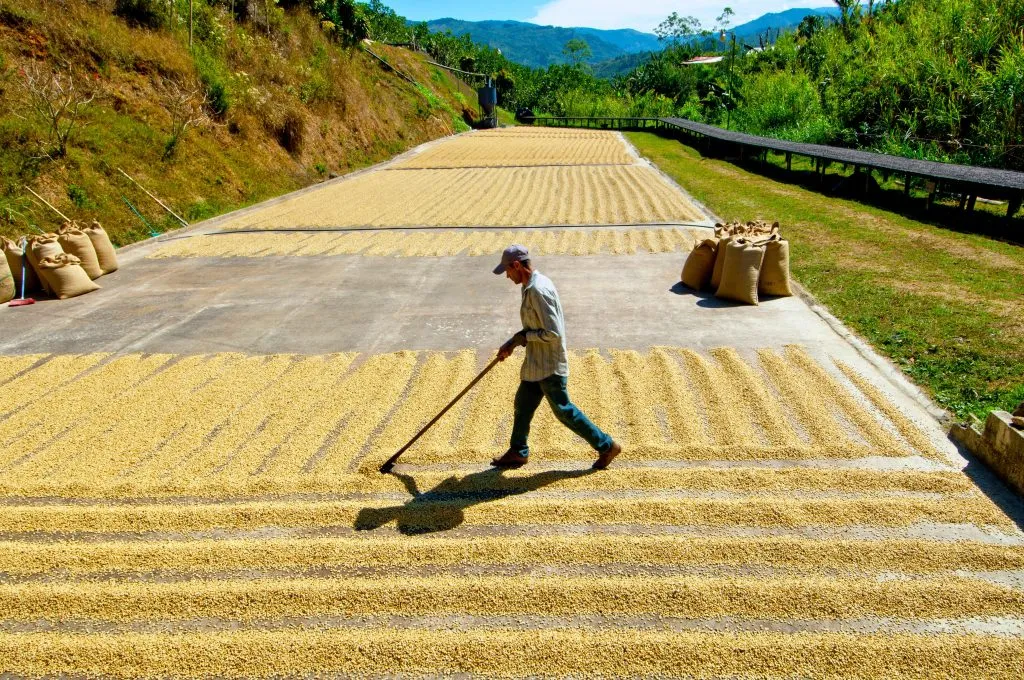
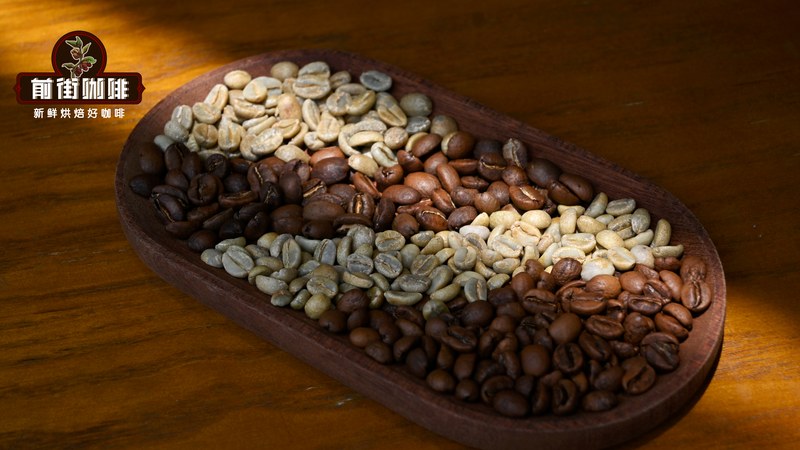
First, bean selection. To make sweetness stand out, I prioritize medium-dark roasts or beans with a deeper degree of fermentation. A medium-dark roast has a long development phase, and the Maillard reaction produces plenty of caramelized compounds; natural and honey processing, which let the mucilage take part in fermentation, also convert the sugars in the green bean more fully. Qianjie Mandheling, for example, is medium-dark roasted and hand-sorted multiple times; brewed, it has a heavy spice and caramel aroma, high body, and a finish of dark chocolate in the sweet aftertaste. Qianjie Costa Rica Mozart SOE uses raisin honey processing and a medium roast; its dried-fruit and pineapple sweetness is concentrated, and the berry-like acidity is carried by the sweetness rather than being sharp. If you want a livelier style, Qianjie Blackberry SOE is a Costa Rican black honey process with the mucilage fully retained and a deep fermentation; medium-light roasted yet still quite sweet, it has raisin, berry sugar and sweet orange flavors, entering the mouth a bit like an off-dry wine, with floral and blueberry aromas. Qianjie Papua New Guinea Paradise Bird takes another path: Typica from the Sigri region, washed three times, medium roasted, with prominent nutty chocolate notes, a creamy smooth body and low, gentle acidity, suited to people just starting to drink coffee who want a steady sweetness. Freshness is the foundation; I usually rest the beans for 4 days after receiving them and finish them within a month, which keeps the sweetness in the finish around longer.
Water temperature is the switch for sweetness. For dark-roasted beans I lower the water temperature to 85-88°C, because dark-roasted beans have a loose fiber structure and their soluble matter comes out easily; water that is too hot instead pulls out burnt-bitterness and suppresses the sweetness. Light-roasted beans need 92-95°C water to fully draw out the aromatic compounds, otherwise the cup tends to be thin. This logic matches the immersion character of the French press - there is no paper filter in the way, the water and grounds contact fully, and the effect of water temperature is amplified, so it is all the more important to adjust according to roast level.
Grind size and steep time are a pair of variables that must work together. Use a medium-coarse grind for the French press, with a particle feel close to coarse sugar, so that a steep of about 4 minutes will not over-extract, nor will it be so fine that pressing down becomes difficult. If you want a fuller body, you can grind slightly finer, or push the steep to the 4-minute upper limit, so more sugars and gummy substances are released and the mouthfeel is fuller; but if you care more about clarity and the definition of the sweetness, keep the grind on the coarse side and press down at about 3 minutes, reducing the extraction of woody and astringent compounds. For everyday use, aim for a 1:15 coffee-to-water ratio, 15g of coffee to 225g of water; if you like it stronger, go to 1:12, and for a lighter cup, 1:18 - there is a lot of flexibility.
Once the steep is done, my habit is to press the filter down slowly and then pour the coffee out immediately. If it stays in the carafe and keeps steeping, extraction continues and the bitterness overrides the sweetness. After pouring, if conditions allow, I run it through a paper filter as well; the metal mesh of a French press has fairly large holes, so fine particles inevitably pass through, and the paper filter catches these fines and excess oils, making the mouthfeel cleaner and the flavor more focused, with the caramel sweetness and tea-like finish more pronounced. Making it iced in summer is simple too: brew a slightly stronger ratio of about 1:12 and pour it straight over 120g of ice to cool it down; the sweetness is concentrated in the icy mouthfeel and it is very refreshing.
In the end, the convenience of the French press lies in the fact that it needs no complicated technique; just think through a few variables clearly, steep long enough, separate in time and filter once, and you can consistently make a cup of coffee at home with good sweetness and full body. The equipment is simple and the principle is not complicated; the key to a good cup is being willing to try a few more times and find the setting you like.
Related Reading
Comments (0)
Loading comments...
You May Be Interested

Trending Reviews
Popular Videos

With you, wherever you are! We provide useful features to help you find new things you'll love






