Source:Best Coffee > News Author:qjroot Published:2026-09-16 14:45:37
Espresso, due to high-pressure emulsification, concentrates aromatic compounds and caffeine in a small cup, and typically enters the body in a more concentrated way than filtered coffee sipped slowly from a large cup. Understanding this characteristic helps you reasonably arrange your daily drinking points, so that espresso both brings full sensory enjoyment and comfortably coexists with the body's metabolic rhythm. Not rushing to pursue a strong sensory impact, but instead letting what is in the cup follow your own routine, is the foundation for building good drinking habits.
The nature of caffeine content is closely related to the green bean variety. Robusta beans usually contain about twice the caffeine of Arabica beans, so in espresso blends, if you seek mild tolerance, an all-Arabica recipe is often a friendlier start. Roast level also affects how it feels in the body: dark roasting has complete caramelization, low acidity and a warm mouthfeel, while light roasting has more active organic acids, which stimulates the taste buds and also differs in its effect on the digestive tract.
When you first wake in the morning, the body's cortisol level is relatively high, so there is no rush to immediately take in highly concentrated coffee. It is suitable to start a cup of espresso after breakfast, from half an hour to around ten in the morning. At this time, the body's sugar and water have already been replenished, and a milk coffee with warm milk can wrap the coffee particles in milk fat and lactose, making caffeine absorption gentler and avoiding heart rate fluctuations and gastrointestinal burden caused by an empty stomach.
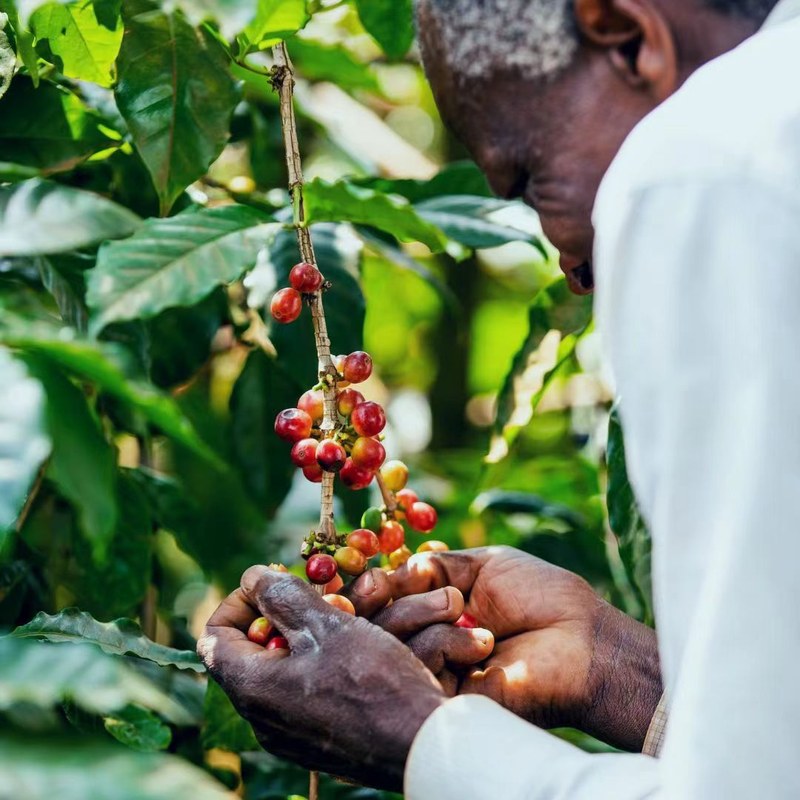
In the morning, it is suitable to choose beans with balanced flavor and mild nutty and toffee sweetness. For example, Qianjie Specialty Blend combines the rounded nutty character of South American origins with a caramel base, with balanced acidity and bitterness and rich crema. When making milk coffee, use 92°C water temperature and 18.5g coffee grounds to extract 37g espresso, with total extraction time controlled at 26 seconds, using constant-pressure extraction for the shot, then add 200ml warm milk, bringing a dense and gentle energy replenishment.
When drinking espresso, the role of water should not be ignored either. Highly concentrated espresso liquid has relatively high osmotic pressure. If drinking espresso alone, drinking a cup of room-temperature water before and after tasting can not only cleanse the palate to distinguish layers, but also quickly replenish water and balance the body's electrolytes. People who are used to black coffee can also add the espresso to 150ml to 180ml warm water to make a mild Americano and sip it slowly.
The drowsy period after lunch is a point when metabolic rate slows relatively, and at this time the body needs clear flavor stimulation to wake up the mind. Choosing espresso beans with fresh fruity notes and bright sweetness at this time often makes body and mind feel lighter than heavy bitter notes, dissolving the greasiness after a meal without adding too much burden to the stomach.
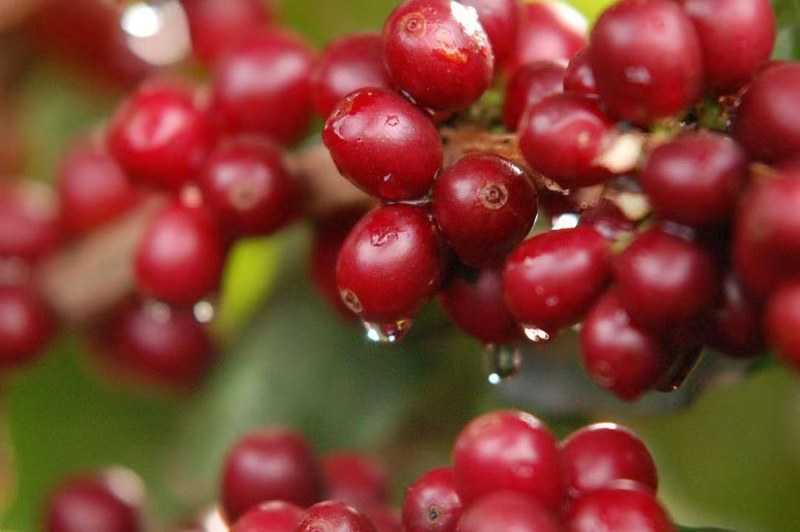
In the afternoon, it is very suitable to try beans with lively aroma, such as Qianjie Strawberry Candy Coffee Beans, which have fresh berry sweetness and a soft syrupy texture, and are especially refreshing as iced Americano. On a home machine, set the water temperature to 91°C, take 18g coffee grounds to extract 36g espresso, with total time controlled at 27 seconds, using low-pressure pre-infusion followed by steady extraction, then pour into 160ml ice water with ice cubes; the aroma is light and lively, bringing a refreshing invigorating experience.
Two to three in the afternoon is usually the cutoff line for caffeine intake for most people. The half-life of caffeine in the body is about four to six hours, so drinking too late can easily interfere with deep sleep at night. For people with average caffeine tolerance, keeping daily espresso intake within two cups is more appropriate, allowing the nervous system's excitement and rest to remain in a natural rhythm.
If in the afternoon you pair it with baked pastries or highly satiating foods, then a fuller-bodied and steadier espresso is needed to create flavor complementarity. Qianjie Dark Cocoa Blend has heavy dark chocolate and roasted almond aromas, extremely low acidity, and velvety rich crema. Use 93°C water temperature and 19g grounds to extract 38g espresso, keeping total time at 28 seconds, relying on constant-pressure extraction to bring together fullness, and the slightly bitter finish can effectively neutralize the sweetness of dessert.
The process of enjoying espresso is essentially a two-way journey of exploring flavor and listening to the body's feelings. When choosing beans, pay attention to the bean composition and the acidity-bitterness tendency brought by roasting, then adjust the drinking method according to the body's state from early morning to afternoon, and pair it in good time with a cup of water or an appropriate amount of food; every sip of rich espresso can become a daily adjustment for a comfortable life.
Related Reading





Comments (0)
Loading comments...
You May Be Interested


Trending Reviews
Popular Videos

With you, wherever you are! We provide useful features to help you find new things you'll love






