Source:Best Coffee > News Author:qjroot Published:2022-01-11 17:47:23
Brazil suffered from drought and frost, leading to a sharp drop in coffee production. The market is also pessimistic about Brazil’s situation, as reflected in the price of Arabica coffee futures. Brazil’s coffee bean exports declined in the previous year, attributed to factors such as reduced production and tight transportation.
In contrast, origins in Africa and Central America have benefited from Brazil’s adverse weather, with strong sales and export performance. Honduras’ coffee exports in December 2021 alone nearly doubled.
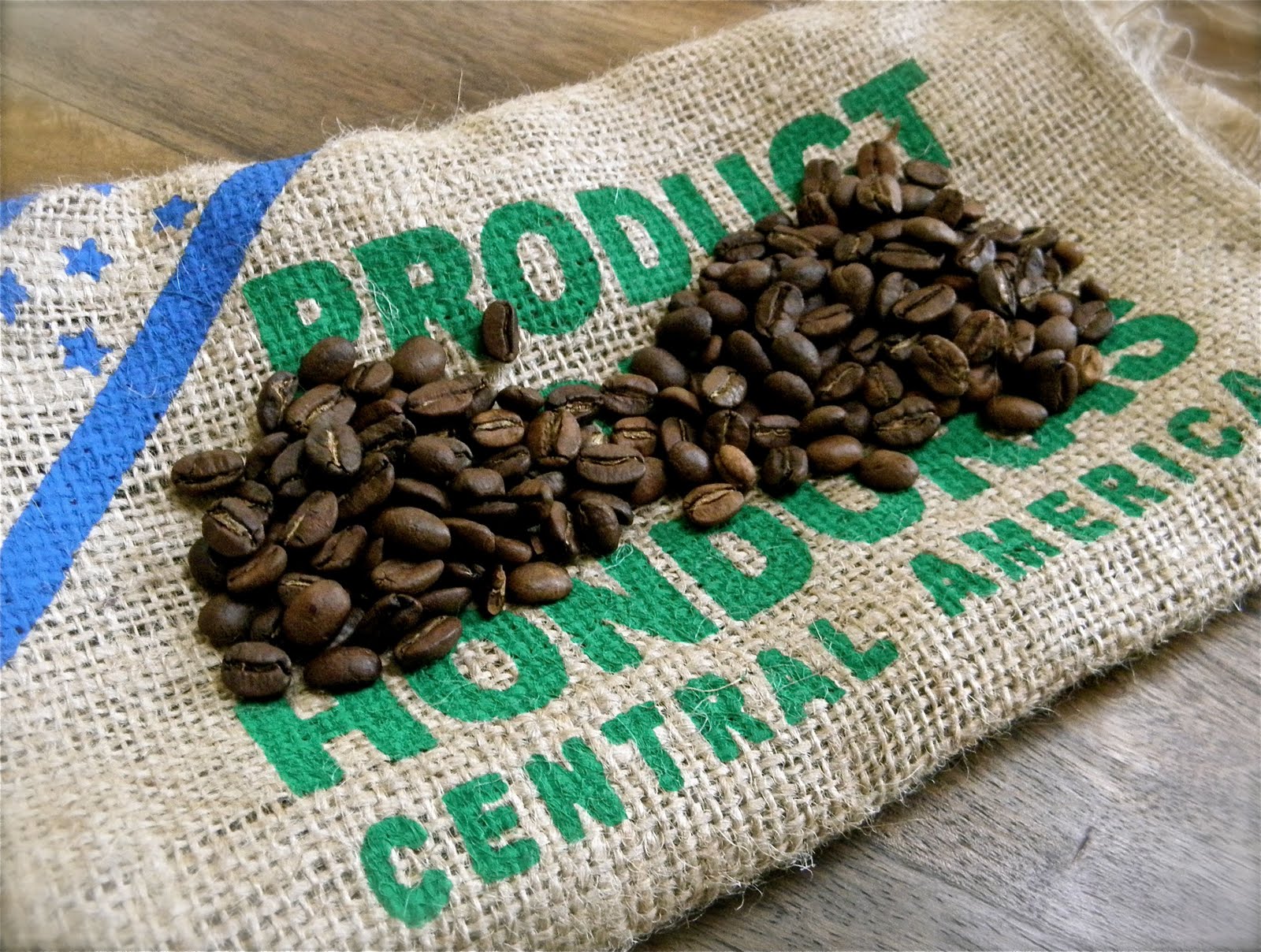
According to Reuters on January 3, 2022, Honduras’ coffee exports in the previous year nearly doubled compared to previous years, with 386,806 bags (60 kg/bag) exported. Miguel Pon, leader of Honduras’ Export Association, stated that December’s coffee shipments increased by 91.1% due to shortages in bean supply from the previous season and tight market demand.
The rise in coffee futures prices and the surge in shipments allowed Honduran coffee farmers to earn substantial profits in an unstable environment. Yet, these were not enough to keep them fully committed to staying on the land they once called home.
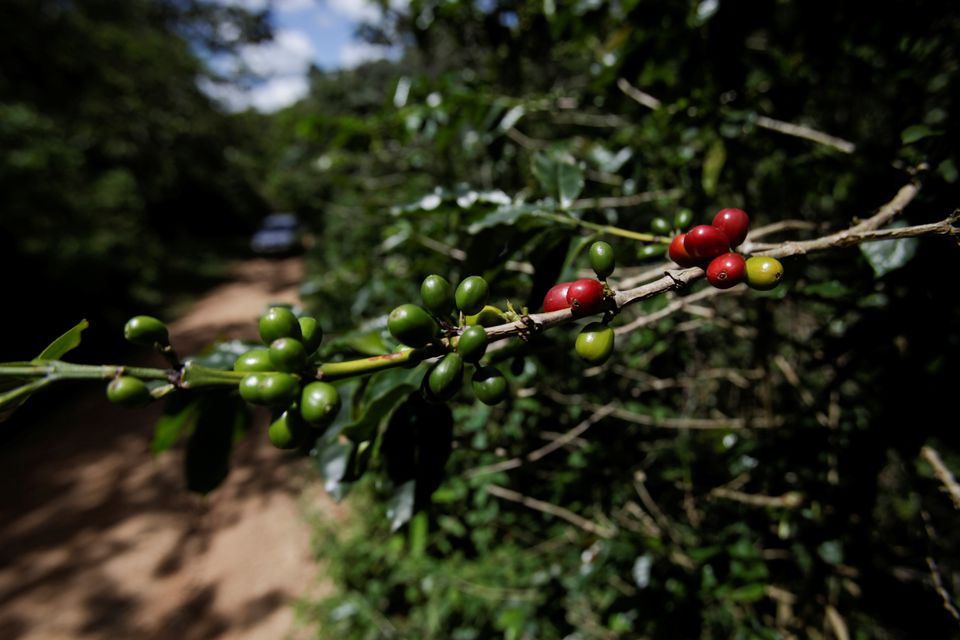
Central America is also a region known for producing high-quality specialty Arabica coffee beans. However, since the pandemic, coupled with extreme climate events and severe inflation, many Central American coffee farmers have struggled to cover basic living expenses. As a result, many impoverished people in the region, along with their families, have left their homes and embarked on a “northbound” journey, hoping to cross the U.S.-Mexico border to pursue an ideal life of “freedom and prosperity.”
According to data from the Central American Integration System (SICA), an intergovernmental organization, some regions in Central America experience regular migration waves due to fluctuations in coffee prices, with about 10% of the region’s population relying on the coffee industry for their livelihood. Reuters interviews with Central American coffee farmers and multiple coffee industry organizations in December 2021 revealed that the coffee industry in Central America has been particularly hard-hit. Over the past few years, Brazil’s market share has continued to expand, while coffee prices for Central American countries in the international market have fallen, resulting in losses and accumulating debts for growers.
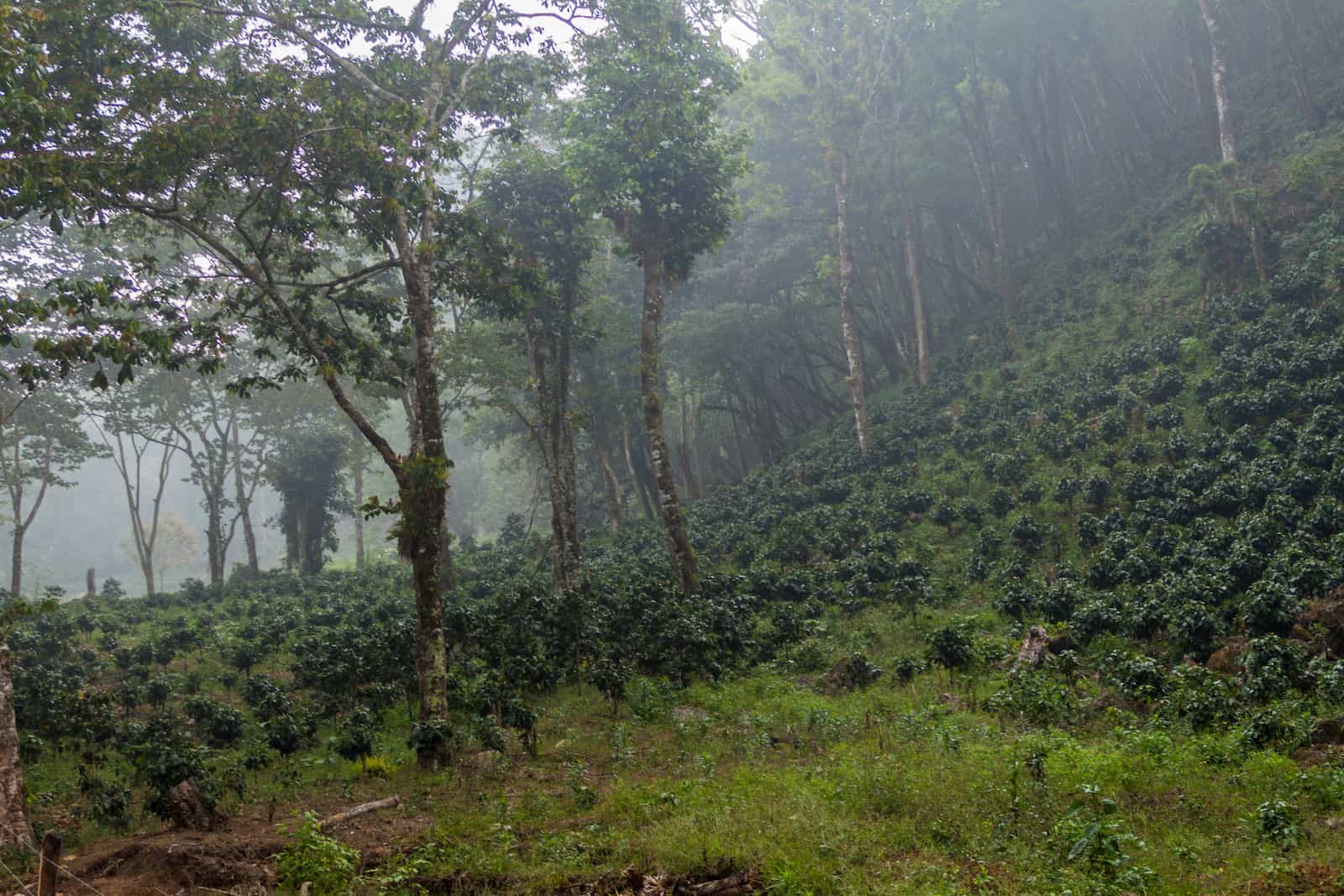
In 2020, two tornadoes struck, leaving hundreds of thousands homeless and reigniting the dreaded coffee leaf rust disease, leading to reduced production and compromised quality.
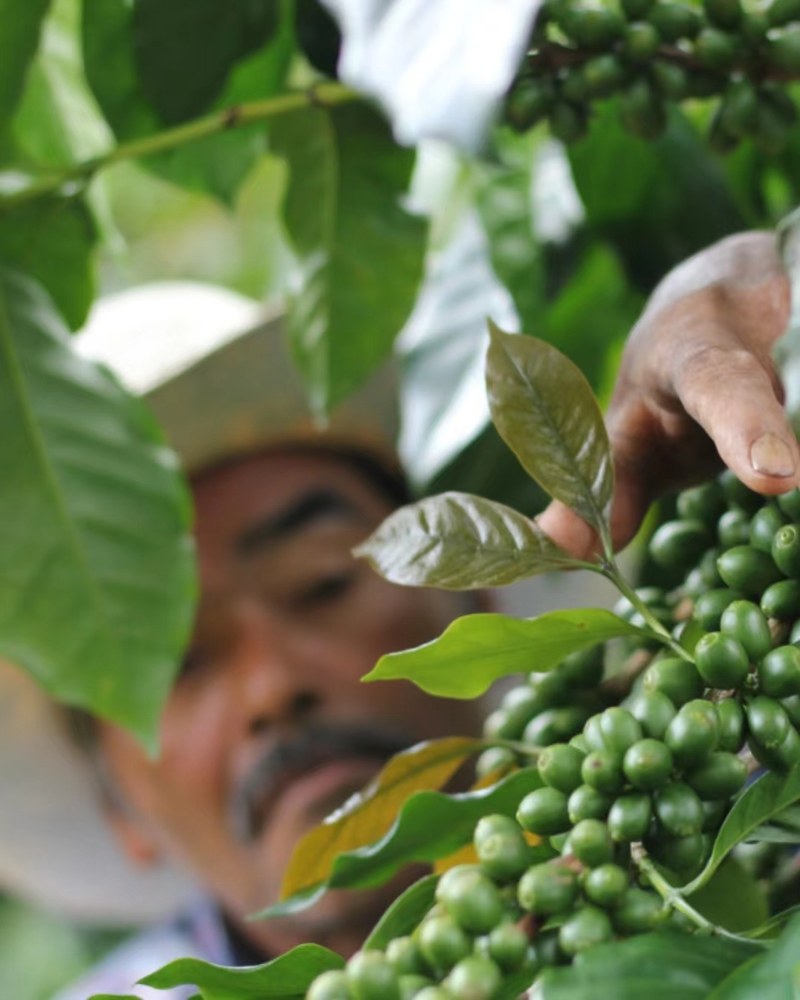
Coffee harvesting in Central America is generally done manually, and the current migration wave has further exacerbated the shortage of labor in these regions.
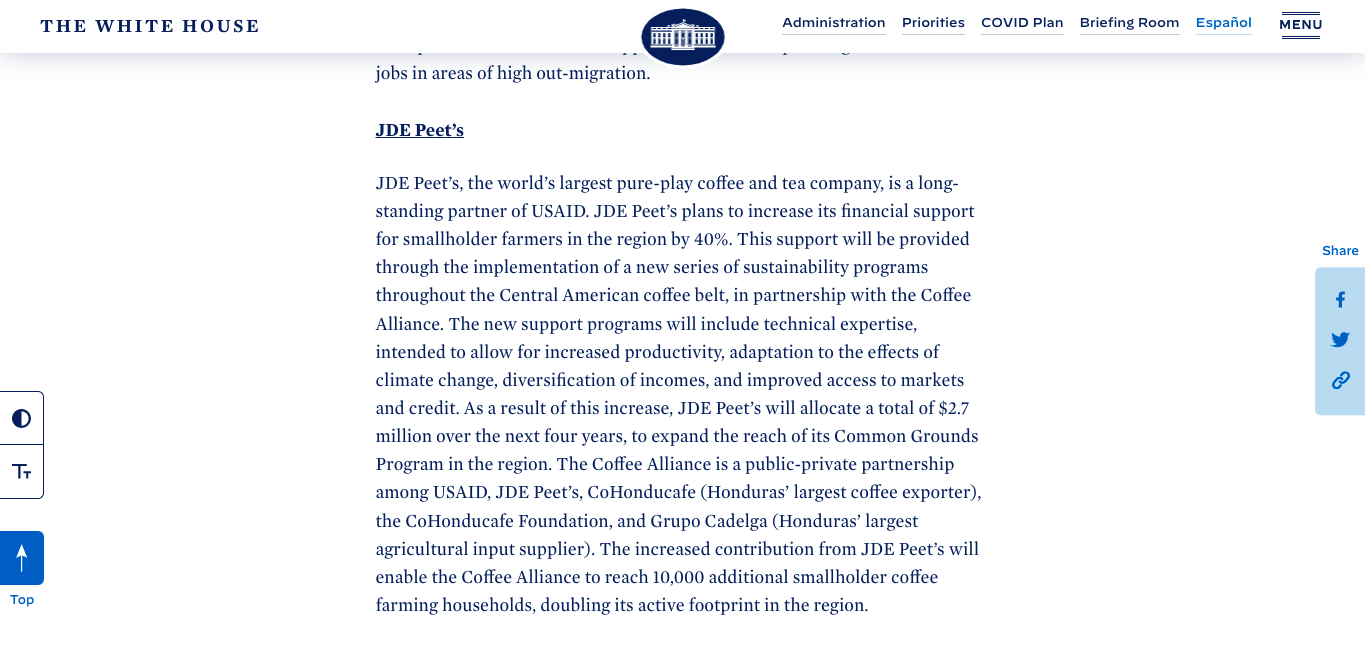
To curb the migration wave, the United States has implemented policies requiring some international coffee brands to fund impoverished coffee farmers, aiming to prevent them from “heading north” and instead encouraging them to stay put. Even so, many farmers still see “heading north” as their only means of survival.
La Niña, now in its second consecutive year, is having a negative impact on the upcoming coffee season. Coupled with the “migration wave,” a large number of illegal immigrants have been detained, leading to a labor shortage in production areas and rising coffee farming costs. The coffee industry in Central America is a mix of good and bad—while rising exports are positive, increasing costs and the migration situation are equally concerning.
Related Reading







Comments (0)
Loading comments...
You May Be Interested





Trending Reviews
Popular Videos

With you, wherever you are! We provide useful features to help you find new things you'll love






