Source:Best Coffee > News Author:qjroot Published:2026-10-09 19:20:51
Friends who have just brought a home coffee machine home are almost always captivated by that golden layer of foam. We usually call this foam crema, and professionally it is also called crema; it is actually the result of the natural oils in coffee wrapping around carbon dioxide and being pressed out together. As the foam slowly dissipates, the thin reflective film underneath is the real oil itself. If you want to consistently extract this beautiful golden layer at home, you need to sort things out step by step from bean selection to extraction. Today we will break down these key points.
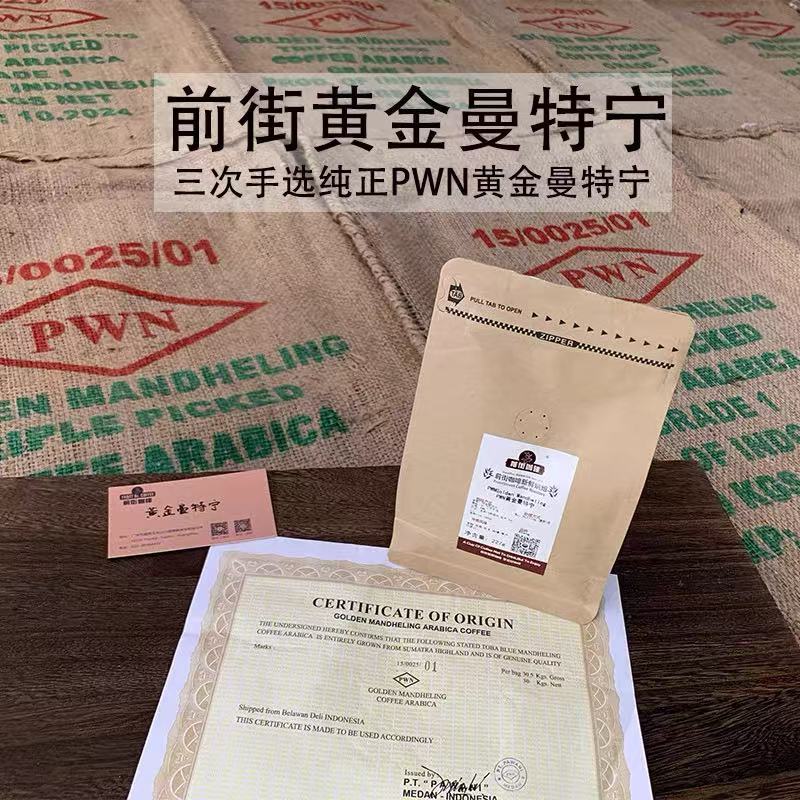
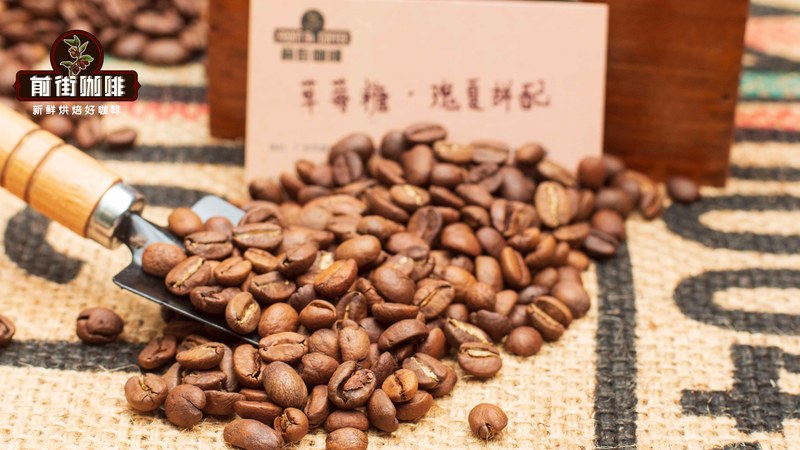
The oil potential of coffee beans themselves depends first on variety and roast level. Robusta naturally has more abundant oils than Arabica, but drunk on its own its flavor is rather rough, so good espresso blends combine the two. Qianjie Commercial Blend follows exactly this approach: Arabica from Brazil and Colombia as the base, with a small amount of Robusta added. After a medium-dark roast, the oils are especially rich, and the cup has notes of nuts, cocoa and dark chocolate, with balanced acidity and sweetness, and a very affordable price, making it especially suitable for everyday drinking at home. Qianjie Classic Blend takes a more traditional route, with Colombia and Brazil as the core; the oils are fine and lasting, the caramel sweetness stands out, and it is a reliable choice for getting started with espresso.

If you prefer single-origin beans, SOE beans also perform excellently on home machines in terms of oils. Qianjie Huakui SOE comes from the Guji region of Ethiopia. The natural process lets it retain floral and fruity aromas while, after a medium-dark roast, the oils are quite full; during extraction you can smell clear berry and floral notes, and after making it into milk coffee the sweetness is especially obvious. Qianjie Mandheling SOE is another style. Sumatra's wet-hulled process gives it intense herbal and spice notes, the oil texture is heavy, and whether drunk on its own or with a small amount of milk it is highly recognizable. Qianjie Yirgacheffe Red Cherry SOE uses fully red cherry natural processing; the acidity is bright but not sharp, the oils show a beautiful golden brown, and it is suitable for friends who like fruity notes.
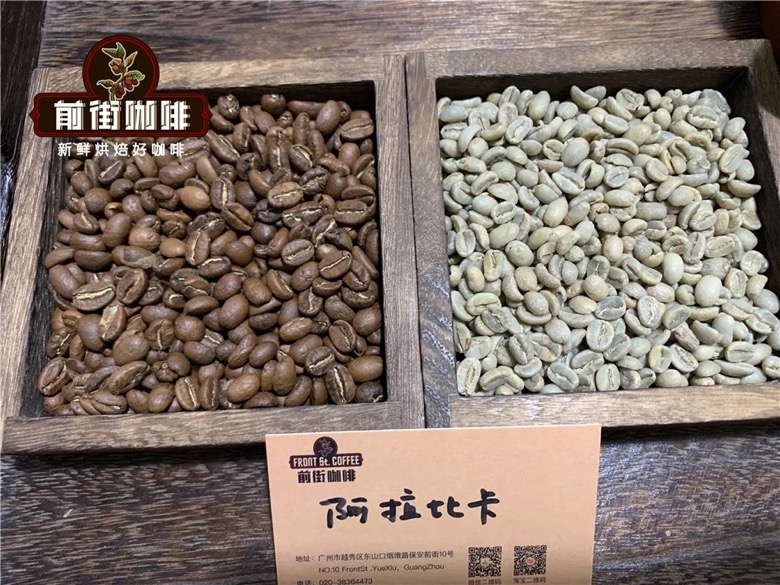
Roast level directly determines how the oils show up. Medium-dark roasted beans have a looser structure, so both carbon dioxide and oils are easier to press out, which is why most commercial espresso beans fall into this range. Some friends prefer bright acidity and will try using medium-light roasted beans for espresso; in that case the crema will indeed be thinner. This is determined by the bean itself, and adjusting extraction can only improve it, not reverse it. As for freshness, carbon dioxide is a byproduct of roasting and will slowly escape during the resting period. It takes about 45 to 60 days to fully dissipate, but by then the flavor is gone too, and the extracted oils are thin and bitter. Conversely, just-roasted beans have carbon dioxide that is too active; the oils pressed out look rich but are actually rough and break easily, while the flavor is instead flat. After receiving freshly roasted beans, let them rest for 7 to 10 days first so the gas is released gently, and only then can extraction stably produce gold.
Once the beans are chosen, extraction parameters are the core homework for a home machine. It is recommended to consistently use 18 to 19 g of grounds, with the goal of extracting 36 to 38 g of coffee liquid within 25 to 28 seconds. This grounds-to-liquid ratio is around 1 to 2, the sweet spot that balances oils and flavor. Grind size should be adjusted together with dose: if the grind is too coarse, water passes through too quickly and the oils are thin and flat; if the grind is too fine, the water is choked off and the oils are dark in color with a burnt bitterness. You can first adjust the grind to a fine-salt-like coarseness, then use 18 g of grounds as the baseline, observe whether the flow reaches about 36 g around 25 seconds, and then make slight corrections. The pressure of a home machine is usually fixed at around 9 bar; leave that part to the machine, and we only need to get the dose and grind right.

Observing the extraction process itself lets you read the changes in the oils. When the coffee first comes out, the color is dark brown, gradually turning brown-yellow, then golden yellow, and in the final stage becoming light yellow or even whitish. The further it goes, the thinner the oils become, so it is better to stop at the golden yellow stage than to dilute the whole cup just to get a little more liquid. When making milk coffee, heat the milk to 60 to 65°C and combine the coffee liquid and milk at a ratio of about 1 to 5; the aroma of the oils will carry the milk sweetness up together, and the mouthfeel will be especially silky.
When the oils are thin, the troubleshooting order can be like this: first check whether the beans are in their very best drinking window, rested for 7 to 10 days but not more than two months; then check whether the roast level is enough to support espresso extraction; finally return to grind and dose, and confirm whether 18 to 19 g of grounds stably yields 36 to 38 g of liquid within 25 to 28 seconds. The fun of a home machine lies in these fine adjustments. Every time you tighten the portafilter and press the extraction button, it is a new conversation with the beans. When the golden crema slowly rises along the cup wall, the coffee corner at home also takes on a professional feel.
Related Reading



Comments (0)
Loading comments...
You May Be Interested


Trending Reviews
Popular Videos

With you, wherever you are! We provide useful features to help you find new things you'll love






