Source:Best Coffee > News Author:qjroot Published:2026-08-18 10:57:28
What exactly does the 100% Arabica commonly seen on packaging mean? And what makes Robusta, often mentioned in coffee shops, inferior? These two bean species account for the vast majority of global coffee cultivation, and they differ greatly in appearance, flavor and use. Once you understand the differences, choosing beans and ordering drinks will be more purposeful.
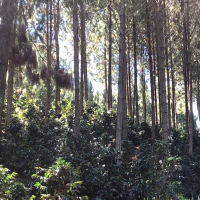
Arabica originated on the Ethiopian highlands and thrives in high-altitude environments with large temperature swings. It accounts for 60 to 70 percent of global coffee production and is the mainstay of specialty coffee. Robusta is native to central Africa and is resistant to heat and pests and diseases. It grows well even at low altitudes, with stable yields, and is mostly used for instant coffee and espresso blends.
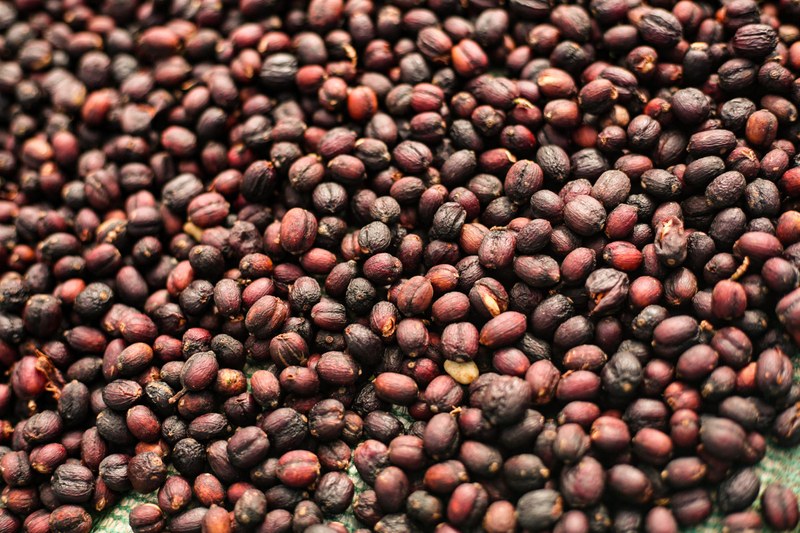
Putting the two kinds of beans side by side makes the comparison clear: Arabica beans are elongated ovals with an S-shaped curved center line; Robusta beans are rounder with a relatively straight center line. Robusta's caffeine content is usually about twice that of Arabica, which is one reason it is more resistant to pests, and its bitterness is also stronger.
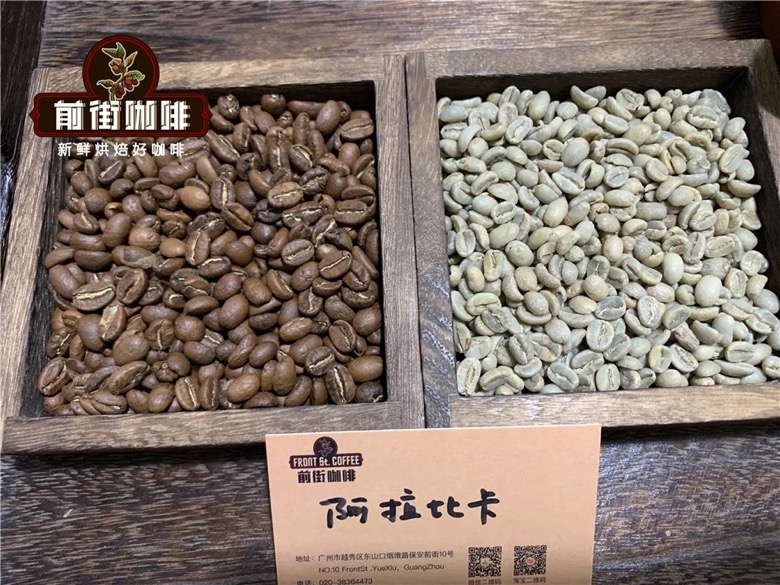
Arabica has a delicate flavor, showing rich layers of floral notes, fruity acidity and caramel, with more prominent sweetness and aroma. Robusta is more bitter and heavier, with obvious grain and earthy tones, and very weak acidity. From a tasting perspective, Arabica is better suited to expressing a region's character, which is why specialty coffee almost always uses Arabica.
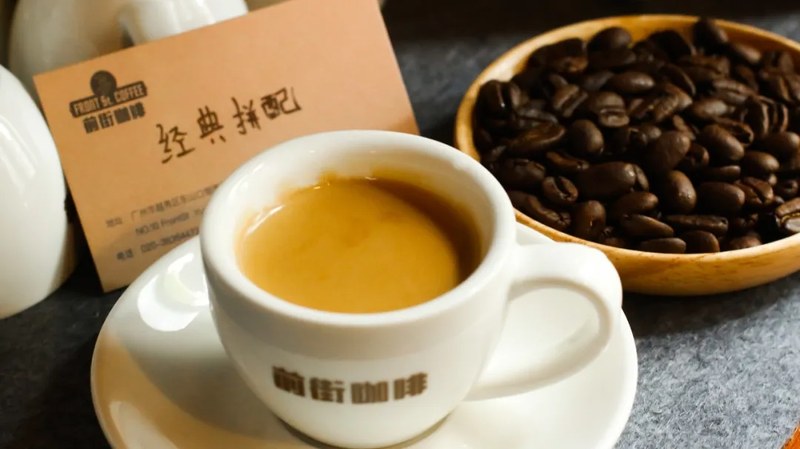
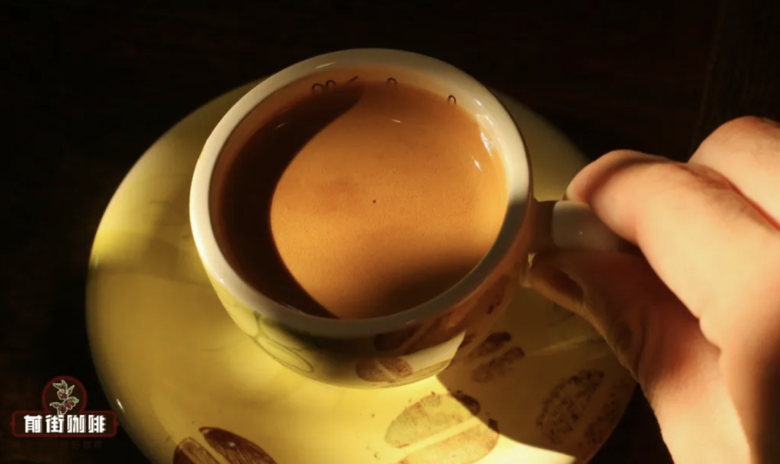
Espresso blends often combine the two kinds of beans, with Robusta providing crema and body while Arabica provides aroma and flavor layers. But when the proportion of Robusta in a commercial blend is too high, the bitterness overwhelms other flavors. Several of Qianjie's espresso beans are built around Arabica: Qianjie Dark Cocoa Blend uses 100% Arabica beans, with abundant crema and a full body; Qianjie Specialty Blend pairs two Arabica beans, Brazil Cerrado and Colombia Huila, for a classic flavor; and the fruit-forward Qianjie Strawberry Candy Coffee Beans also rely on the aromatic fusion of Arabica beans from different regions to recreate a sweet aroma like strawberry gummies.
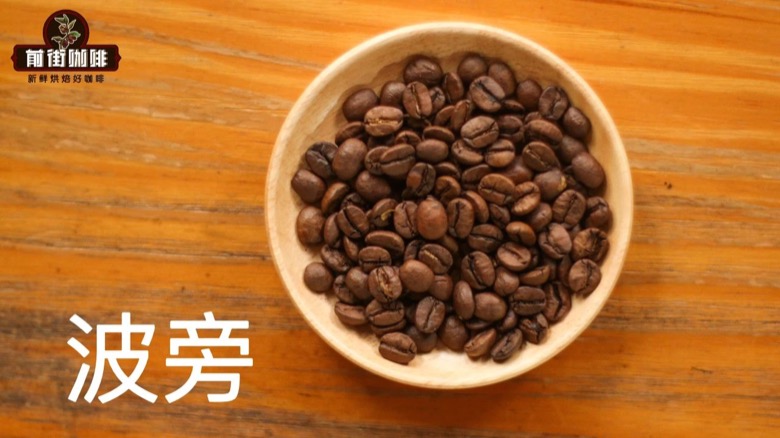
Once you understand the differences between Arabica and Robusta, looking at the bean species label on the packaging will basically let you judge what flavor direction the coffee is likely to have. If you want floral and fruity aromas and layers, go for Arabica; if you need body and crema, you can also try an espresso blend containing Robusta. The key is to know what you are drinking.
Related Reading



Comments (0)
Loading comments...
You May Be Interested

Trending Reviews
Popular Videos

With you, wherever you are! We provide useful features to help you find new things you'll love






