Source:Best Coffee > News Author:qjroot Published:2026-09-24 12:56:14
When many friends look for coffee, they always mention one wish: they want a cup of smooth coffee that is neither sour nor bitter. This gentle, comfortable experience is usually called balance among coffee connoisseurs. Too light a roast often has pronounced fruit acidity, while too dark a roast easily carries the heavy bitterness of caramel, whereas a medium roast stands right at the golden ratio point, with sweetness, acidity and bitterness complementing one another, making it especially friendly and pleasant to drink.
But if you really want to drink something smooth, choosing the right beans alone is not enough. Extraction yield and strength are the real forces behind the scenes. We can think of strength as how concentrated or dilute sugar water is; it determines the heaviness felt on the tongue. Extraction yield, meanwhile, is how much material has been dissolved out of the coffee grounds. If a cup of coffee tastes thin and bland, it is most likely because the strength is too low; if the back of the tongue feels tight and astringent, then it is over-extraction pulling out impurities as well.
Once you understand this principle, fine-tuning the parameters becomes very simple. Grind size is like the openings of a sieve. If it is ground too fine or the water temperature is too high, the extraction speed will soar, easily forcing out the off-flavors and burnt bitterness of the final phase; if it is ground too coarse or the water temperature is too low, the substances will not be extracted enough, and it will taste rather sour and weak. To adjust a bag of beans to a smooth state, you only need to let grind size and water temperature meet in a gentle range.
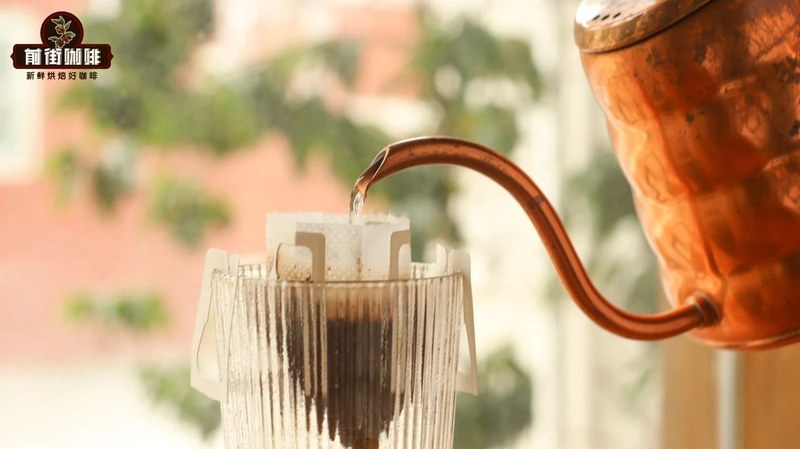
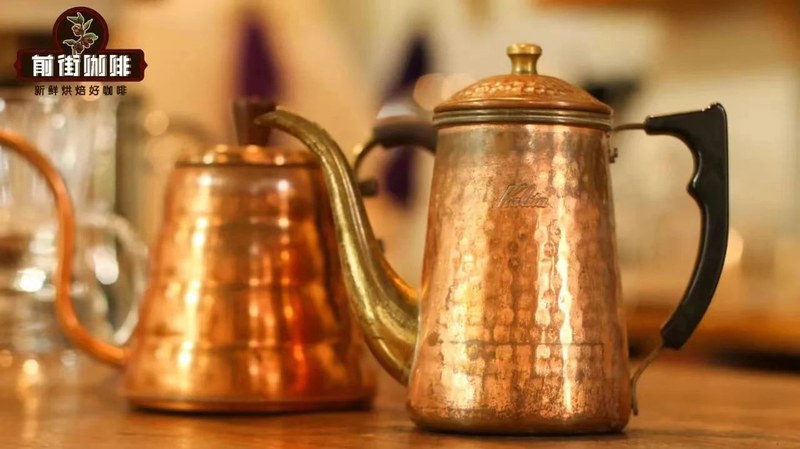
In practical pour-over brewing, we can use a standard method to find the baseline flavor. Weigh out 15g of coffee grounds, use a 1:15 coffee-to-water ratio, and prepare 225ml of water. First pour in 30ml of water for a full 30-second bloom to awaken the coffee's aroma, then pour in stages, controlling the total time to around 2 minutes, usually finishing between 1 minute 50 seconds and 2 minutes 20 seconds. The flavor brewed this way is both full and especially smooth.
Besides fine-tuning the method, when choosing beans you should also consider whether the bean's own character suits being brewed strong or light. Some beans have complex, delicate flavor layers, and brewing them a little lighter actually makes them sweeter and clearer; while some beans have a mellow, solid body and are suited to being brewed a little stronger to taste the nutty aroma. If you normally prefer a soft, balanced taste, the following representative medium-roast beans are reassuring choices for home brewing.
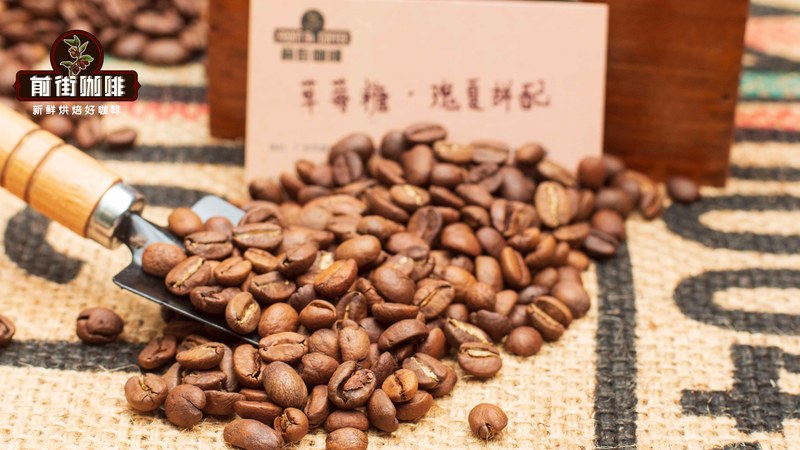
If you want a daily drinker you can gulp down cup after cup, Qianjie 2013 Yunnan small-bean coffee is very worth keeping on hand. As a representative of domestic specialty coffee, after medium roasting it has no sharp, harsh fruit acidity at all, nor any of the mixed bitterness of a dark roast. On the palate there is an extremely warm brown sugar sweetness and cocoa aroma, with a soft mandarin sweetness in the mid-to-finish, a clean and smooth mouthfeel, and a surprisingly good value.
If you especially love the sweetness of nuts and cream, Qianjie Brazil Queen Estate coffee will be your favorite. This Yellow Bourbon variety grown at high altitude highlights a rich nutty chocolate aroma on a balanced base. After medium roasting, it carries a sugarcane-like clear sweet aftertaste and a smooth milky sweetness, with weak, gentle acidity. Even brewed a little stronger it will not turn bitter, and the mouth is full of pleasant caramel sweetness.

If you want a fuller texture that takes things up a notch, you can try Qianjie Bird of Paradise coffee. It was introduced from the famous Blue Mountain variety, its quality is quite solid, and it has the reputation of a little Blue Mountain. Under Qianjie's careful roasting, it perfectly interprets the charm of balance, with cocoa and nut aromas rushing toward you, accompanied by a faint mulberry sweet-and-sour note in the finish. It has both body and cleanliness, and whether brewed strong or light it shows a gentle, commanding presence.
The wonderful thing about brewing coffee is personally controlling the interaction between every gram of water and every grind. Choose a bag of warm, balanced medium-roast beans, extract with stable parameters, and watch the flavor slowly unfold in the cup. When temperature, coarseness and water flow work in harmony, that cup of good coffee, neither burnt nor astringent, smooth and warming, will naturally, in the early morning or afternoon, quietly keep pace with your life.
Related Reading



Comments (0)
Loading comments...
You May Be Interested




Trending Reviews
Popular Videos

With you, wherever you are! We provide useful features to help you find new things you'll love






