Source:Best Coffee > News Author:qjroot Published:2026-10-09 18:33:07
I often encounter customers like this in the shop: they pick up a cup of espresso, take a sip, and frown, saying "why is this coffee sour?" In fact, acidity is an entirely normal flavor in coffee, and it comes from a combination of origin, variety, processing method, and roast level. Arabica beans from high-altitude regions, especially washed beans from Africa and Central America, naturally have more pronounced citric and malic acidity; sun-dried processing ferments more lively acidity; and the lighter the roast, the more acidity is retained, while going darker means the caramelization reaction is more complete and the flavor shifts toward chocolate, nuts, and caramel. Espresso is a high-concentration extraction, so both acidity and bitterness are amplified, which makes bean selection especially critical for people who dislike acidity.
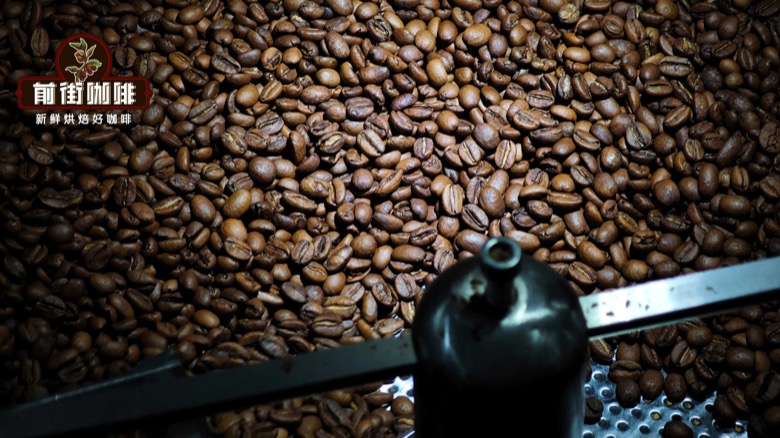
To avoid acidity, I would suggest treating roast level and recipe as the first filter. A medium-dark roasted espresso recipe has little oil on the bean surface but full internal development, and the extracted espresso is dominated by body and sweetness. If the recipe contains a small amount of Robusta, not only is the crema performance better, but acidity is further reduced, because Robusta's acidity is inherently much lower than Arabica's, while it also adds body. Qianjie Commercial Blend follows exactly this approach: Colombian and Brazilian Arabica as the base, with a small amount of Robusta added, and after medium-dark roasting it presents notes of nuts, cocoa, and caramel, with rich, fluid crema, a low-acid, full-bodied taste, and it is very suitable as a daily staple. Qianjie Dark Cocoa Blend takes the all-Arabica route, pairing Yunnan washed small beans with Brazilian semi-washed beans; medium-dark roasting brings flavors of creamy chocolate, cocoa cookies, and ripe plum, with a balanced taste and golden shimmering crema, and if you want to try a blend without Robusta, this is a good place to start.
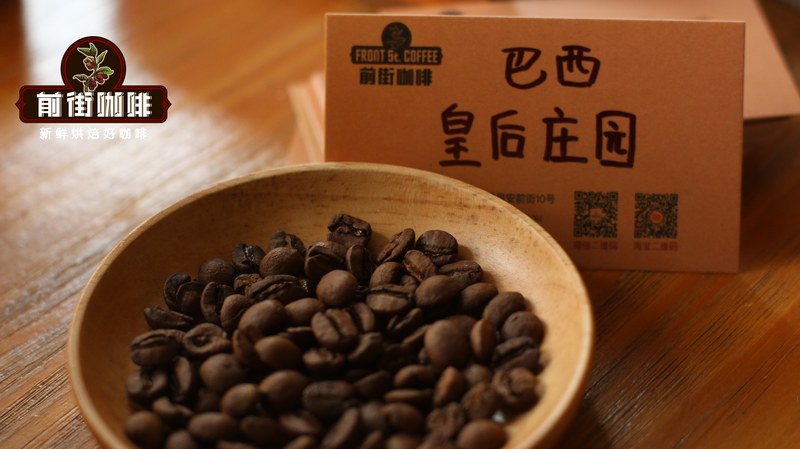
Besides blends, SOE is also a direction worth noting. Single-origin espresso can amplify the character of a certain origin, and as long as you choose the right roast level and origin, it can likewise achieve low acidity and full body. Qianjie Golden Mandheling SOE comes from the Mandheling region of Indonesia, medium-dark roasted, and after multiple rounds of hand sorting for even particle size, it extracts with notes of spices, herbs, and sandalwood, a finish of dark chocolate, and a very full body. Qianjie Queen's Estate SOE uses high-altitude Brazilian Yellow Bourbon, and after medium-dark roasting it presents aromas of creamy peanut, nuts, and chocolate, with a sweet aftertaste, beautiful crema, and when made into milk coffee it is full of aroma and very low in acidity. These two SOEs show that single origin does not necessarily mean acidity; the key still lies in roast level and variety characteristics.
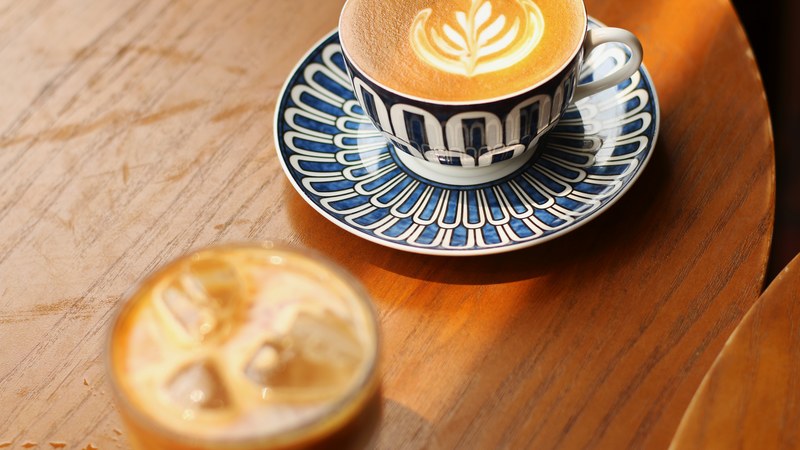
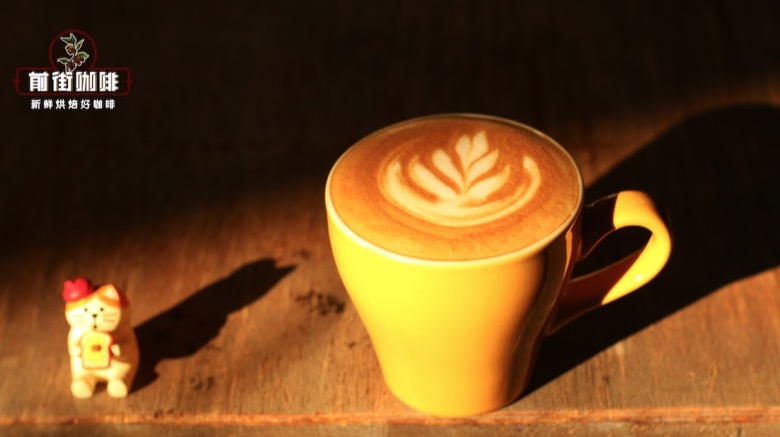
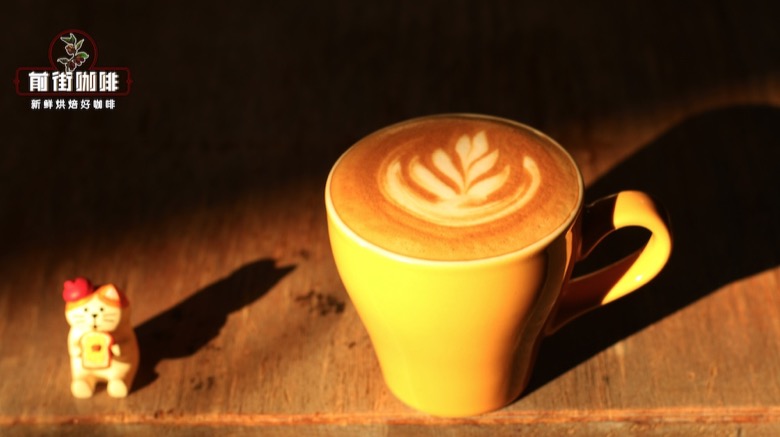
Speaking of milk coffee, this is another practical path to reducing the perception of acidity. The protein and fat in milk can wrap around the acidity, letting the taste buds perceive sweetness and smoothness first. With a coffee-to-milk ratio of about 1:5, milk steamed to 55 to 60°C retains the sweetness of lactose while not producing a cooked taste from overheating. When Qianjie Queen's Estate SOE is made into a latte, the aromas of creamy peanut and chocolate blend especially well with the milk, making it very friendly to people who are not used to drinking black coffee. A cappuccino has thicker milk foam and a denser mouthfeel, which can further soften the acidity.
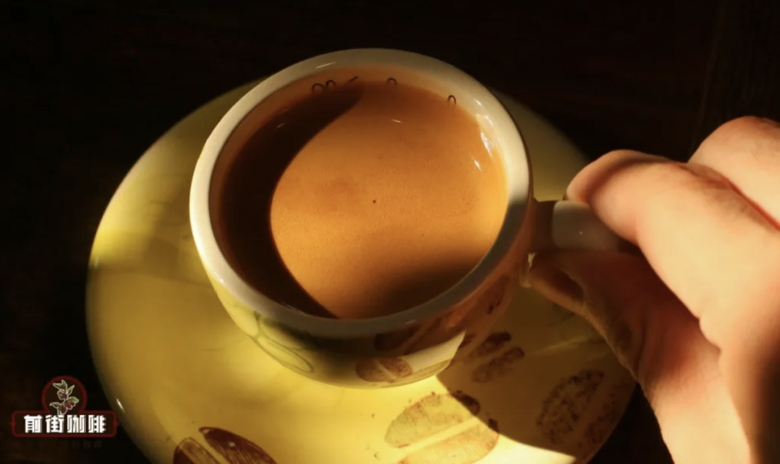
For extraction parameters, with medium-dark roasted espresso beans I use 19 to 20g of grounds, extract 38 to 40g of coffee liquid, control the time to 25 to 30 seconds, and the crema thickness is about 3mm. This range can balance sweetness and body fairly well, without leaving sharp acidity from under-extraction or bringing out burnt bitterness from over-extraction. If it still tastes clearly sour, you can first grind finer, or extend the extraction time by 2 to 3 seconds, so that more cocoa and caramel substances come out in the later stage. Every grinder and coffee machine has a different character, and the parameters need fine-tuning, but the general direction is stable.
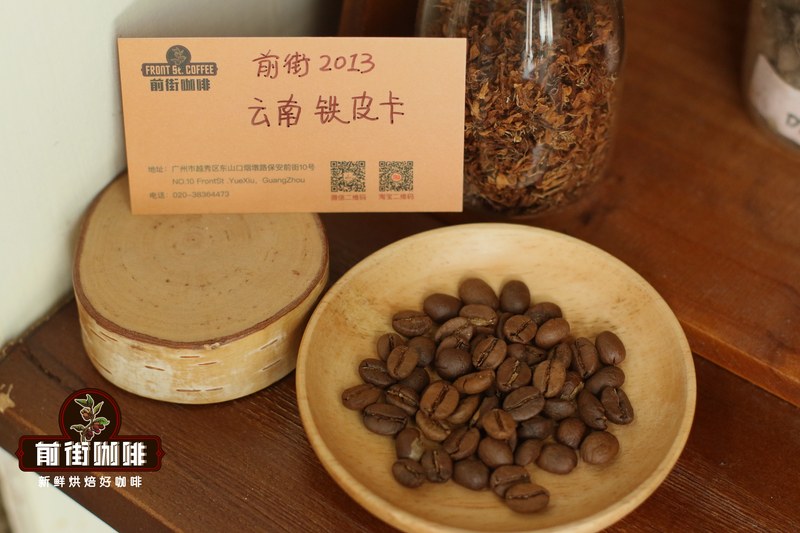
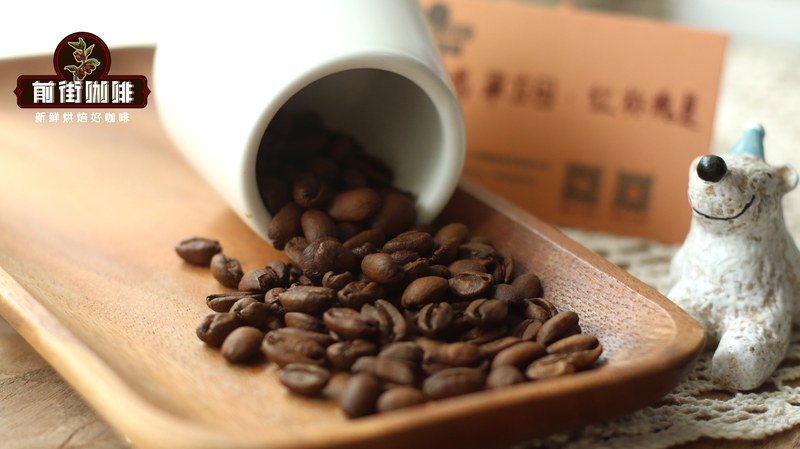
Freshness also cannot be ignored for medium-dark roasted espresso beans. Beans produced by Qianjie are guaranteed to be roasted within 5 days, can be put on the machine as soon as received, and the sweetness is more concentrated if finished within a month. Finishing them within a month gives better flavor; when storing, keep them away from light and sealed, and do not put them in the refrigerator. When well-rested beans are extracted, the crema presents a dense, smooth state, and this is also an intuitive indicator for judging the condition of the beans.
Once you sort out roast level, recipe type, and extraction parameters, making a low-acid, full-bodied espresso at home is not complicated. A medium-dark roasted blend or SOE, paired with suitable extraction and milk, lets you drink obvious sweetness and a full mouthfeel without adding sugar. Starting from bean selection and adjusting step by step to find the one you like is an especially grounded pleasure in everyday coffee.
Related Reading
Comments (0)
Loading comments...
You May Be Interested

Trending Reviews
Popular Videos

With you, wherever you are! We provide useful features to help you find new things you'll love






