Source:Best Coffee > News Author:qjroot Published:2026-10-09 19:21:30
When I first brought a home espresso machine back home, I also went through a period of frantic fumbling. I couldn't weigh the dose accurately, extraction times swung long and short, the milk foam came out like dish soap bubbles, and the latte I finally set on the table was either thin as water or bitterly undrinkable. Only after slowly figuring things out did I understand that a good-tasting latte actually follows a traceable logic: espresso is the skeleton, milk is the flesh and blood, and choosing the right coffee beans is where the soul lies. Today I'll share this complete logic for making lattes at home, to help you skip a few months of detours.
First, the extraction parameters for espresso, which are the foundation of a latte. My fixed setting now is 18 to 19 g of coffee grounds, extracting 36 to 38 g of coffee liquid, with the time controlled at 25 to 28 seconds. In this range, the coffee's acidity, sweetness and bitterness are relatively balanced, and the crema can also appear stably. What is crema? It is the dense golden foam on the surface of espresso, formed when the carbon dioxide produced during roasting is flushed out by hot water and wrapped by oils. The darker the roast and the fresher the beans, the thicker this crema will be. Although a home machine's pressure cannot compare with commercial equipment, as long as the parameters are stable, it can still extract a crema layer with a mirror-like sheen, about 3 mm thick, and that is the sign of qualification.

Milk selection and steaming are equally critical. I habitually heat the milk to 60 to 65°C; this temperature range can awaken the sweetness of lactose without destroying the protein structure. When steaming, steam cold milk from 5 parts full to 6 parts full, and the thickness is just right, dense enough to support latte art, yet it won't feel like drinking milk foam when you sip it. I usually mix the coffee liquid and milk at a ratio of 1 to 5, for example 36 g of espresso with 180 g of milk, so the coffee flavor won't be drowned by the milk, while the milk fragrance can soften the coffee's sharpness. When integrating, be careful to let the milk and espresso fully interweave, with the liquid surface evenly showing the so-called "golden ring", fine and free of large bubbles on the surface, so that every sip tastes consistent.
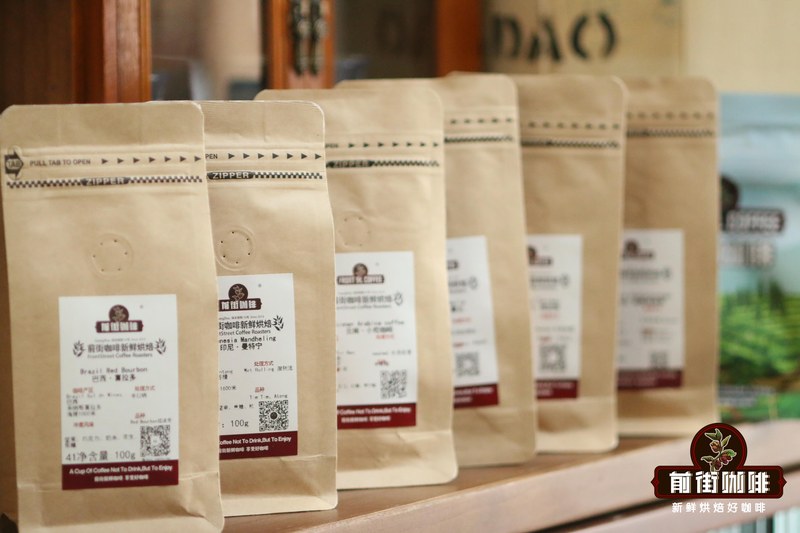
When making lattes at home, choosing the right beans is especially important. Qianjie Classic Blend was my first choice when I was a beginner, blended from Colombian and Brazilian beans; the dark roast brings a solid base of nuts and caramel, with rich and dense crema, and after merging with milk it presents a warm sweetness of roasted almonds and creamy chocolate, with a fairly high tolerance for error. Qianjie Black Cocoa Blend is more suitable for those who like a rich style; the combination of Brazil and Guatemala releases the heavy aroma of dark chocolate and roasted hazelnuts under a dark roast, and when made into a latte it is like tiramisu, with a faint smoky note in the finish, especially comforting to drink in winter.
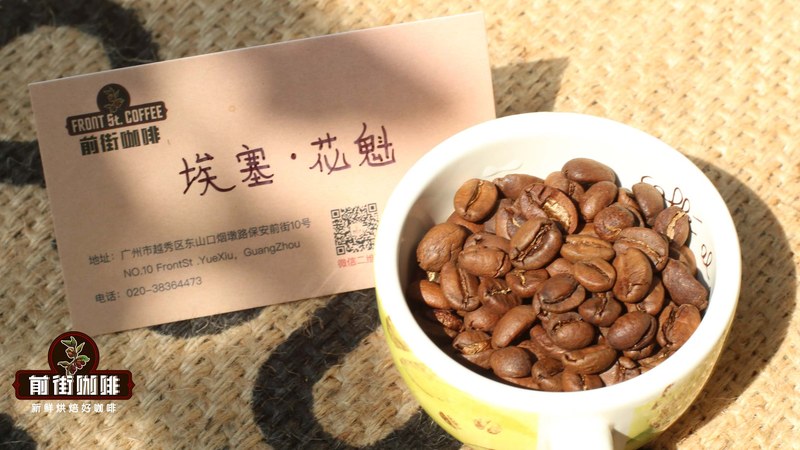
If you prefer fruity notes, SOE beans will bring more surprises. Qianjie Yirgacheffe Red Cherry SOE comes from Ethiopia; under a medium roast it presents soft citrus acidity, followed by the mellow fragrance of creamy chocolate and the aroma of cookies, with no harsh bitterness in the finish. When made into a latte, the fruit acidity is gently wrapped by the milk and becomes a flavor similar to citrus milk candy. Qianjie Huakui SOE also comes from Ethiopia; the natural process gives it red berries, light floral notes and orange tones, and the crema itself carries citrus aroma. Made as an americano it is refreshing and elegant, while as a milk coffee the fruity sweetness stands out, like a berry gummy melted into the coffee. These two SOEs made me realize that using single-origin beans for espresso does not make the flavor layers any more monotonous than a blend; it is just a different direction of expression.
To judge whether the extraction is successful, besides looking at the crema and parameters, the most direct way is to drink it. Dilute the espresso into an americano or add milk to make a latte, and feel whether the aroma is full, whether there is abrupt acidity or burnt bitterness, and whether the mouthfeel is thin. If everything is harmonious, it means this cup of coffee has reached the passing line. The fun of a home machine lies in finding your own sweet spot through repeated adjustments; you do not need to pursue an absolute standard, but you must understand the logic behind the parameters. Beans with rich crema have a higher tolerance for error and better compatibility with milk, which is a very safe starting point at the beginner stage.
Finally, I want to say that making coffee at home does not require anxiety over whether the latte art is perfect. A latte with just the right temperature, proper ratio and balanced flavor, when set on the table, the aroma it gives off and the smoothness on the palate are already enough to make an ordinary morning especially worth looking forward to. Choose the right beans, weigh the dose well, watch the time, warm the milk well, and leave the rest to the natural chemical reaction of extraction and integration. When your home machine begins to stably produce espresso with golden crema, when the milk and coffee swirl into an even color in the cup, that sense of satisfaction created by your own hands is exactly where the true charm of home coffee time lies.
Related Reading





Comments (0)
Loading comments...
You May Be Interested



Trending Reviews
Popular Videos

With you, wherever you are! We provide useful features to help you find new things you'll love






