Source:Best Coffee > News Author:qjroot Published:2024-07-18 18:54:21
In Africa, there are many well-known coffee-producing countries, such as Ethiopia, Kenya, Rwanda and Tanzania. Although Tanzania is not as famous as its neighbor Kenya, it can also produce high-quality coffee.
Coffee first became an economic crop in Tanzania (formerly Tanganyika) during German colonial rule, when Arabica coffee trees were mainly grown in the Bukoba production area, but the cultivation methods differed from those of the local Haya people, who were therefore unwilling to replace food crops with coffee trees, so development was slow.
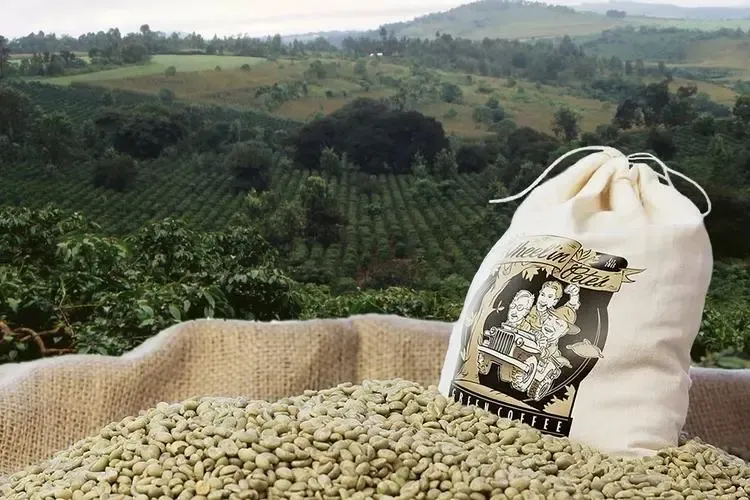
After World War I, control of this area passed to the British. They planted more than 10 million coffee seedlings in Bukoba, but this likewise led to conflict with the Haya people, and the result was usually that the seedlings were uprooted. Therefore, compared with Tanzania's Chagga area, the coffee industry here did not develop significantly.
It was not until Tanzania became independent in 1961 that it focused on the coffee industry. Starting in the 1990s, Tanzania's coffee industry underwent a series of reforms. Unfortunately, in the late 1990s a coffee dieback disease spread at the time, greatly reducing the amount of coffee in northern Tanzania, and afterward the main growing areas were shifted to the southern region and the Mount Kilimanjaro area. Thanks to the country's terrain and climate, coffee growing became Tanzania's main agricultural economic crop.
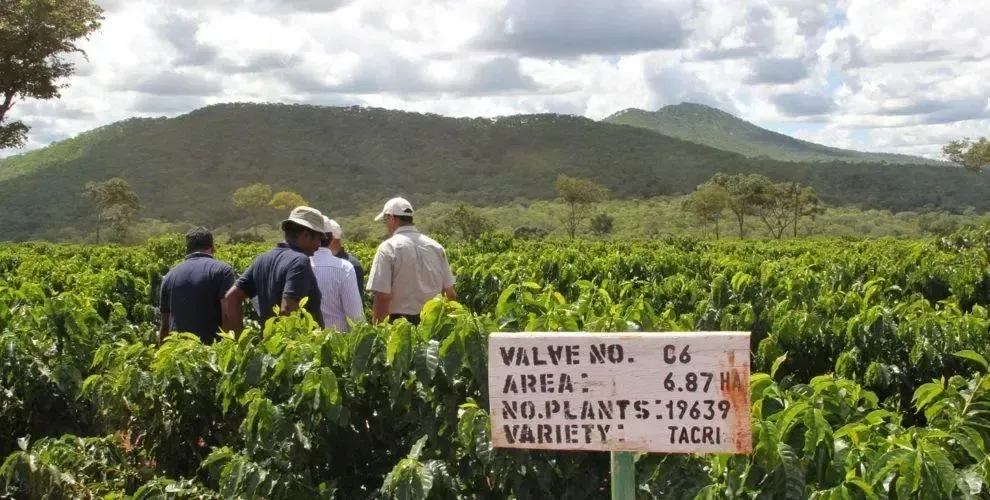
Tanzania is located in East Africa, south of the equator, bordering several African countries; it is a country with both sea and land. The country's terrain is high in the northwest and low in the southeast, with lowlands along the eastern coast; the western plateau accounts for half of the country's total area; the East African Rift Valley runs north-south in two branches, east and west, from Lake Malawi; and it is home to Mount Kilimanjaro, the highest peak in Africa.
Because it is close to the equator, the eastern coastal areas and some inland lowlands have a tropical savanna climate, while the western inland plateau has a tropical mountain climate, with an average annual temperature of 21°C-26°C. Although the country receives relatively little rainfall, with 80% of the area receiving less than 1000 mm of rain, Tanzania has numerous rivers and lakes and is rich in water resources.
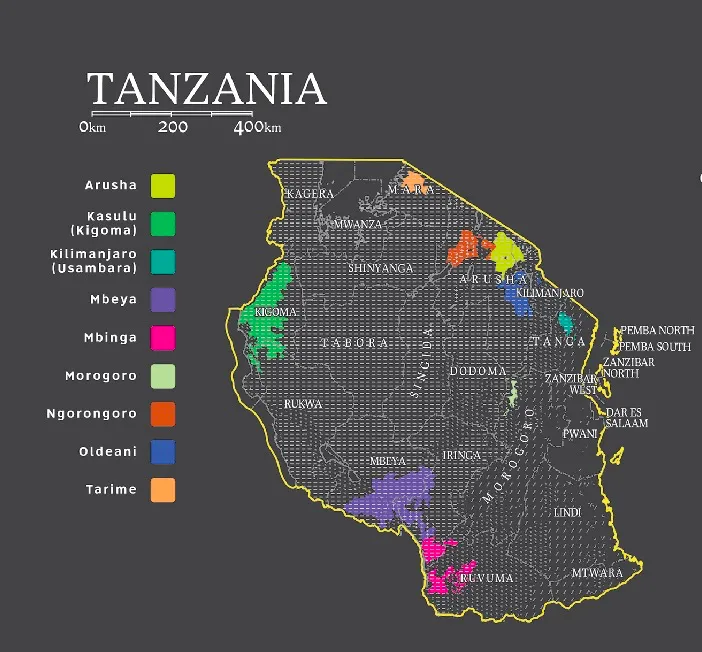
Coffee cultivation in Tanzania is currently divided into nine producing regions, with the relatively better-known ones being Kilimanjaro, Arusha, Ruvuma, Mbeya, Tarime and Kigoma. 90% of Tanzania's coffee comes from 450,000 smallholder farmers, while the other 10% comes from larger estates, so cooperatives are the main model.
Among them, Kilimanjaro ("Kilima" means mountain, and "jaro" means radiant) is the best known. Kilimanjaro is the highest mountain on the entire African continent and is mainly composed of three extinct volcanoes, Kibo, Mawenzi and Shira, reaching as high as 5895 m, while coffee is grown at an altitude of 1050-2500 m.
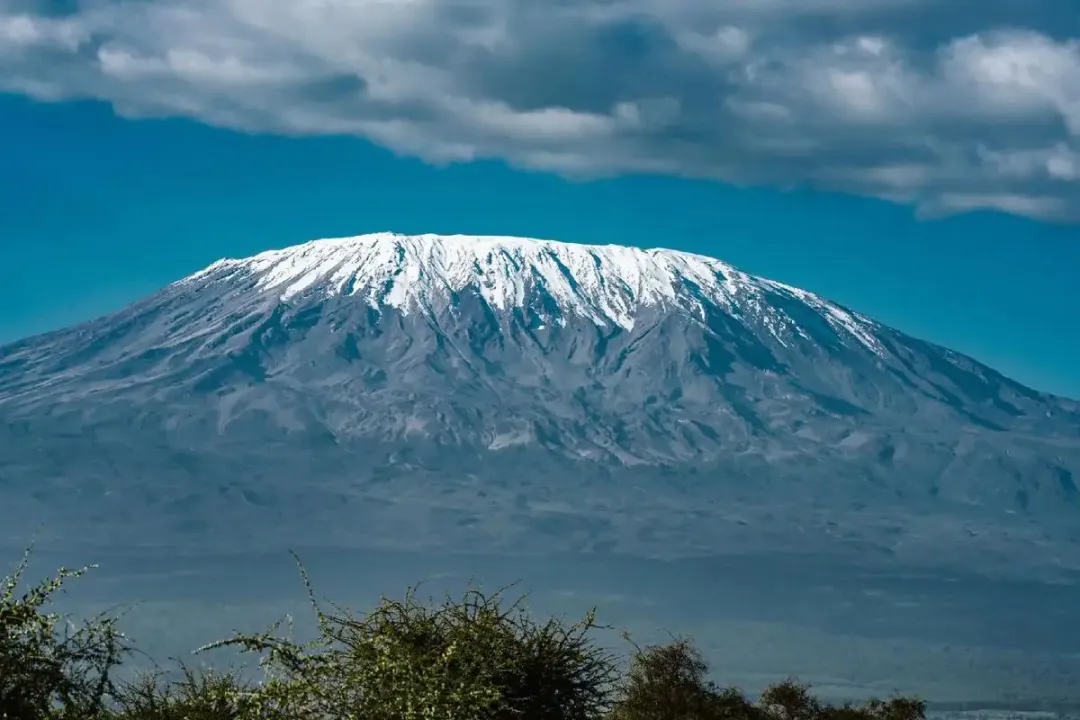
A sufficiently high altitude, volcanic soil and pure snowmelt water make the most suitable regions for growing coffee. Best Coffee has a washed Typica from the Kilimanjaro region, which tastes with a gentle acidity, with flavors of citrus, berries, honey and nuts, a soft, tea-like mouthfeel, and overall balance.
In addition, quite a few coffee regions have good quality, such as Mbeya, located in the surrounding area of Mbeya city in southwestern Tanzania, and the main agricultural capital and trading center of the country's southwestern region.
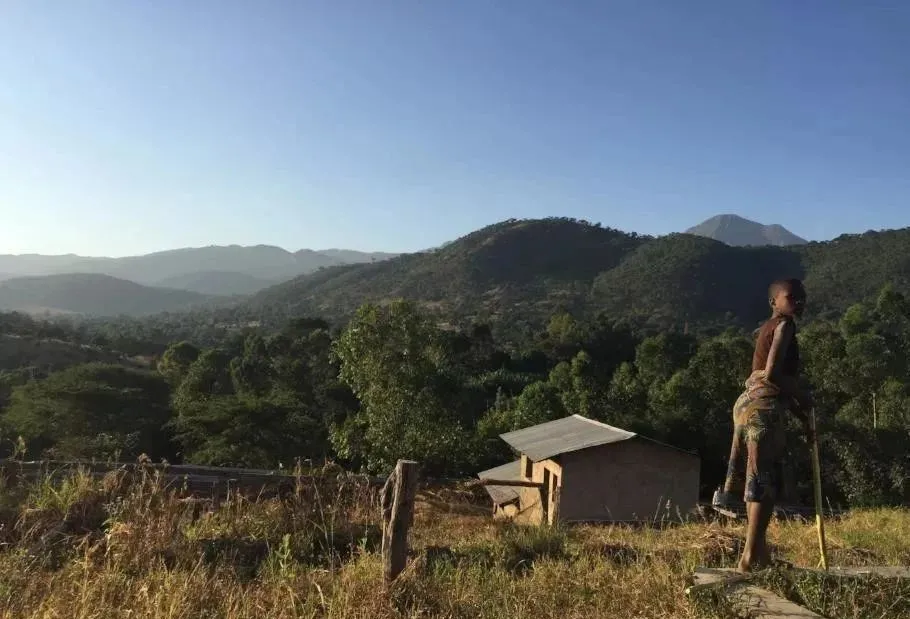
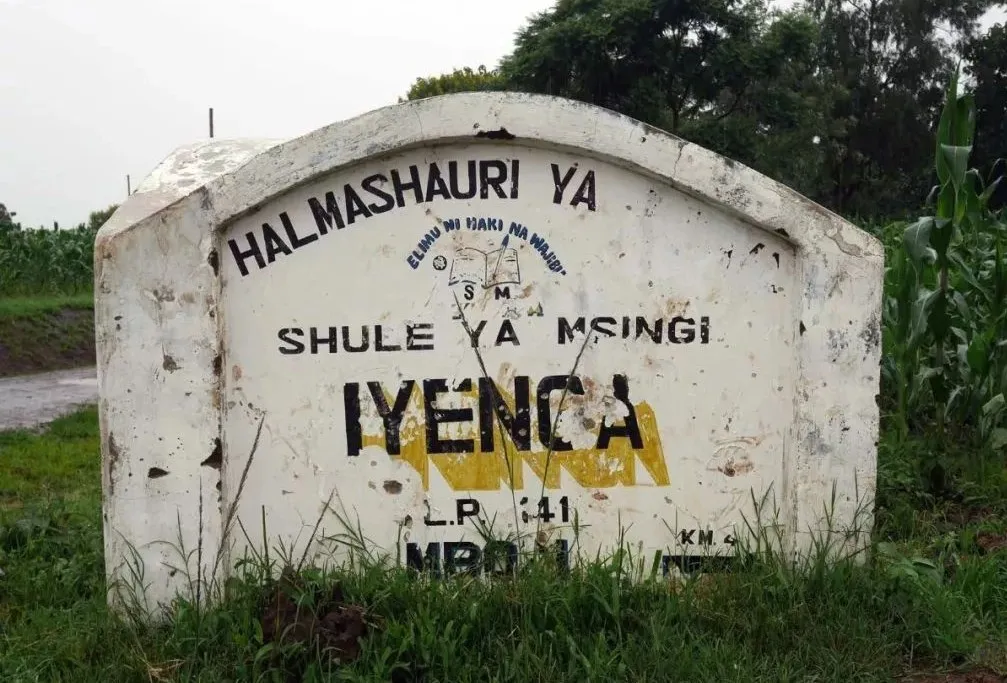
This place has many highlands and basins, with volcanoes such as Mount Rungwe; the lowlands here are hot and arid, but the highlands where coffee is grown are cool and humid, with a growing altitude of about 1660 m, together with fertile soil provided by volcanic ash, and lakes to the west and southeast, abundant water resources, so it can produce high-quality coffee. There are also quite a few well-known cooperatives here, such as Iyenga Agricultural Marketing Cooperative Society (Iyenga AMCOS).
Iyenga Agricultural Marketing Cooperative Society (Iyenga AMCOS) was founded in 2003, mainly collecting coffee in the Mbeya (Mbeya) area, working locally with more than five hundred coffee farmers. It also has good influence locally, all because it greatly upholds democracy. All leaders are produced through democratic elections, young people and women are encouraged to take part in coffee activities, cooperative activities and so on, and there is a team responsible for coffee growing and processing, in order to ensure quality.
Related Reading







Comments (0)
Loading comments...
You May Be Interested






Trending Reviews
Popular Videos

With you, wherever you are! We provide useful features to help you find new things you'll love






