Source:Best Coffee > News Author:qjroot Published:2024-11-18 11:15:03
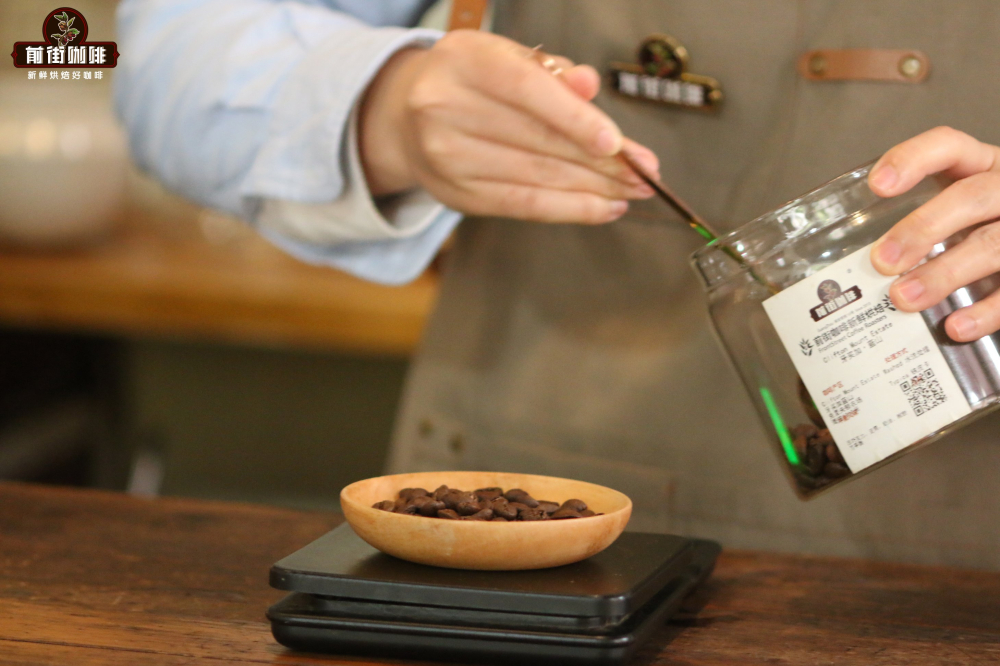
When it comes to coffee with a balanced body and rich mouthfeel, many people think of the very famous Blue Mountain coffee. After all, back in the last century, Blue Mountain coffee had already made a name for itself worldwide and even earned the title of "Emperor of Coffee," making it the representative of classic specialty coffee in many people's minds. But Blue Mountain coffee has always been expensive due to its high quality and small yields, so is there a more cost-effective coffee out there?
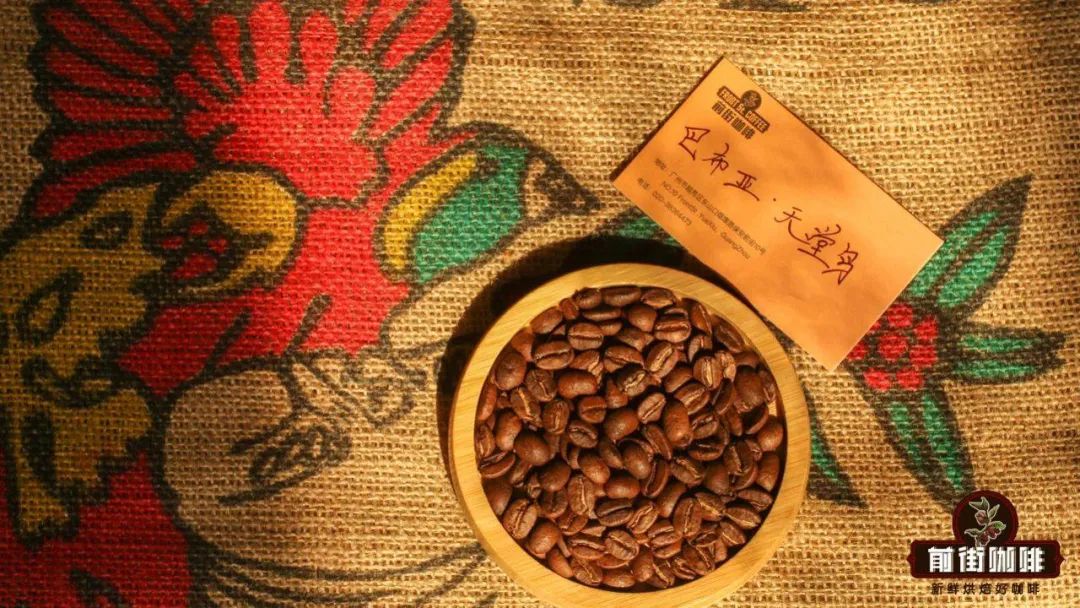
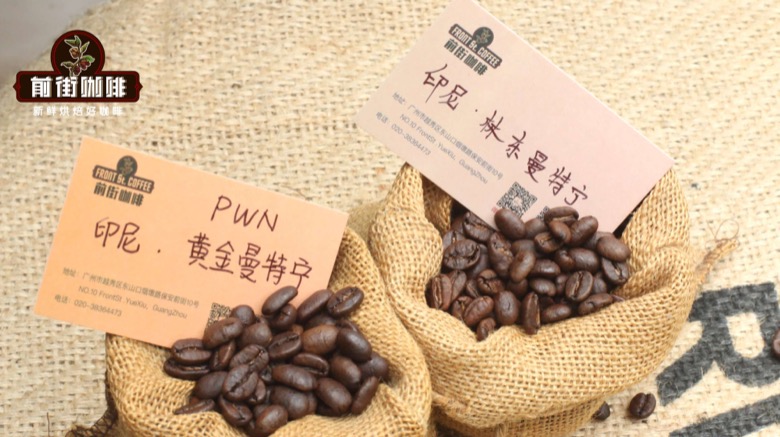
FrontStreet Coffee: Papua New Guinea Bird of Paradise coffee beans
Country: Papua New Guinea
Origin: Sigri Bird of Paradise Estate
Altitude: 1600-1800m
Grade: AA
Variety: Typica
Processing method: Washed
Flavor: Nuts, cocoa, soft citrus acidity, cream, caramel finish
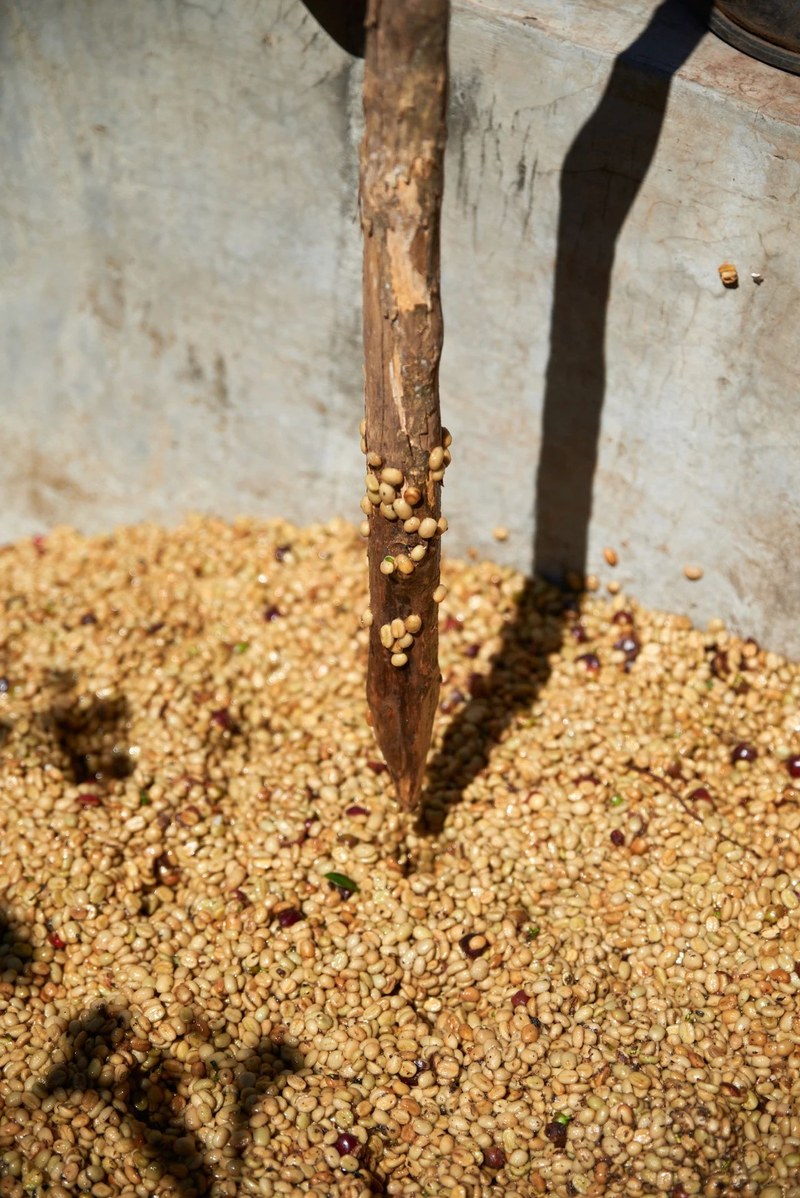
At FrontStreet there is a bean known as the "Little Blue Mountain," grown in Papua New Guinea, and it has a lovely name too: "Bird of Paradise." This coffee uses the Typica variety introduced from Jamaica's Blue Mountain, is processed with the traditional washed method, and when presented as a medium roast, it delivers distinct hazelnut, toast, sugarcane and caramel aromas after brewing, along with a slight, soft fruit acidity and a balanced, clean mouthfeel.
Papua New Guinea may be fairly unfamiliar to many people; many may have only heard the country's abbreviation, "PNG." In fact, the country is located in Oceania and is an island nation made up of the eastern part of the island of New Guinea, which is shared with Indonesia, plus more than 600 surrounding islands.
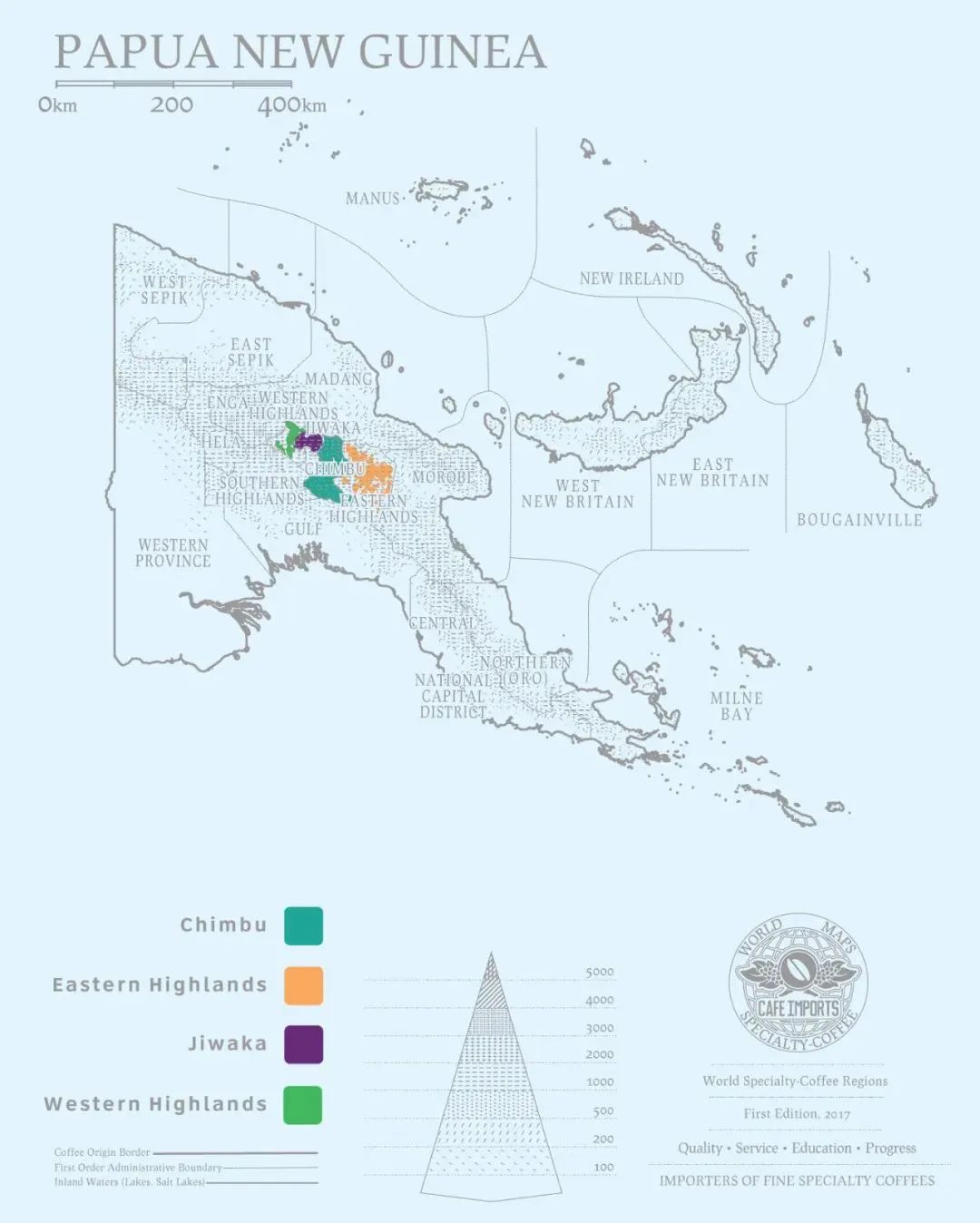
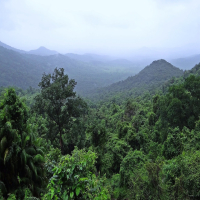
Papua New Guinea sits on the Pacific Ring of Fire and has tropical rainforests and numerous volcanoes. Coffee is mainly grown in the central highlands at elevations between 1200-2500 meters, and the country has a standard island climate; the inland highlands have an average temperature of 18-29°C, the year is divided into a dry season and a rainy season, and the average annual rainfall is 2500 millimeters. To boost Papua's commercial coffee development, Jamaican Typica seeds were introduced for local planting in 1931, and because the environmental conditions and climate of the two regions are very similar, these coffee seeds quickly adapted to the local environment.
Typica coffee trees are fairly tall, with bronze-colored leaves at the top, and the beans are on the large side and elongated, with pointed, upturned ends, a bit like an egg. Typica beans often have citrus acidity with a sweet finish, and many praise them as elegant, clear coffee beans, but unfortunately the Typica tree is very tall and inconvenient to pick; the Typica coffee tree is quite tall, about 5 m/16.5 ft. It is conical in shape, with slightly slanted branches, and the side branches form a 50-70° angle with the vertical stem. Its trunk is slender and its branches are very thin, and because of its height and long-branch characteristics, enough spacing needs to be left between plants when growing Typica trees.
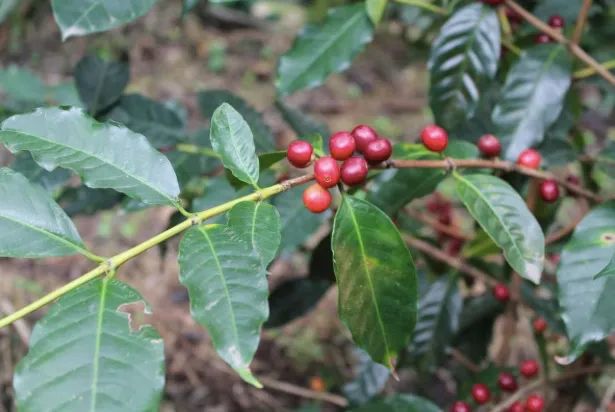
In addition, Typica has very poor disease resistance and struggles to withstand the most common diseases such as leaf rust and coffee berry disease, and its yields are extremely low. As a cash crop, coffee is hard to make profitable, so many growers in various regions choose to give it up and switch to other varieties with better disease resistance. To grow Typica coffee beans with superb flavor, more labor costs and technical expertise are required, which is also why Jamaican Blue Mountain coffee is so precious.
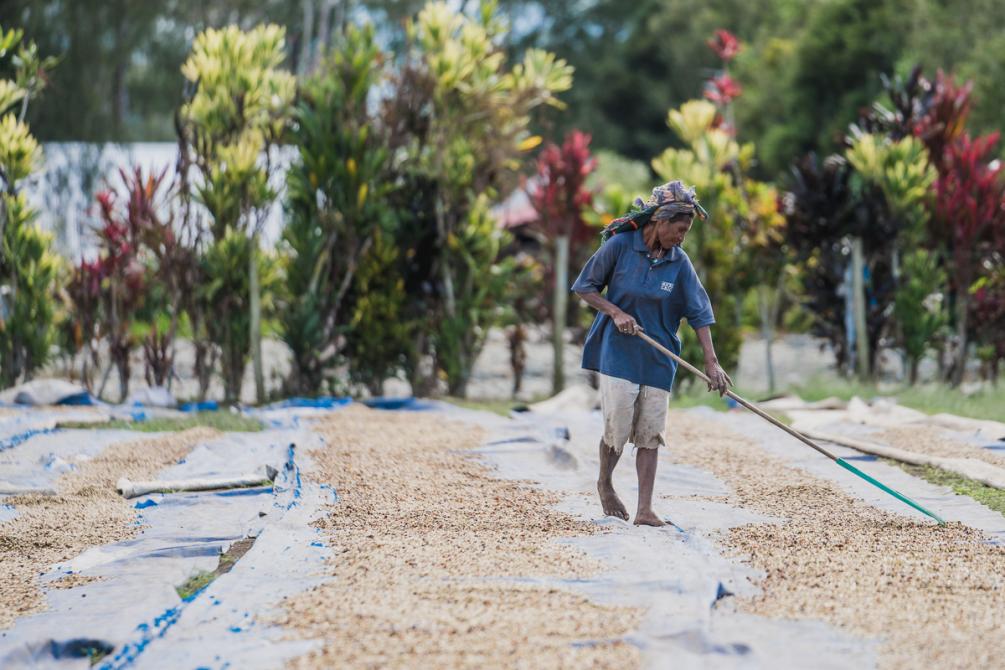
Since coffee produced in Papua New Guinea is also mostly processed by the washed method, the Typica coffee it yields is very similar to that produced in Jamaica Blue Mountain, and so people call it "Little Blue Mountain". Qianjie has done a cupping comparison: Jamaican Blue Mountain is fuller in flavor, highlighting mainly the aromas of dark chocolate and cookies, while washed Papua New Guinea leans toward an almond-like nutty note, accompanied by the fresh sweetness of sugarcane and a bright grapefruit acidity.

In addition, to develop greater diversity in its coffee cultivation, Papua New Guinea later introduced coffee varieties such as Bourbon, Mundo Novo and Caturra. In Papua New Guinea, coffee is concentrated in four major producing regions in the center of the country; most coffee is grown by smallholder farmers, and estates of any scale are few and far between, among which Sigri Estate is the best known.
Because the estate logo of Sigri Estate features a bird of paradise (the bird of paradise is also the national bird of Papua), it is also called Bird of Paradise Estate domestically. The estate is located in the Wahgi Valley in the Western Highlands province, with an average altitude of over 1500 m. Sigri Estate covers 128 hectares and has a long history, having been founded in the 1950s; its founder, Tom Cole, was a well-known hunter, though the estate was later acquired by Papua's largest company (WR Carpenter company-PNG).
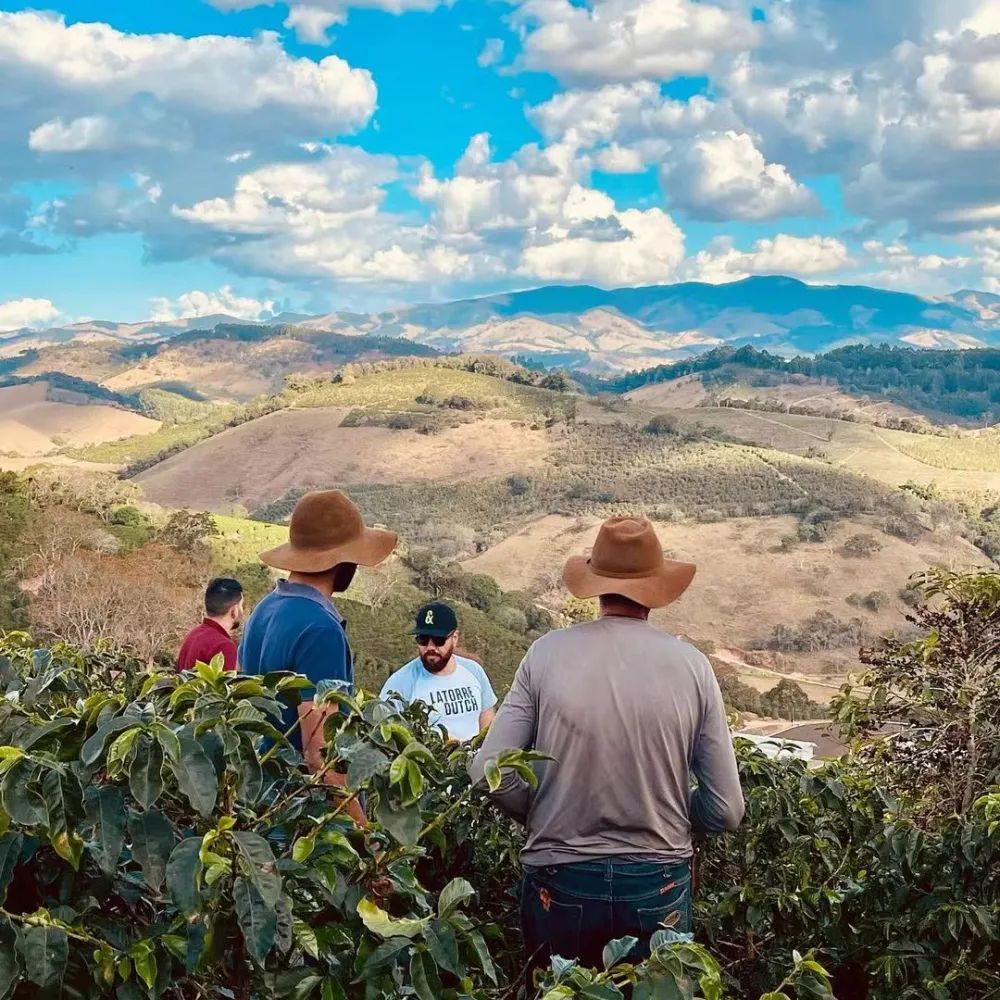
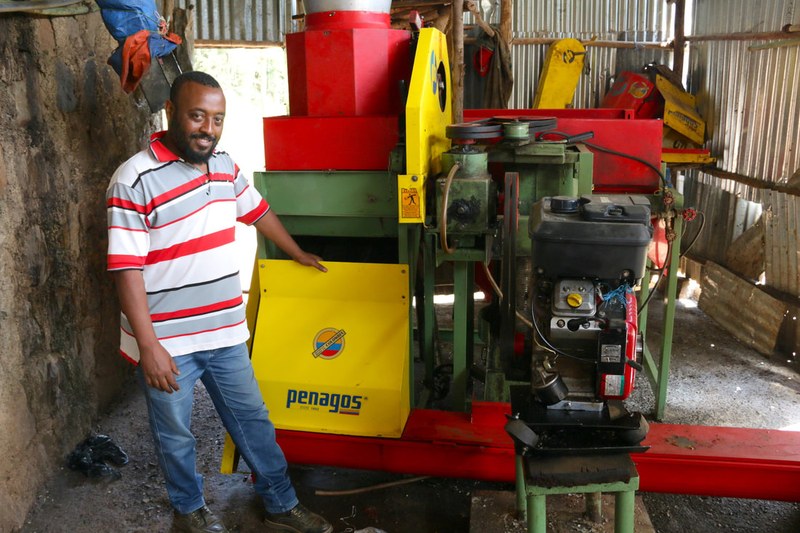
The company owns 2800 hectares of land in Papua New Guinea for growing tea and Arabica coffee beans, along with 4 processing plants and 1 coffee mill. It is also the largest producer and exporter of coffee and tea in Papua New Guinea, accounting for about 80% of the country's exports.Therefore, Sigri Estate can be said to have the most advanced technology and equipment locally, and the company places great emphasis on environmental protection, refusing to use pesticides and insecticides in order to protect water sources and soil; for many years it has consistently adhered to high-standard cultivation and processing methods in producing coffee, and has thus gained international recognition.
Related Reading



Comments (0)
Loading comments...
You May Be Interested




Trending Reviews
Popular Videos

With you, wherever you are! We provide useful features to help you find new things you'll love






