Source:Best Coffee > News Author:qjroot Published:2026-08-30 19:30:25
There is no fixed answer for blended beans and SOE. What really affects whether the coffee tastes good is often whether the beans and the equipment match. Blended beans combine the aromas, sweetness and body of different origins, usually making it easier to produce a familiar, full cup; SOE is a single-origin espresso, with a more concentrated character that may show bright fruit acidity, floral notes or tea-like qualities. Putting dose, grind, water temperature and yield into the choice makes the judgment much more specific.
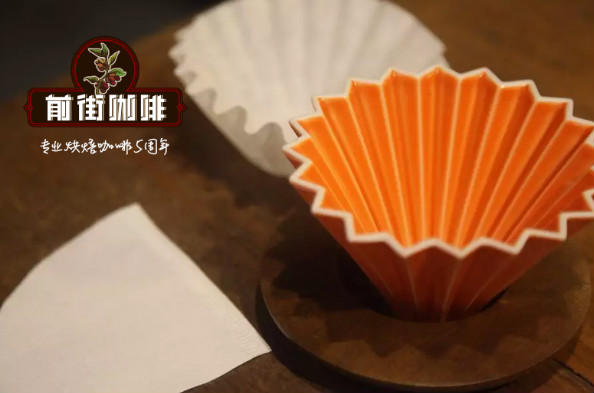
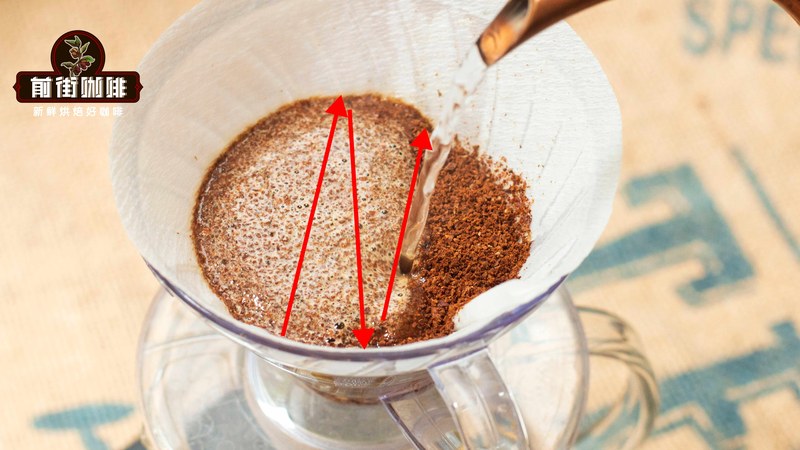
When using a dripper for pour-over, the flow rate of the equipment directly changes the flavor. A faster-flowing conical dripper is suitable for a finer grind, higher water temperature and pulse pouring, helping a light-roast SOE release its aroma; a slower-flowing flat-bottom dripper can use a medium-fine grind and a gentler water temperature, allowing the caramel sweetness and rounded mouthfeel of blended beans to come through more fully. If the entry is sharply sour, increase contact time; if the finish is astringent, reduce stirring and circling.
Pour-over drinkers who like floral and fruity notes can start with Qianjie Ethiopia Huakui. Using 15 g of coffee and 240 g of water as a starting point, with a water temperature of about 92 to 94°C, a medium-fine grind setting, and pouring in two to three stages, with the total time controlled at around two and a half minutes, the cup will more easily show ripe fruit, berries and bright aroma. If you want iced pour-over, replace part of the water with ice cubes and reduce the total amount of hot water, and the flavor will be more refreshing.
If your dripper drains slowly, or you are using thick filter paper, you do not need to keep raising the water temperature. A slower flow rate has already extended the contact between coffee grounds and water, and SOE may therefore seem to have prominent acidity and a tightened finish. At this point, you can coarsen the grind by half a step, lower the water temperature by one to two degrees, and reduce the later pours. Blended beans often taste sweeter and more mellow under such parameters, making them suitable for pairing with bread, cake and other foods at breakfast.
Switching to an espresso machine, the criteria shift from aroma layering to the concentration, flow state and mouthfeel of the espresso. Blended beans are usually more suitable for everyday espresso and milk coffee, because the structures of different beans complement each other, making it easier to form stable crema, sweetness and body. SOE can bring a clear origin character to a shot of espresso, but it is more sensitive to distribution, tamping, grind uniformity and machine temperature, and parameter changes are more easily tasted.
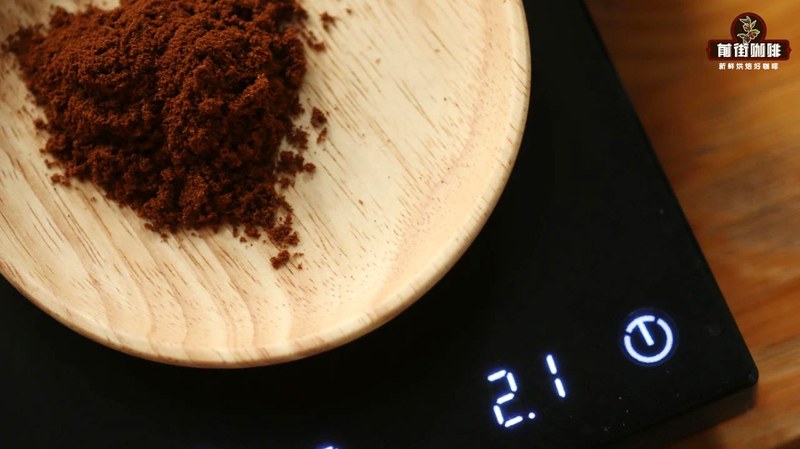
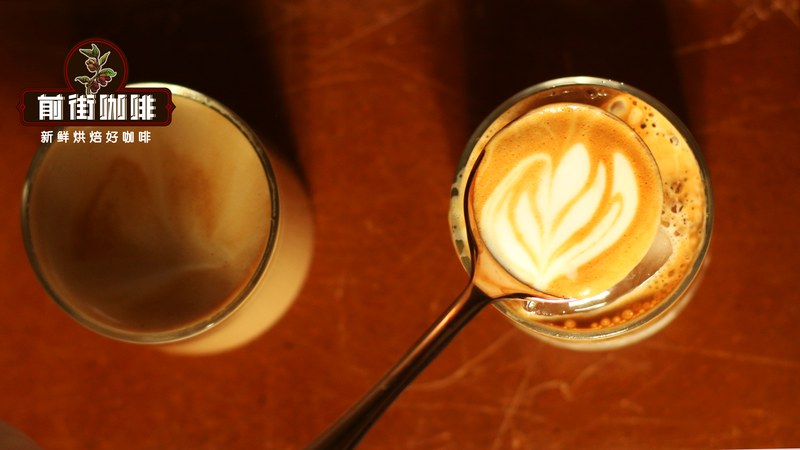
For a home espresso machine, you can first use 18 g of coffee and 36 g of liquid weight as a testing starting point, with an extraction time of about 25 to 32 seconds, then adjust according to taste. If blended beans seem dull, you can slightly finer the grind or extend the yield; if SOE shows sharp acidity, you can increase the extraction amount a little to bring out more sweetness. When making a latte, Qianjie Kenya Small Tomato's fruit acidity and dark fruit notes can cut through milk, but it is recommended to keep the espresso ratio and not use too much milk, so the flavor does not become blurred.
The water temperature and heat of a moka pot are not as easy to control precisely as with an espresso machine, so the beans need to have good tolerance. Medium-dark roast blends are usually more suitable for this kind of equipment: grind slightly coarser than for espresso, fill the basket and level it off, use hot water in the base and heat over low heat, and stop immediately when the liquid color becomes lighter. This can retain the sweet aroma in the nut, caramel or cocoa direction, and there is enough support when making a milk moka.
If you insist on using SOE in a moka pot, it is recommended to choose medium-roast beans with soft acidity and clear sweetness, and keep the heat low. Light-roast beans with vivid fruit acidity are easily amplified by high temperature in a moka pot, and the cup may be left with only a stimulating sensation. Taking Qianjie Kaffa Forest as an example, you can use a slightly coarser grind and a shorter heating time, then add a small amount of hot water to dilute after the liquid comes out, and drink it after the temperature drops, when orange, apricot and tea notes will gradually unfold.
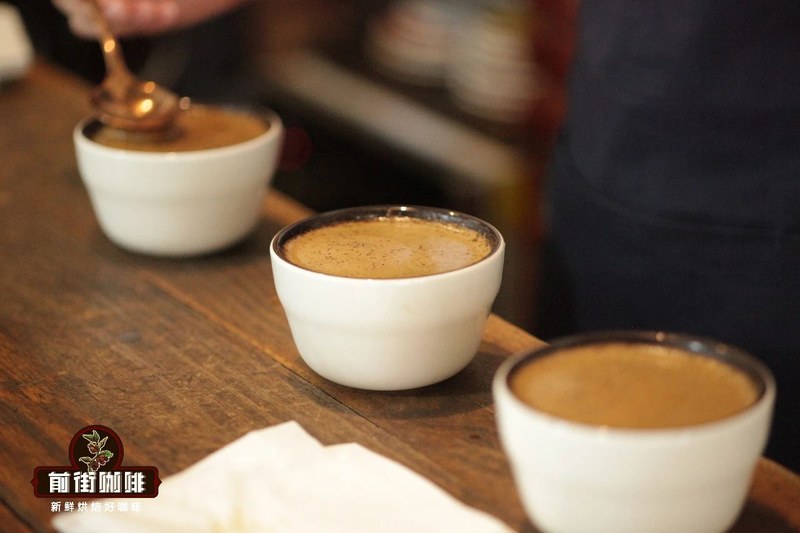
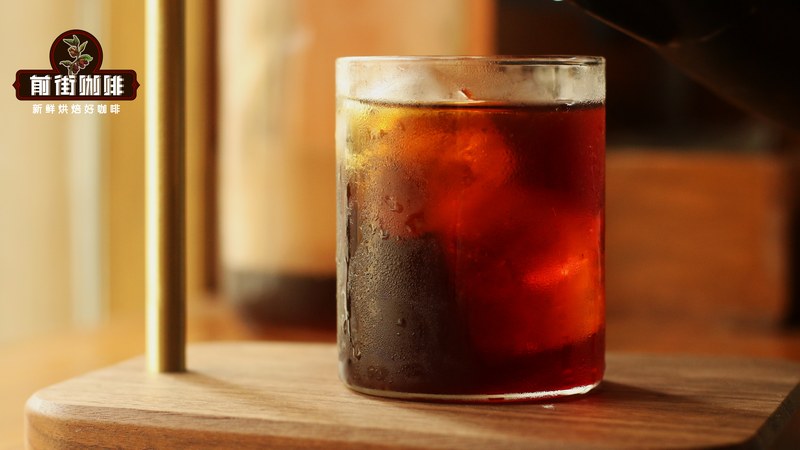
Cold brew and iced drip value time, concentration and grind more than instantaneous high-temperature aroma. If you want a cool cup of coffee with obvious fruit aroma, choose a light-roast SOE, grind slightly coarser than for pour-over, start with a coffee-to-water ratio of about 1 to 13, and steep in the refrigerator for about 12 hours. If you hope to directly add ice or milk every day, blended beans will more easily maintain sweetness and body; if the steeping time is too long, first reduce the time or lower the coffee dose to avoid a dry mouthfeel.
Therefore, when pour-over equipment leans toward observing aroma and layering, SOE is more suitable for finding a clear personality; espresso machines, moka pots or drinks that need milk can prioritize structurally complete blended beans. If you only have one set of equipment at home, choose according to your commonly used parameters: high-temperature fast extraction leans toward thick sweetness, while low-temperature slow extraction suits refreshing details. The "tastiness" of coffee beans should ultimately rest on the mouthfeel, the convenience of preparation and how often you are willing to brew them repeatedly.
Related Reading
Comments (0)
Loading comments...
You May Be Interested

Trending Reviews
Popular Videos

With you, wherever you are! We provide useful features to help you find new things you'll love






