Source:Best Coffee > News Author:qjroot Published:2026-08-20 14:33:50
The taste of a cup of pour-over coffee is determined by three core parameters: water temperature, grind size and coffee-to-water ratio. Understand the relationship between them, and you can adjust your brewing plan with direction, making every cup consistently good.
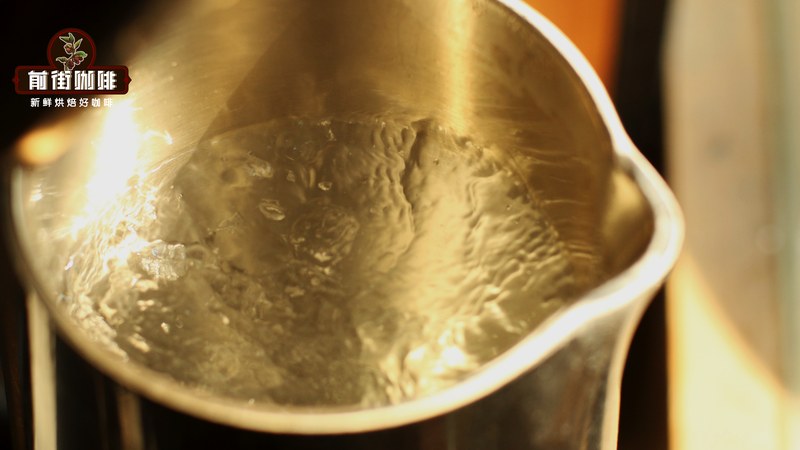
Water temperature directly affects extraction efficiency. Light-roasted beans are harder in texture and need higher water temperature to fully dissolve flavor compounds; 91 to 93 degrees Celsius is recommended. Medium-roasted beans suit 89 to 91 degrees, and medium-dark roasted beans can use 88 to 90 degrees, avoiding extracting too many bitter compounds at high temperature. Simply put, the lighter the roast, the higher the water temperature; the darker the roast, the slightly lower the water temperature. After boiling water in a pour-over kettle, wait a moment to let the water temperature naturally drop to the target range, then begin pouring.
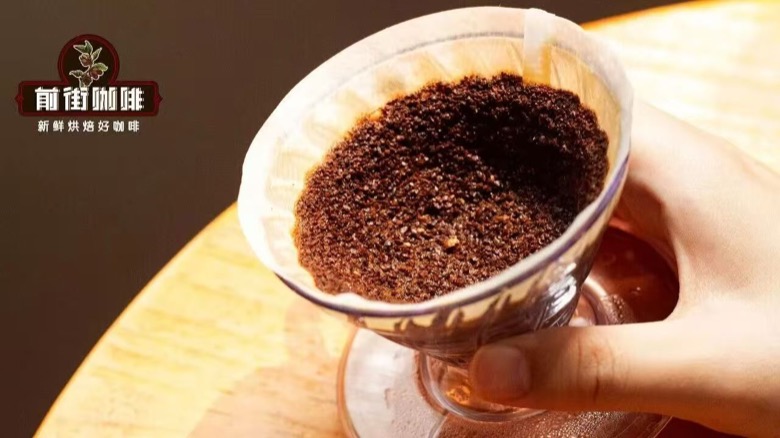
Grind size determines the surface area where hot water contacts the coffee grounds. Pour-over usually uses a medium-fine grind, with particle size between granulated sugar and table salt. The finer the grind, the faster the extraction and the stronger the flavor, but it easily turns bitter; the coarser the grind, the slower the extraction and the lighter the body, but it may taste sour and astringent. Uniformity is also key: worn burrs or excessively high RPM on the grinder produce fines, and too many fines lead to over-extraction and bitterness. Cleaning the grinder regularly and choosing a model with uniform toothed burrs can significantly improve brewing consistency.
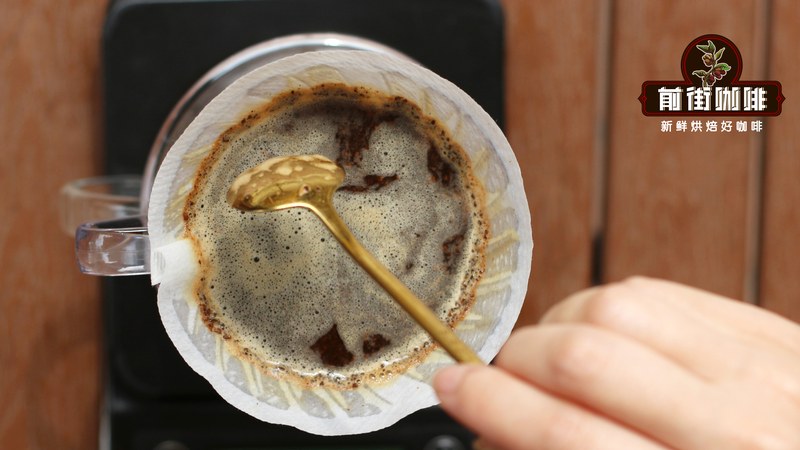
The coffee-to-water ratio is the balancer of concentration and extraction yield. Within the common 1 to 14 to 1 to 16 range, the smaller the coffee-to-water ratio, the higher the concentration and the thicker the body; the larger the coffee-to-water ratio, the lower the concentration and the more transparent the body. 1 to 15 is a common starting point for many coffee lovers: 15 g of coffee with 225 g of water brews a moderate concentration with distinct flavor layers. You can fine-tune according to the bean's characteristics: floral and fruity light-roasted beans can use 1 to 16 to make the sweet and sour brighter; nutty medium-roasted beans use 1 to 14 for a more concentrated sweetness. Blooming is a step in pour-over that cannot be ignored; freshly roasted coffee grounds contain a large amount of carbon dioxide, which rapidly expands and releases gas when meeting hot water. First wet the coffee bed with water at twice the coffee weight, let it rest for 30 seconds, let the gas fully release, then officially pour, which can greatly improve extraction uniformity.
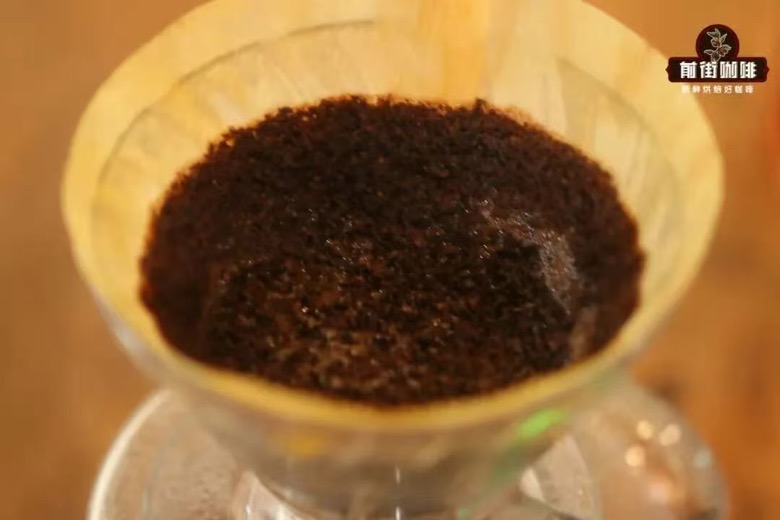
The internationally accepted Golden Cup standard proposes that an extraction yield of 18 to 22 and a concentration of 1.15 to 1.45 is the ideal range. Daily brewing does not need deliberate measurement, but it can serve as a reference for adjustment direction. When adjusting, it is recommended to change only one variable at a time, taste and compare after brewing, and feel the flavor differences brought by parameter changes. Once you have mastered the relationship between the three variables of water temperature, grind size and coffee-to-water ratio, your pour-over output will become more and more stable and controllable, and you can try beans from different origins and roast levels with more confidence.
Related Reading




Comments (0)
Loading comments...
You May Be Interested


Trending Reviews
Popular Videos

With you, wherever you are! We provide useful features to help you find new things you'll love






