Source:Best Coffee > News Author:qjroot Published:2026-09-16 02:13:09
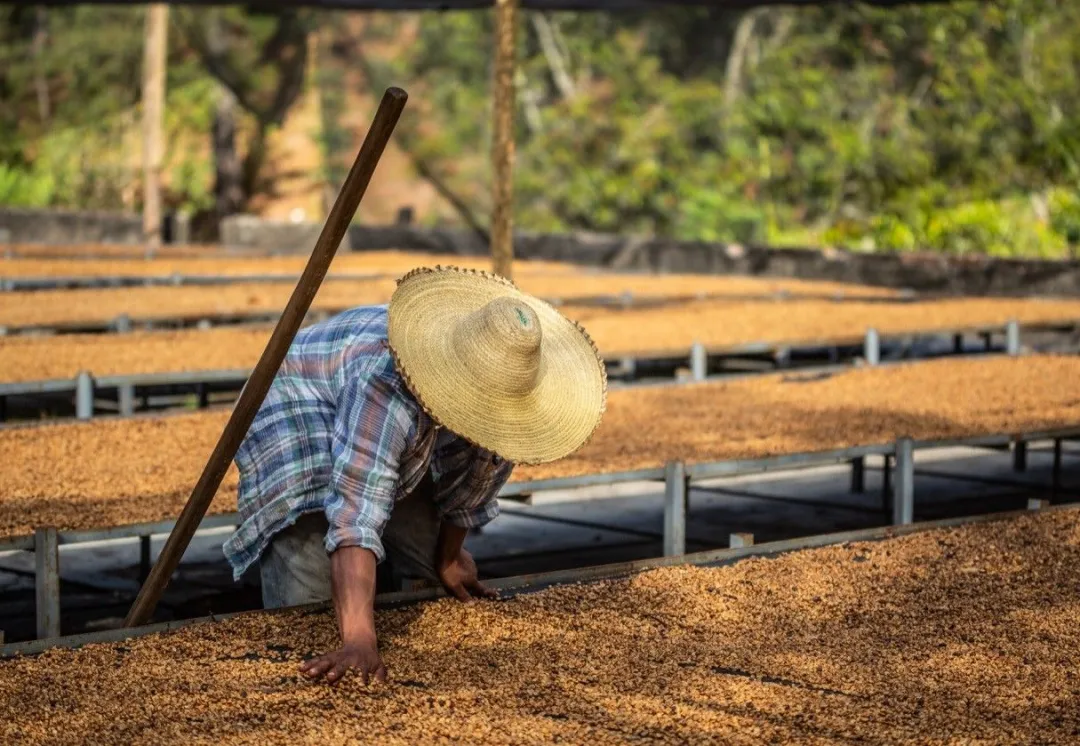
The natural process gives coffee beans a captivating ripe-fruit aroma and full-bodied sweetness, but to fully present these flavors in the cup, the right brewing plan is key. Facing naturally processed beans from different regions, we only need to fine-tune the water temperature, coffee-to-water ratio and pouring rhythm to precisely draw out their hidden aromas.
Brewing parameters are like the key to a treasure trove of flavor. A higher water temperature helps bring out floral and fruity notes, but it can also easily draw out off-flavors; a slightly coarser grind can increase the cleanliness of the mouthfeel, while extending the extraction time can make the sweetness more solid. Learning to match these variables according to the characteristics of the beans is the core of brewing.
Friends who like a bright juicy feel can try Qianjie Kenya Little Tomato. Under the natural process, this bean shows a lively acidity similar to cherry tomatoes, with the mid-to-late section revealing the ripe-fruit charm of smoked plum and a solid sweetness like yellow sugar. Its acidity is clear yet not thin, and its flavor profile is very distinct.
To highlight this bean's lively fruit acidity, you can use a slightly higher water temperature of 92°C for pour-over. Weigh 15g of coffee grounds, set the coffee-to-water ratio at 1:15, for a total water volume of 225ml. Use a two-stage pouring method: first pour 30ml of water for blooming, then slowly pour the remaining 195ml in circles, keeping the total time at 2 minutes 0 seconds.

When facing naturally processed beans with a lighter mouthfeel and a tea-like finish, the brewing approach needs to be adjusted accordingly. At this point, you can lower the water temperature a little and extend the contact time between coffee and water, giving the sweet substances inside the beans more time to dissolve. Increasing the number of pouring stages can also enhance the coffee's flavor richness.
Among beans with a noticeable tea-like quality, Qianjie Kaffa Forest is a great choice. On the palate, it lets you catch a fresh orange-like note, then gradually reveals the sweet taste of ripe apricot. The overall mouthfeel is very light, and when the coffee liquid cools slightly, the long finish reminiscent of oolong tea becomes more pronounced.
For brewing this type of bean that emphasizes lightness and a tea-like feel, a water temperature of 90°C is recommended. Prepare 15g of coffee grounds, adjust the coffee-to-water ratio to 1:16, for a total water volume of 240ml. Use a three-stage pour: after 30ml for blooming, pour 100ml in the second stage, then once the water level drops, pour the final 110ml, keeping the total time at 2 minutes 15 seconds.
If you prefer extremely rich fruit aroma and complex layers, then a naturally processed Geisha with heavy fermentation notes can meet your expectations. These beans often contain aromatic substances of extremely high density, and when extracting, slightly increasing the dose and reducing the water can preserve the jam-like richness to the greatest extent.
To experience this rich layering, Qianjie Granja Estate Geisha is very worth trying. It gives off a captivating orange blossom aroma in the dry fragrance stage, and when drinking you can clearly feel guava and apricot interweaving on the tongue, with a texture like a mouthful of sweet strawberry jam, suitable for savoring slowly through a careful pour-over process.
For such a richly layered bean, we set the water temperature at 91°C and increase the dose to 16g. Use a smaller coffee-to-water ratio of 1:14, for a total water volume of 224ml. Also pour in three stages: 32ml of water for blooming, then pour 90ml, and finally pour 102ml, extending the total time to 2 minutes 30 seconds, so the jam-like feel dissolves fully.
Besides regular hot brewing, naturally processed beans also perform excellently when making iced drinks. Since low temperatures make people perceive acidity less acutely, when making iced pour-over, we can grind a little finer, use less hot water to extract a concentrated coffee liquid, then drip it directly onto ice cubes, thereby locking in that lively fruit aroma.
The process of selecting and tasting coffee is essentially an interesting exploration of a dialogue with flavor. Don't be bound by fixed formulas; pay more attention to the changes in aroma and mouthfeel after each parameter adjustment. By adjusting in accordance with the bean's own characteristics, you can easily brew a cup of delicious coffee that suits your preferences.
Related Reading



Comments (0)
Loading comments...
You May Be Interested



Trending Reviews
Popular Videos

With you, wherever you are! We provide useful features to help you find new things you'll love






