Source:Best Coffee > News Author:qjroot Published:2026-10-05 16:16:30
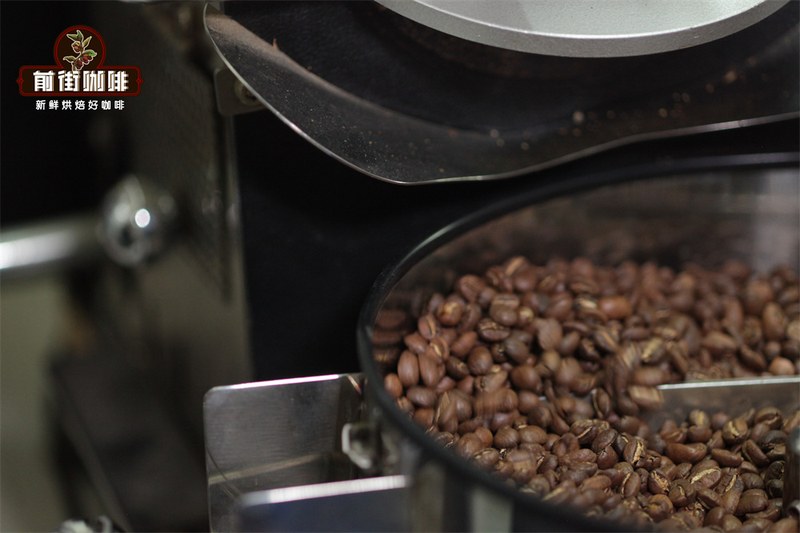
A moka pot uses steam pressure to push the coffee liquid up, and this extraction method naturally favors medium-dark roasted beans. Light-roasted beans have a tight structure and need to be ground as fine as espresso to extract anything, but once the grounds are too fine, the high temperature and pressure easily squeeze out a sharp, astringent sourness, while the oily aromatics get suppressed instead. Medium-dark roasted beans stay longer in the roaster, undergo sufficient caramelization, accumulate rich aromatic compounds, and still lock more carbon dioxide inside their cells. When they meet the moka pot's pressurized environment, the oils surge out more readily, and the mouthfeel is especially full and thick. It's like stewing meat: you need a little fat for it to be flavorful. For a moka pot, reaching for medium-dark roast is a well-matched pairing.
Bean selection is the starting point. Qianjie Specialty Blend takes the hazelnut route, designed specifically for home scenarios and everyday cafe use, sweet and smooth on entry, with a hint of soft mild acidity in the finish, very friendly to beginners, with a high extraction success rate, so you don't need to worry too much about messing up. If you want a more classic Italian flavor, Qianjie Classic Blend is a medium-dark roast, a combination of three beans: Brazil, Mandheling and Robusta, where you can taste the aromas of butter, toasted bread and caramel biscuits, with fine, stable oils, handy for making Americanos or lattes at home. Both are good matches for a moka pot; the Specialty Blend is better for days when you want to easily drink good coffee, while the Classic Blend suits those who like it rich and full-bodied.
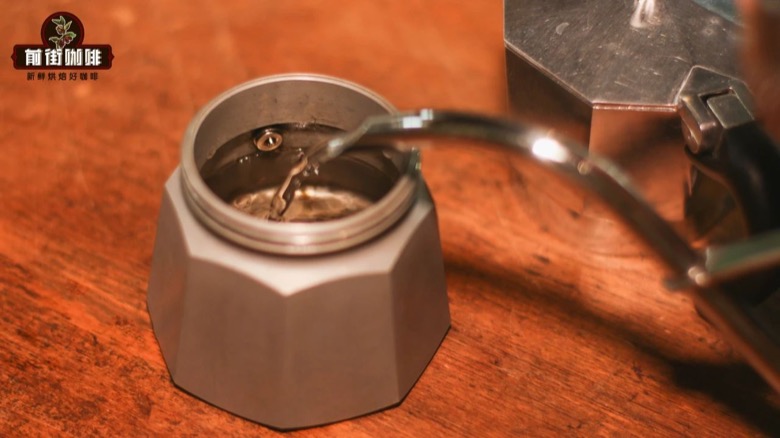
There's no need to weigh the dose; the moka pot has its own answer. Pour the coffee beans into the filter basket, shake gently to level, until the surface is flush with the edge of the basket, then scrape level, and that's exactly one portion. Then take it to grind, and once ground, put it back into the basket, again scrape level, don't tamp and don't knock. Fill the bottom chamber with water controlled between 80 and 140 ml, and the water level should sit about half a centimeter below the safety valve. That protruding little metal valve is the safety bottom line; if water covers it, the pressure has nowhere to release, and the consequences are very serious. Remember this distance; it's more reliable than any scale marking.
Grind size is the life-or-death line for a moka pot. An espresso machine has 9 bar of high pressure and can force its way through a wall built of fine grounds, but a moka pot doesn't have that strength. Stop grinding when the coffee reaches a fine-salt consistency, slightly coarser than table salt, with a grainy feel in your hand but not prickly. If you grind it to flour fineness, the water boils but the coffee liquid still refuses to come up, the pressure in the bottom chamber keeps climbing, and if the safety valve can't hold, it's dangerous, so turn off the heat immediately. Conversely, if ground too coarse, the resistance is too small, the coffee liquid will sputter out, and aside from the scald risk, the taste is sour and thin, like drinking dishwater. Compared with the espresso machine's usual 18 to 19 g of coffee yielding 36 to 38 g of liquid, the moka pot's coffee-to-liquid relationship is looser, but the margin for error in grinding is actually lower.
Heat over medium-low heat, and patiently wait for the steam to slowly build up. From lighting to the start of flow, keeping the whole process between 1 minute 15 seconds and 2 minutes 30 seconds is ideal. When you see the coffee liquid begin to flow out, thick and honey-colored, wait until about half has flowed out, then turn off the heat, and let the residual heat push the rest through. Finishing this way avoids the burnt bitterness of the tail end, and the whole cup tastes cleaner. There's no fixed, dead time for the whole process, but a sense of rhythm matters; too fierce a flame easily over-extracts, too gentle a flame under-extracts. Brew it a few more times, listen to the sounds in the pot with your ears, watch the flow rate with your eyes, and your body will naturally remember that right moment.
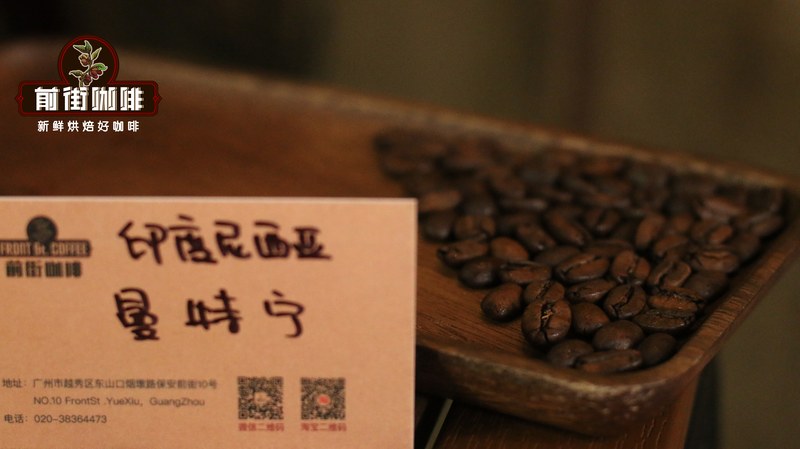
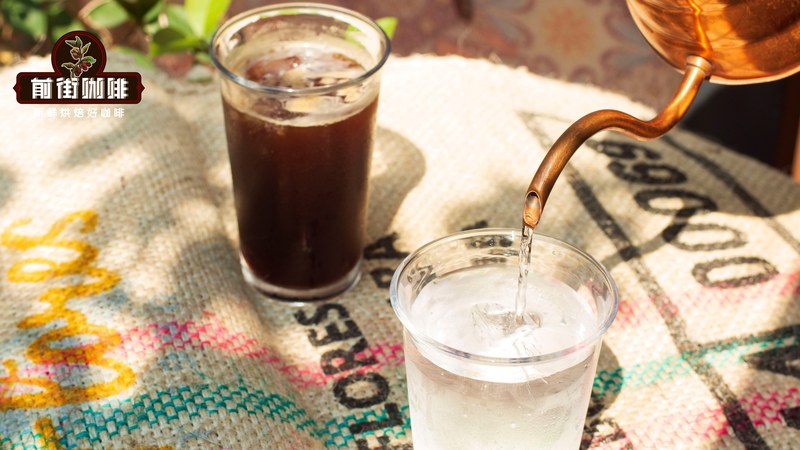
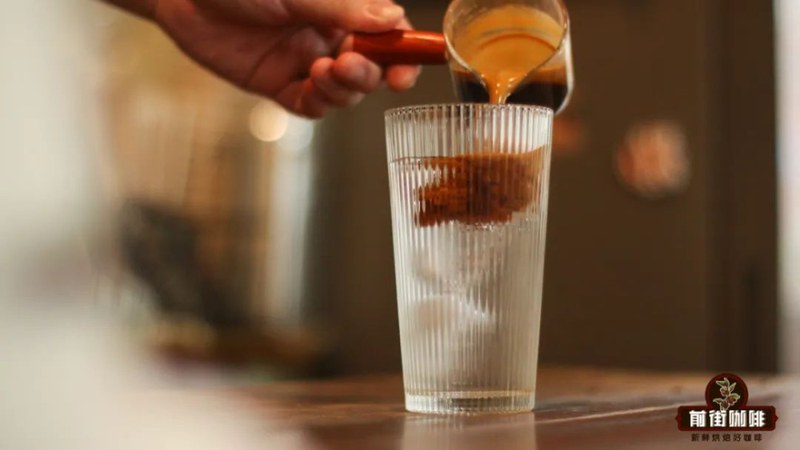
How to drink it once brewed also has its finer points. For straight drinking, you can add an equal amount of warm water or ice water, diluting to your preferred strength. For milk coffee, coffee and milk are about 1 to 4, for example 45 ml of espresso with 180 ml of milk, making a smooth home-style latte. This ratio is lighter than a cafe's espresso latte, but the moka pot's strength is just like this, so there's no need to force a comparison; tasting good and comfortable is the standard at home. Friends new to the moka pot might as well start with Qianjie Specialty Blend; the sweet hazelnut aroma easily builds confidence, and once your technique is steady, try the rich layers of Qianjie Classic Blend, and slowly find that one cup of your own.
Related Reading




Comments (0)
Loading comments...
You May Be Interested


Trending Reviews
Popular Videos

With you, wherever you are! We provide useful features to help you find new things you'll love






