Source:Best Coffee > News Author:qjroot Published:2024-09-05 18:28:37
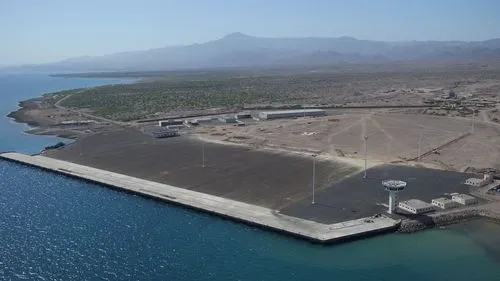
According to local reports, the foreign minister of Ethiopia's neighbor Djibouti said in an interview that it is offering Ethiopia the port of Tadjoura so that it can be "fully managed." However, no details were provided, nor were the details of the conditions proposed to Ethiopia.
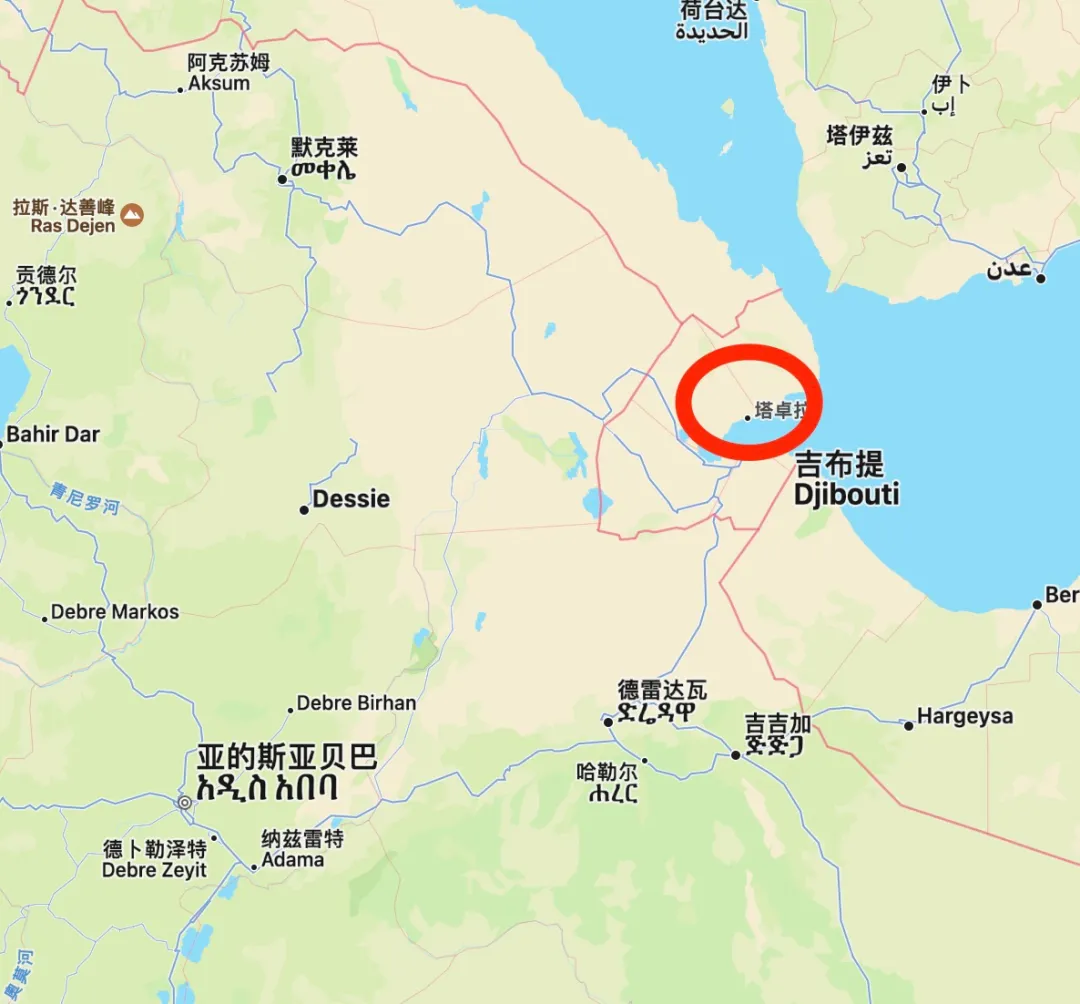
In fact, in 1993, after Eritrea separated from Ethiopia and became independent, Ethiopia became a landlocked country, losing its port, so Ethiopia's imports and exports mainly rely on the port of Djibouti in neighboring Djibouti. Djibouti has also benefited from this, as Djibouti can obtain more than 1 billion USD in port fees each year from Ethiopia's imports and exports.
According to Djibouti's foreign minister, Djibouti is a stable country, but the situation in neighboring countries has not eased, so Djibouti may also be affected.
Recently, relations between Ethiopia and Somalia have been continuously deteriorating. The reason for the deterioration between the two sides lies in the memorandum of understanding signed between Ethiopia and Somaliland. While recognizing Somaliland as an independent state, Ethiopia obtained, by way of lease, 20 km of Somaliland's coastal land and port usage rights for 50 years.
Earlier, Turkey intervened between the two sides and organized peace talks between the two countries, but ultimately failed. Somalia believes that Ethiopia's signing of the memorandum of understanding is an infringement of Somalia's sovereignty, and that there is no room for dialogue before Ethiopia withdraws the memorandum of understanding with Somaliland.At present, Somalia also has the support of Egypt and Eritrea. Egypt has also signed a defense agreement with Somalia and will deploy 10,000 troops in Somalia. On August 27, Egypt dispatched two military aircraft and some military equipment to Somalia.

Ethiopia, however, believes that signing the memorandum of understanding with Somaliland is a legitimate right in seeking Somaliland's maritime rights. In addition, Ethiopia has also become the first country to send an ambassador to Somaliland.
In response to Egypt's dispatch of military aircraft, Ethiopian officials said they are monitoring developments in the region that may threaten national security, and stated they are committed to a peaceful resolution of differences. However, some reports pointed out that the Ethiopian government has begun deploying troops to the Somali Region on the border between Ethiopia and Somalia. Therefore, the current situation in the Horn of Africa is very urgent and may break out into conflict at any time.
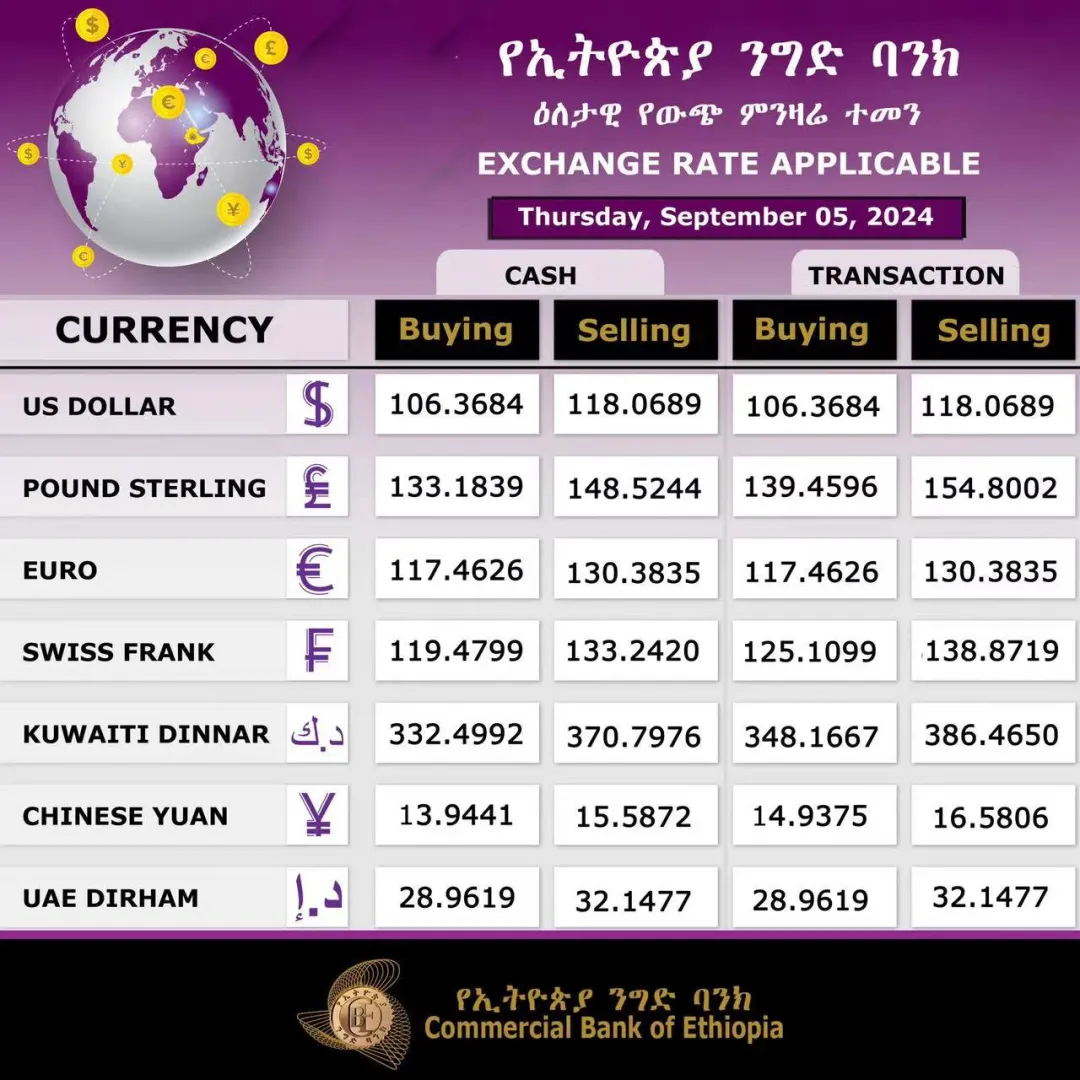
For Ethiopia, the current situation can be described as beset by internal and external troubles. At home, armed conflict with multiple armed forces continues, and the locations of the clashes have spread from the northern part of the country to the south. In addition, newly released reforms have caused a sharp depreciation of the exchange rate of the currency, the birr, and the cost of living has been rising continuously, leading to public dissatisfaction and an uncertain outlook for the industry.
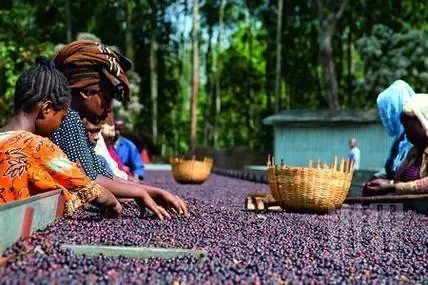
In addition, Ethiopia's industry relies heavily on imports and exports, especially agricultural products such as coffee. However, the Port of Djibouti was earlier affected by the Red Sea crisis, which severely disrupted imports and exports. According to data previously reported by the Ethiopian Coffee and Tea Authority, due to the impact of the situation and security problems, local coffee prices in Ethiopia are currently rising slowly, but coffee export volumes have fallen by 27%. This is why Ethiopia has sought ports in other countries to solve the disruption problem.
At present, Djibouti wants to use the port to ease regional tensions, and it is expected to increase the throughput of Ethiopian goods and raise total import and export volumes, which would benefit Ethiopian industries such as coffee. However, Djibouti's Port of Tadjoura is still located in the Gulf of Aden, still within the Red Sea area, and within the strike range of the Houthi armed group. In recent times, there have also been reports of the Houthi armed group attacking ships.
Therefore, whether Djibouti's provision of a port to Ethiopia can ease regional tensions still cannot be assessed, and Ethiopia's Ministry of Foreign Affairs has not yet responded to the matter of the Djibouti port. At present, the outlook for multiple Ethiopian industries, including coffee, remains uncertain.

To learn more about coffee origins and news, please scan the QR code to follow: Kaping
Long-press the QR code to follow:

Related Reading








Comments (0)
Loading comments...
You May Be Interested





Trending Reviews
Popular Videos

With you, wherever you are! We provide useful features to help you find new things you'll love






