Source:Best Coffee > News Author:qjroot Published:2024-12-07 18:38:35
Recently, according to media reports, the Brazilian National Institute of Meteorology (Inmet) issued storm and heavy rain warnings for a total of seven states, including Minas Gerais, Sao Paulo and Parana. The severity of the warning was classified as dangerous level, with expected rainfall of 50 to 100 mm per day, accompanied by strong winds of 60 to 100 km per hour, so there will be risks of power outages, plantation damage, falling trees and flooding.

It is reported that parts of Brazil were hit by heavy rain and strong winds, caused by the collision of sultry weather and sea breezes. Sao Paulo, Goias, Mato Grosso, Parana, Para, Minas Gerais, Santa Catarina and other places in Brazil have already been hit by heavy rain.
The most severely affected area is northern Sao Paulo, where heavy rainfall has created risks of landslides and flooding, so the Brazilian National Center for Monitoring and Early Warning of Natural Disasters has issued a yellow alert. The early warning center pointed out that rainfall in several areas of northern Sao Paulo has currently accumulated to 90 mm, with the highest area reaching 100 mm, and the rainy season is expected to continue until March 2025, with high temperatures also persisting.Although no serious economic losses have been reported so far, the market is worried that the recent heavy rain and strong wind weather will once again affect Brazil's coffee production in the new crop season.
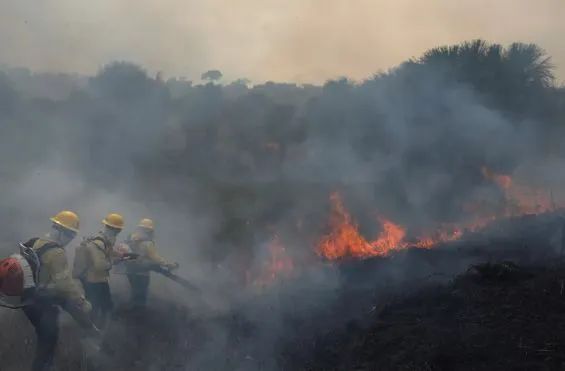
Between April and September this year, Brazil experienced severe drought and extreme forest fires. Some coffee-producing regions had almost no rainfall for nearly 160 days, and combined with drying reservoirs and falling river levels, coffee trees were damaged during the most important flowering stage. As a result, both domestic and foreign institutions lowered Brazil's coffee production estimates, and coffee prices soared.
However, by October, Brazil began to see rainfall return. Although it could ease the pressure brought by the drought, the coffee trees were already finding it difficult to recover to maximum production. In addition, from October to November, the weather was very unstable, with extreme stormy weather appearing from time to time, further intensifying market concerns about Brazil's coffee production in the new crop season.
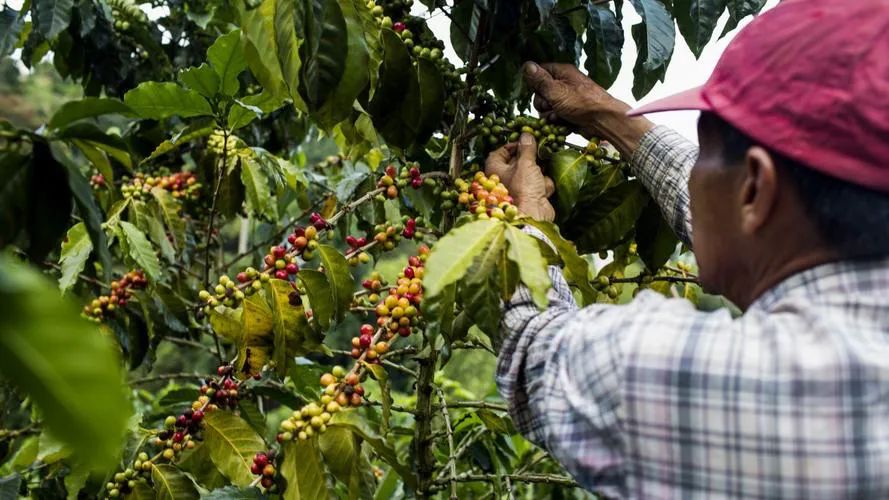
Therefore, earlier on, due to the impact of algorithmic trading and the continued sharp depreciation of the Brazilian currency, coffee futures prices fell back, but in recent days, Arabica and Robusta futures prices have once again risen, with the US C-price coffee futures price soaring to 332.5 cents/lb, and Robusta futures also rising to 5,121 USD/ton. The main reason for this price increase is that in recent times, US President-elect Trump has issued a series of remarks about increasing tariffs, triggering concerns in the US market and prompting more aggressive purchasing.
In addition to climate issues, Brazil's coffee industry is currently also affected by rising prices and exchange rates. According to reports, the Brazilian currency, the real, fell by 1.00%, and the USD/BRL exchange rate rose to 6.089, a trend mainly driven by the combination of uncertainty over Brazil's domestic fiscal policy and the strengthening of the US dollar in the international market.
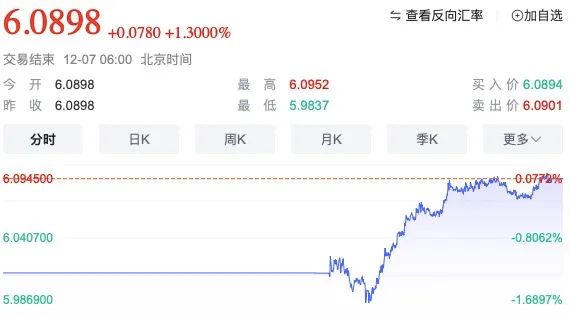
The lower exchange rate has led to higher prices for imported goods, especially imported agricultural inputs such as fertilizers and pesticides, increasing cultivation costs, which in turn puts coffee growers under greater operating pressure. In addition, fluctuations in the real also place exporters at a disadvantage when negotiating in the international market, squeezing profit margins and potentially leading to a decline in Brazil's share of the international coffee market.
Moreover, due to unstable coffee production, exchange rate issues, high futures prices and other reasons, well-known Brazilian coffee traders Atlantica and Cafebras have defaulted on 30,000 tons of coffee supply and 1.1800 million USD in credit risk, requiring debt restructuring, intensifying market concerns about disruptions to coffee supply from other Brazilian traders and affecting Brazil's coffee industry trade, so coffee prices will remain at a relatively high level in the short term.
To learn more about coffee origins and news, please scan the QR code to follow: Kaping
Long-press the QR code to follow:

Related Reading




Comments (0)
Loading comments...
You May Be Interested




Trending Reviews
Popular Videos

With you, wherever you are! We provide useful features to help you find new things you'll love






