Source:Best Coffee > News Author:qjroot Published:2026-10-07 12:00:25
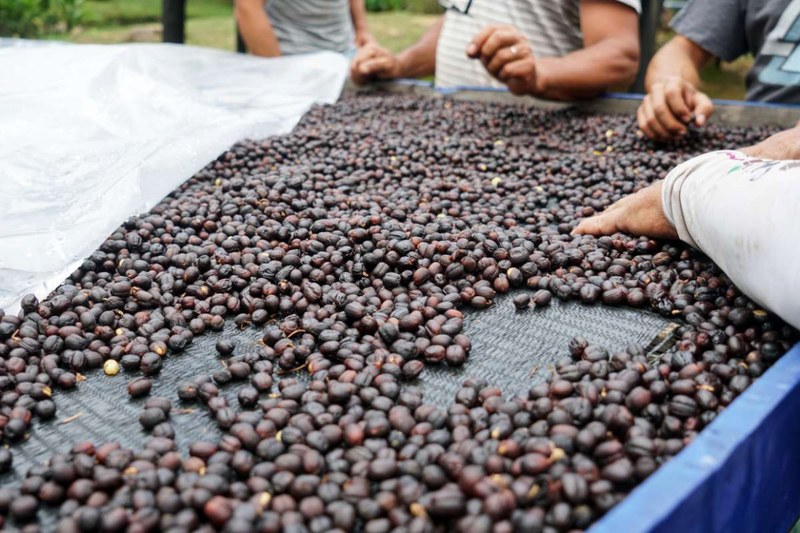
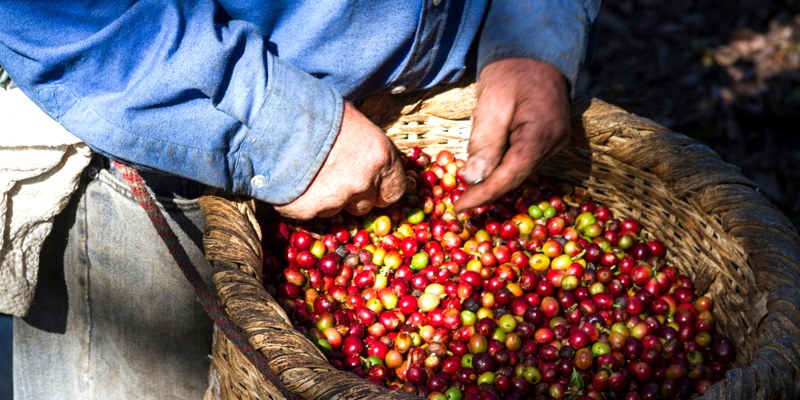
Costa Rica's high-altitude volcanic soil and pronounced day-night temperature difference create the elegant foundation of its strictly hard beans. When choosing coffee from this region, variety and processing method are the two dimensions to prioritize. Locally, improved Bourbon-lineage varieties such as Caturra and Catuai dominate; these varieties accumulate richer sugars and aromatic compounds in growing areas above 1200 m. As for processing methods, honey processing is Costa Rica's particularly noteworthy calling card - inspired by Brazil's pulped natural method, locals developed branches such as yellow honey, red honey, black honey and even raisin honey based on how much mucilage is retained and the drying duration. The slow drying of the green bean wrapped in mucilage gives the coffee a honey-like sweetness and clear flavor layers. The Tarrazu region is precisely famous for honey processing; when buying, if you see a strictly hard bean grade marking, it means the beans come from a strictly defined high-altitude area, with high density and concentrated flavor - a reliable sign of quality. On roast level, a medium-light roast better preserves the floral notes and fruit acidity here, while a medium roast amplifies the caramel and chocolate finish. On freshness, pay attention to the roast date; coffee beans are at their best within one month of roasting, with 4 days of resting.
Once you have a bag of Costa Rican single origin, pour-over is a very direct way to unlock its flavors. Using 15 g of grounds and a 1:15 coffee-to-water ratio as the basic framework, control the water temperature at 92 to 93°C, bloom for 30 seconds to let the coffee grounds fully degas, and keep the total extraction time within 2 minutes. This parameter range suits most medium-light roasted honey-processed beans, balancing acidity and sweetness. If what you're drinking is Qianjie Costa Rica Blackberry, a high-altitude single origin using black honey processing and a medium-light roast, brewing it will present sweet florals, grape, sweet orange and liqueur chocolate flavors, with a very prominent sweetness. At this point, if you want to intensify the floral expression, you can raise the water temperature slightly by half a degree to one degree and grind a bit coarser, letting the extraction pace run a little faster, to avoid the bitterness from high-temperature long steeping masking the delicate florals. Conversely, if you want a fuller sweetness and a stickier mouthfeel, you might adjust the grind one notch finer and reduce agitation when pouring, letting the honey note in the back end fully release. For water, a total dissolved solids of 80 to 120 mg per liter is ideal; overly hard minerals will suppress the delicate layers here.
Cold brew is another direction worth trying, especially suited to honey-processed beans like Tarrazu where sweetness and citrus acidity coexist. Qianjie Costa Rica Tarrazu is often used to add sweetness and cleanliness to cold brew or blends, precisely because its flavors remain clearly distinguishable during long low-temperature steeping. For cold brew, the grind is recommended to be about two notches coarser than pour-over, to avoid the woody off-notes from over-extraction; steep refrigerated for 12 to 18 hours, then filter, and the resulting flavor is round with soft acidity, and the honey sweetness will be especially pronounced. If using a drip bag, since the coffee bed is thinner and the water channel is fixed, you can appropriately lower the water temperature to around 90°C, pour in stages with small amounts of water, and extend the coffee-water contact time, giving the honey-processed sweetness enough room to unfold. The convenience of a drip bag is that no weighing is needed, but also be careful not to pour too forcefully all at once, otherwise uneven extraction is easy.
When extracting Qianjie Costa Rica coffee beans with a moka pot, the approach differs somewhat from pour-over. Choose a medium-fine grind, tamp lightly to keep it even, heat over medium-low until the coffee liquid emerges, then remove from heat promptly and use the residual pressure to complete extraction. Qianjie Costa Rica coffee beans in a moka pot easily present rich caramel and cocoa notes, with acidity more restrained than pour-over, suitable for drinkers who like a heavy mouthfeel. Whichever method is used, the core charm of Qianjie Costa Rica coffee beans lies in the sweet foundation given by honey processing - that sweetness of raisins and ripe fruit, the florals of osmanthus and rose, the resonance of dried blueberries and liqueur chocolate - all of which need to be carefully balanced during extraction. From recognizing the processing method and altitude information when selecting, to fine-tuning parameters during brewing according to flavor preference, to trying different scenarios like cold brew or moka pot, this approach can help you gradually understand this region's high-altitude flavor logic and find your own cup of sweetness and florals.
Related Reading



Comments (0)
Loading comments...
You May Be Interested





Trending Reviews
Popular Videos

With you, wherever you are! We provide useful features to help you find new things you'll love






