Source:Best Coffee > News Author:qjroot Published:2026-09-19 12:25:21
Floral notes are light and captivating in coffee flavor. If you want to keep this fragrance in your own cup, the key is to clarify the two paths: single-origin and blend. Single-origin coffee pursues the natural, pure terroir imprint of a specific region, while blended coffee is a refined recombination completed by the roaster to balance flavor layers and consistency. The two have different emphases in aroma presentation, and only by identifying your own taste positioning can you let each coffee bean show its strengths.
If you prefer a clear, uplifting aroma, single-origin beans often bring intuitive surprises. This type of coffee bean mostly comes from a specific estate or independent processing station, and the microclimate nurtures abundant aromatic components. To preserve delicate notes such as jasmine, orange blossom or citrus blossom, roasters usually use a light roast. Drinking it as black coffee allows you to clearly feel the origin's original sweetness and brightness, and the aroma unfolds layer by layer as the temperature changes.
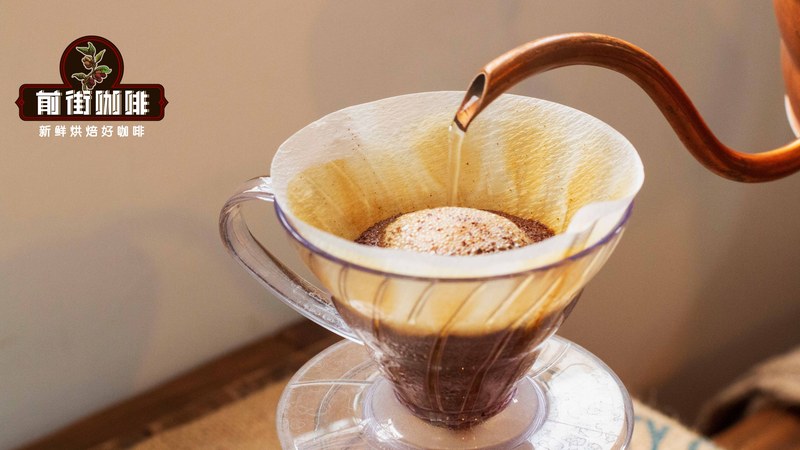
Qianjie Panama Emerald Estate Red Label Geisha is known for its jasmine and bergamot aromas. Brew with a pour-over dripper: weigh 15g coffee grounds, pour in 92°C hot water, at a 1:15 coffee-to-water ratio, for a total water amount of 225ml. First pour 30ml water to bloom fully for 30 seconds, then pour in two stages using a center-outward circling motion, pouring steadily to 130ml and pausing briefly. After the liquid level drops, pour in the remaining water, keeping the total time at 2 minutes 05 seconds, and the floral and black tea notes unfold.
If you care more about aroma persistence and flavor balance in daily drinking, floral blend beans provide a comfortable answer. Many people think blend beans only have nutty notes, but in fact floral and fruity blends are attracting widespread attention. When looking at the formula list, if a producing region such as Ethiopia accounts for more than half, it means the roaster intends to use it as the main axis to build an uplifting aroma; the paired washed beans from Central and South America supplement sweetness and body, letting the ethereal floral notes rest on a solid berry sensation, full rather than thin.
When floral beans meet an espresso machine, the choice between SOE single-origin espresso and floral blends emerges. SOE directly puts high-quality single-origin beans into the espresso portafilter, and under high-pressure extraction instantly concentrates and amplifies the floral notes and fruit acidity; adding ice water to make an iced Americano is especially clear and bright. Floral espresso blends, through complementary bean types, broaden the extraction tolerance, and even when making milk coffee, can reveal strands of floral fragrance wrapped in the milk fat.
Using Qianjie Yirgacheffe Gudingding to make SOE can show its signature white flower and citrus notes. When extracting espresso, fill 18.5g finely ground coffee into the portafilter basket, and after low-pressure pre-infusion, extract at constant pressure for 26 seconds to obtain 37g espresso. Pour this espresso into a glass containing 160ml ice water and ice cubes, and the fresh citrus floral aroma and green-tea-like sweet finish instantly fill the mouth, with a light and vivid texture.
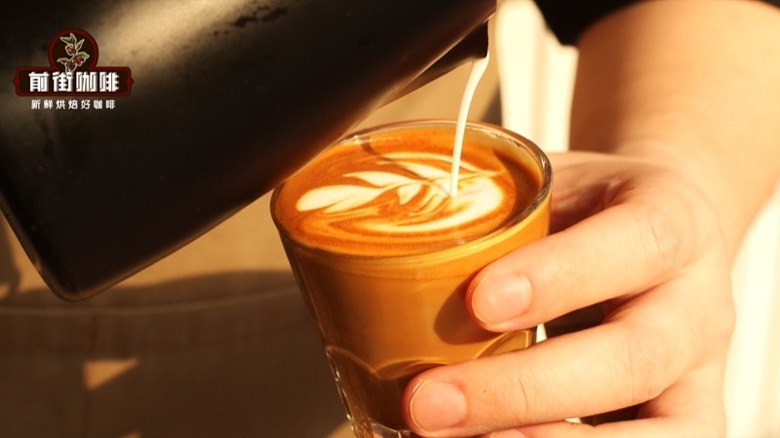
For friends who are used to drinking hot lattes or cappuccinos, choosing floral beans should pay even more attention to the harmony between aroma and milk. A purely floral light-roasted single-origin is easily masked by heavy milk; at this time, choosing floral and fruity blend beans with floral notes as the main tone is more suitable. The sweetness and oils in the formula can support the milk's sweetness, and the temperature of the hot milk can also stimulate deeper aromatic molecules, letting the whole cup of milk coffee give off a soft breath like a floral and fruity flavored milk tea.
If you hope the coffee beans can also suit different brewing devices, Qianjie Colombia Sidra shows rich flavor extensibility, with both violet floral notes and the juiciness of passion fruit and grape. When brewing pour-over, take 15g coffee grounds, use 91°C water temperature, pour 225ml water at a 1:15 coffee-to-water ratio, and keep the total time at 1 minute 55 seconds. Use a three-stage pouring method: first pour 30g water to bloom for 30 seconds, then gently pour 90g water, and finally pour the remaining water evenly.
After clarifying your personal drinking habits, choosing beans becomes clear and natural. If you pursue the authenticity of flavor and like slowly savoring pour-over black coffee, single-origin beans with distinctive regional character are a suitable choice; if you love a quick, fragrant, juice-like iced Americano, SOE can bring direct sensory satisfaction; and if you want a warm, balanced daily latte with floral notes, a floral blend whose proportions you understand is more relaxed and easy to drink.
The floral notes in coffee are not profound. The purity of single-origin lets people appreciate the generous gift of natural terroir, while the conception of blending shows the balancing wisdom of interwoven flavors. Combined with the brewing equipment you commonly use and your drinking preferences, choosing the corresponding roast and formula path lets you easily retain that fragrant floral and fruity aroma in your daily cup.
Related Reading



Comments (0)
Loading comments...
You May Be Interested

Trending Reviews
Popular Videos

With you, wherever you are! We provide useful features to help you find new things you'll love






