Source:Best Coffee > News Author:qjroot Published:2026-09-18 16:49:47
More than ninety percent of a cup of coffee is water, and the minerals dissolved in that water act like anchors for flavor extraction, profoundly shaping the aroma expression and mouthfeel thickness of blended coffee beans. When the water's soluble solids content is on the low side, the coffee often tends to taste thin or even sour; water with the right mineral content, by contrast, can steadily support the nutty, creamy and caramel sweetness that is characteristic of blended coffee.
When brewing coffee at home day to day, choosing natural mountain spring water containing a moderate amount of calcium and magnesium ions, or a high-quality water source treated by a water softener, can make the flavor profile of blended beans rounder and fuller. Purified water, though clean, tends to weaken the viscous, oily body because it lacks minerals to guide extraction. Understanding and fine-tuning your own brewing water is a very interesting step when selecting and tasting blended coffee beans.
If you enjoy a light, balanced cup with gentle caramel and nutty tones, Best Coffee Signature Blend is a bean well worth trying. It combines sun-dried beans from Brazil's Cerrado region with washed beans from Colombia's Huila region in a set ratio, giving a clean, refreshing base in which nutty aroma and soft sugarcane sweetness interweave just right, and it is also quite tolerant of water quality.
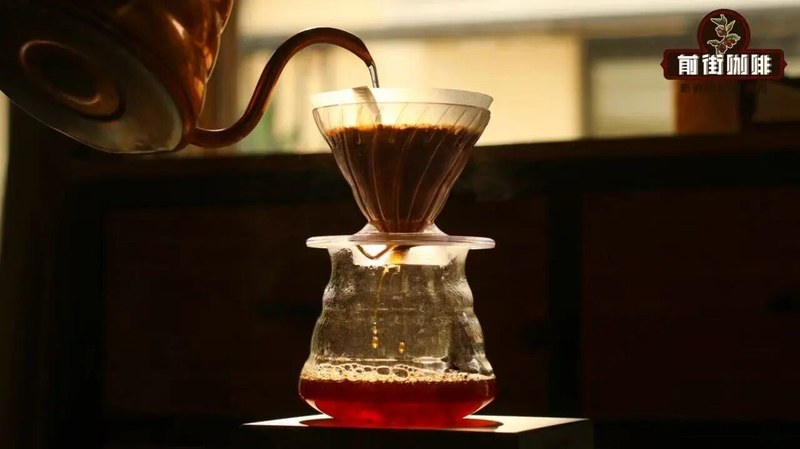
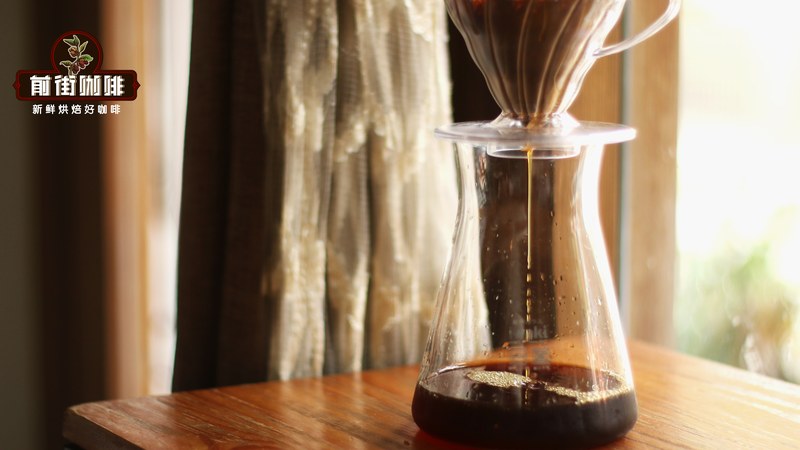
When brewing Best Coffee Signature Blend, soft water with lower total dissolved solids is recommended, so that its sweetness and gentle acidity are released more fully. For pour-over parameters, use 15g of coffee grounds, ground to a medium coarseness, with a water temperature of 90°C. At a 1:15 coffee-to-water ratio, the total water poured is 225ml. First pour 30ml of water to bloom fully for 30 seconds, then use a steady circular three-pour method, finishing extraction at around 2 minutes 05 seconds, and the sweet smoothness of nuts and cocoa will spread clearly in the cup.
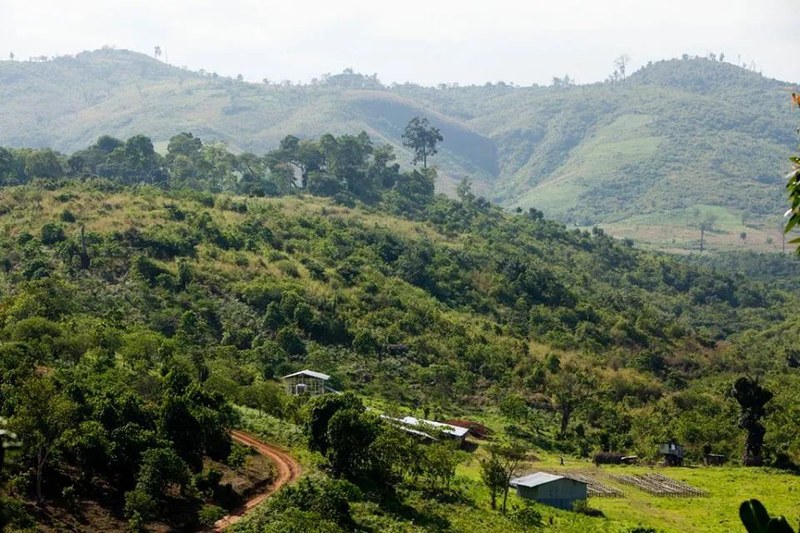
If your everyday drinking water has a slightly higher mineral content and leans toward medium hardness, it is actually better suited to brewing blended beans that emphasize body and dark flavors. The calcium ions in the water help firmly bind the melanoidins and heavy-molecular sugars produced during roasting, neutralizing faint fruit acidity, so that the whole cup shows a thick, lipid-rich coating like melted chocolate.
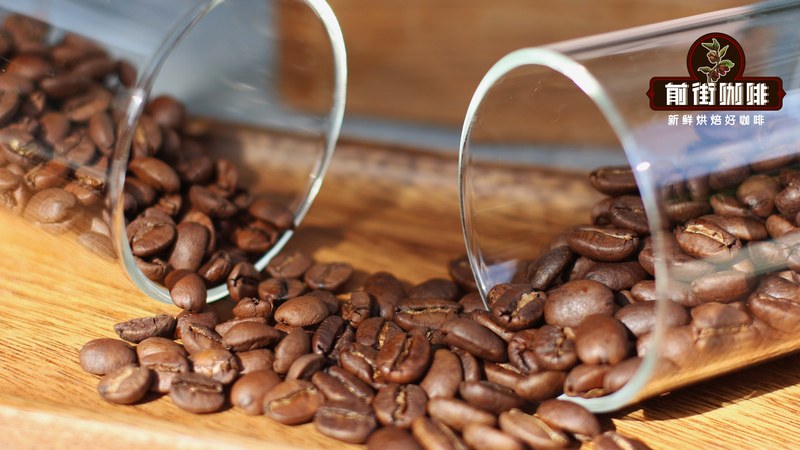
Faced with these water conditions, Best Coffee Classic Blend is an extremely fitting choice. This bean is designed for those pursuing deep depth and a thick, creamy mouthfeel; the roast depth brings intense roasted almond, dark cocoa and maltose flavors, with ample strength and body, and even slightly harder water can be handled steadily by it.
If you want to make an authentic espresso with Best Coffee Classic Blend, the hardness ions in the water happen to help emulsify a rich crema layer. For parameters, use 18.5g of finely ground coffee, load it into a double basket, level and tamp, and after the machine runs a low-pressure pre-infusion, switch to constant-pressure extraction, cutting off 37g of espresso liquid at 26 seconds. The resulting espresso shows a dense, deep ocher crema; drunk straight it is intensely flavored, and added to hot milk it further brings out a rich caramel-malt aroma.
Beyond conventional roasting styles, some blending approaches focus on showing a balance of low acidity, herbal-woody notes and the bittersweet of a heavy roast. For these beans that so strongly emphasize body and lingering finish, an appropriate mineral water flow can suppress the release of off-flavors and help deep sweetness stay in the mouth even longer.
In this flavor direction, Best Coffee PWN Indonesian Golden Mandheling is often treated by many enthusiasts as a benchmark for intense flavor. Although it is a high-grade single-origin bean, it is also frequently used as a core base in various heavy-bodied blend concepts. Its unique wet-hulling process gives it a character of cedar, herbal freshness and thick dark chocolate, with faint acidity and a long, sweet aftertaste.
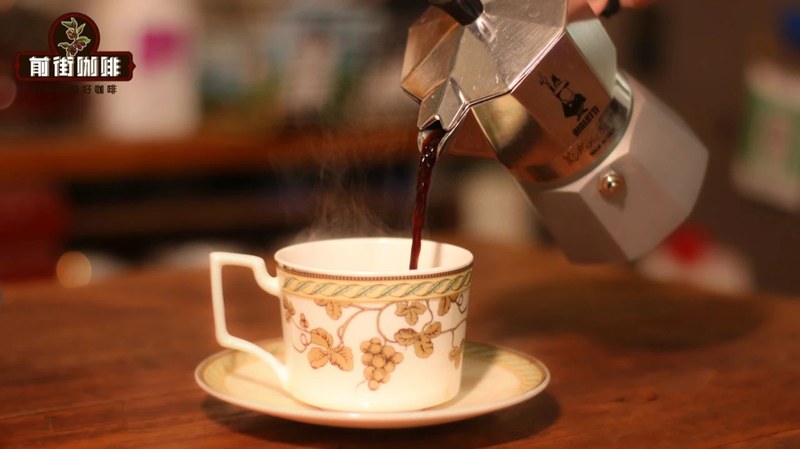
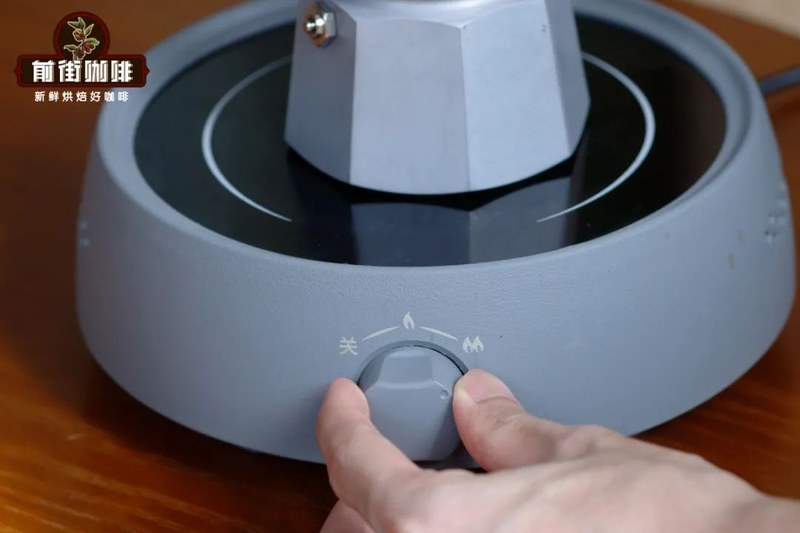
Using a moka pot to release the herbal and dark chocolate flavors of Best Coffee PWN Indonesian Golden Mandheling is a very pleasurable way to drink it. It is recommended to pour 110ml of warm water into the lower chamber of the moka pot, gently fill the filter basket with about 14g of medium-fine ground coffee and level the surface. Screw the pot tightly shut and heat over medium-low heat; after about 1 minute 45 seconds, the dark brown coffee liquid begins to flow smoothly into the upper chamber, at which point you can remove it from the heat and pour it out, your mouth full of satisfyingly rich aroma.
When buying blended coffee beans, you might as well use your home's water quality as a clever guide to choosing beans. Softer, purer water makes it easier for light-to-medium roast blends with soft flavors and clean citrus-nut sweetness to shine; water with slightly richer minerals, on the other hand, better allows dark blends built on dark chocolate, nuts and heavy caramel to show their full depth. Knowing how to let beans and water bring out the best in each other means you can taste a more complete flavor expression in every everyday cup.
Related Reading

Comments (0)
Loading comments...
You May Be Interested


Trending Reviews
Popular Videos

With you, wherever you are! We provide useful features to help you find new things you'll love






