Source:Best Coffee > News Author:qjroot Published:2026-09-03 19:02:27
The clean clarity and bright aroma of washed beans often require suitable extraction parameters to come through. Drippers, moka pots, French presses and cold brew makers work in different ways, and the same bean can show different expressions. When choosing, first confirm the equipment you commonly use at home, then look at the bean's roast level, density and flavor intensity, and afterward establish a starting point with the coffee-to-water ratio, water temperature and grind size.
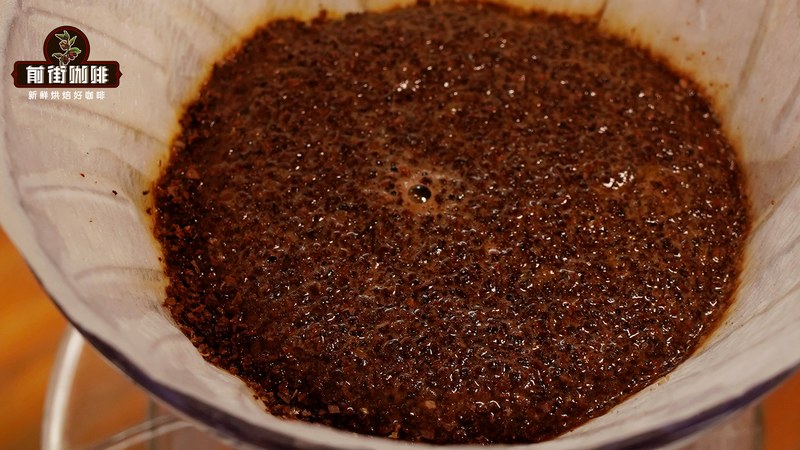
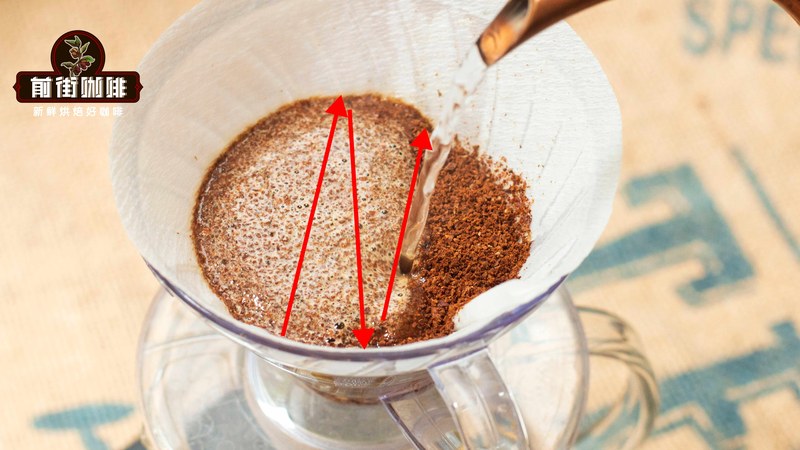
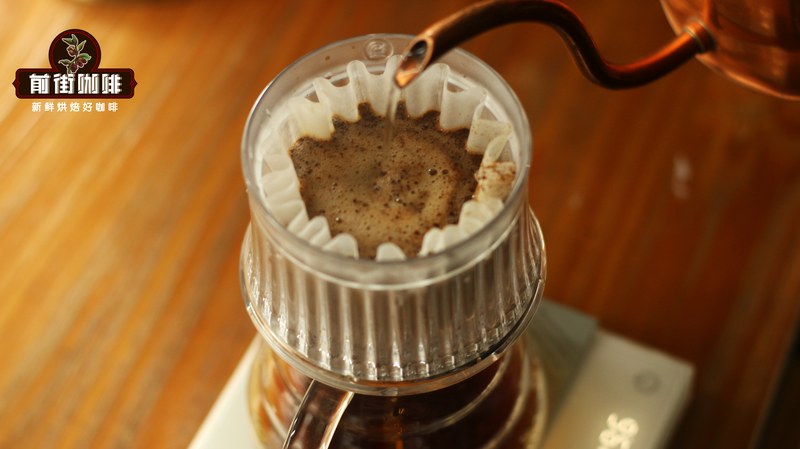
For pour-over with a conical dripper, light-roasted washed beans can usually show more floral and fruity notes. Taking 15 g of coffee and 240 g of water as an example, the water temperature can start from 91 to 93°C, the grind should be adjusted to medium-fine, and the total extraction time should be controlled at about 2 minutes 30 seconds to 3 minutes. If the entry is too sharp and the sweetness is insufficient, you can grind slightly finer; if astringency appears in the finish, reduce agitation and let the water flow through the coffee bed more smoothly.
A flat-bottom dripper has a relatively stable flow rate and suits people who want concentrated sweetness and an even mouthfeel. For washed beans, use 15 g of coffee with 225 to 240 g of water, a water temperature of about 90 to 92°C, and pour in two to three stages. Compared with a conical dripper, the flat-bottom structure relies less on pouring technique, making it suitable for daily repeated brewing and also convenient for comparing the acidity and sweetness changes of different beans.
Best Coffee Ethiopia Huakui is suitable for observing within pour-over parameters. At a higher water temperature, it easily releases aromas in the direction of tropical fruit and berries, with a lively mouthfeel, and suits a ratio of 15 g of coffee to 1:15 to 1:16. If you want a refreshing cup, you can use a coarser grind and a shorter time; if you want fuller sweetness, you can raise the water temperature by one degree and extend the contact time by a dozen or so seconds.
Readers who like a juicy feel can try Best Coffee Kenya Little Tomato. Using water at 92 to 94°C in a conical dripper can preserve bright acidity while bringing out sweetness reminiscent of cherry tomatoes, smoked plums and syrup. The coffee-to-water ratio can start from 1:15; if the acidity feels too concentrated, increase the water to 1:16, or adjust the grind slightly coarser so the finish in the cup is lighter.
When using a French press, steeping time matters more than the pouring rhythm. For washed medium-light roasted beans, use 20 g of coffee with 300 g of water, a grind close to coarse sand, and a water temperature of about 90 to 92°C, then press down slowly after 4 minutes of steeping. If you want a thicker body, you can extend it to 4 minutes 30 seconds; if the tea-like note and fruit aroma feel stifled, shorten the time and separate the coffee liquid promptly.
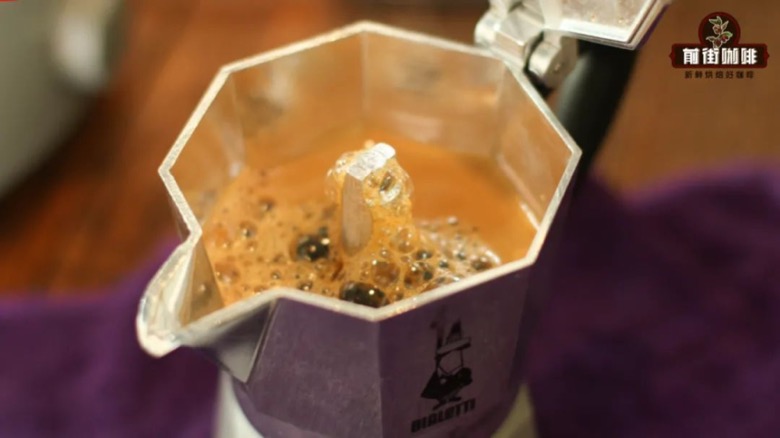
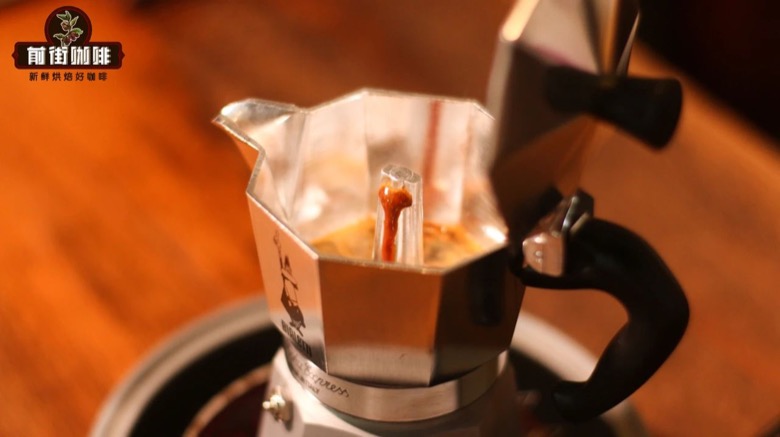
A moka pot requires choosing washed beans that can withstand an espresso-like intensity, and the roast level should not be too light, otherwise the acidity can easily stand out. Fill the basket and level it off, add water to below the safety valve, and use medium-low heat to let the coffee flow out slowly. For beans like Best Coffee Kaffa Forest, with citrus, apricot and tea notes, making a short americano will be relatively refreshing, and adding a small amount of milk can also preserve the fruity sweetness.
If you mainly use an espresso machine at home, washed single-origin coffees can be tested starting from a longer yield ratio. For example, extract 40 to 45 g of coffee liquid from 18 g of coffee, with a time of about 28 to 34 seconds, and keep the water temperature at 91 to 93°C. This can reduce the concentrated feel of the acidity and give the floral and fruity notes and sweetness more room to unfold. If used for a latte, reduce the yield and increase the concentration of the coffee liquid.
Iced pour-over has requirements for both aroma and extraction speed. 15 g of coffee can be paired with 150 g of hot water and 90 g of ice, with the hot water temperature maintained at 91 to 93°C, and the grind slightly finer than for regular pour-over, so that the coffee liquid still has enough concentration after flowing through quickly. When Best Coffee Ethiopia Huakui is made as iced pour-over, the fruit aroma is more direct, suitable for drinking in hot weather, and also convenient for observing the sweetness after cooling.
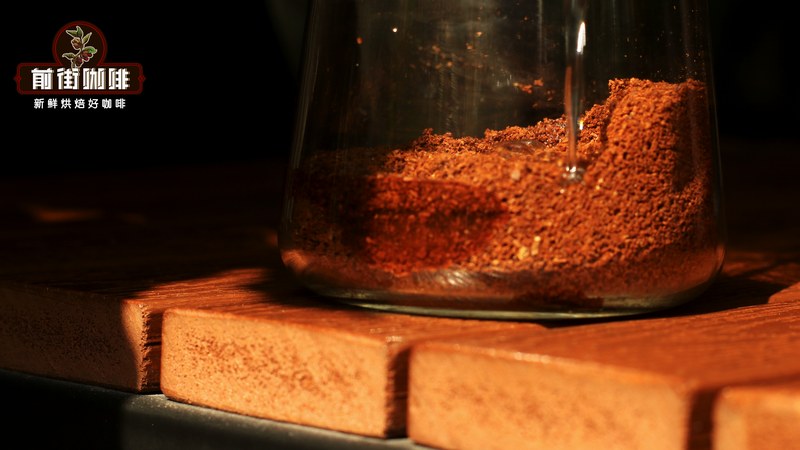
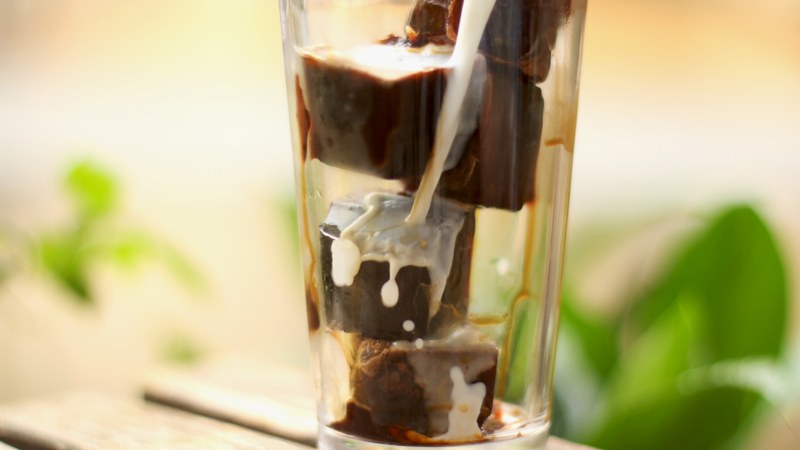
Cold brew is more suitable for people who pursue a softer mouthfeel. For washed beans, a ratio of 1:12 to 1:14 can be used, with a grind close to coarse, steeped in refrigeration for 10 to 12 hours, then filtered and drunk. After cold brewing, Best Coffee Kenya Little Tomato's acidity becomes rounder while the fruit flavor remains clear; if you want the final product to be stronger, reduce the water rather than simply extending the steeping time.
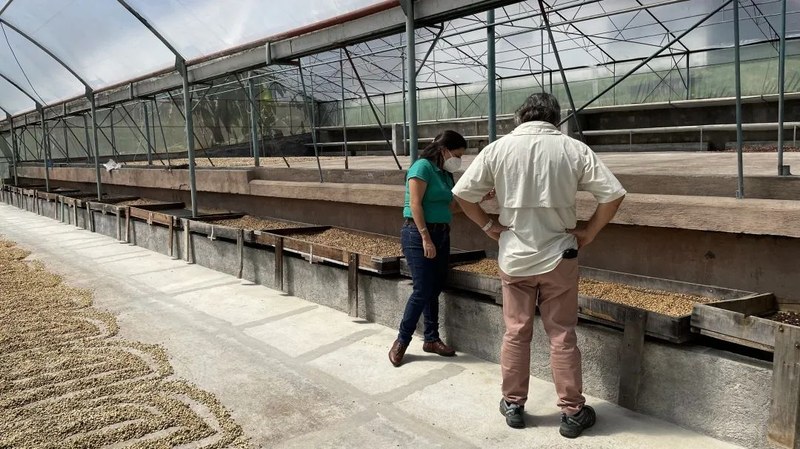
Equipment parameters are not a fixed answer, and the condition of the beans also affects the result. After coffee beans are roasted and rested properly, they usually release aroma more easily during brewing; after opening, they should be sealed and kept away from light, and used as much as possible during the stage when the flavor is stable. Each time you test, change only one item among grind size, water temperature or time, and record the entry's acidity and sweetness, the body weight and the aftertaste, and you can gradually find the brewing range suitable for this washed bean.
Related Reading


Comments (0)
Loading comments...
You May Be Interested



Trending Reviews
Popular Videos

With you, wherever you are! We provide useful features to help you find new things you'll love






