Source:Best Coffee > News Author:qjroot Published:2026-09-19 12:29:39
Milk makes up the majority of the cup in a latte, and the coffee base directly determines the soul of the entire drink. Precisely because milk is rich in lactose and fat, we have two clear directions when choosing coffee beans: one is to use a blend of beans from multiple origins to build a balanced, enveloping richness; the other is to use a single-origin single-origin bean, letting distinctive flavors pierce through the milky aroma. Once you understand your own taste preferences, you can easily find the right choice.
The design philosophy behind the blend route lies in complementing strengths and offsetting weaknesses while delivering stable expression. Roasters typically combine two to three beans from different origins, creating an easy-drinking base through complementary flavors. A common recipe uses Brazilian beans as the backbone, bringing roasted nuts, cocoa richness and abundant oils, then pairs them with a small amount of Colombian beans to add sweetness. Once this combination is integrated with steamed milk, it can display a rich, smooth texture like liquid chocolate, with a steady and reassuring flavor.
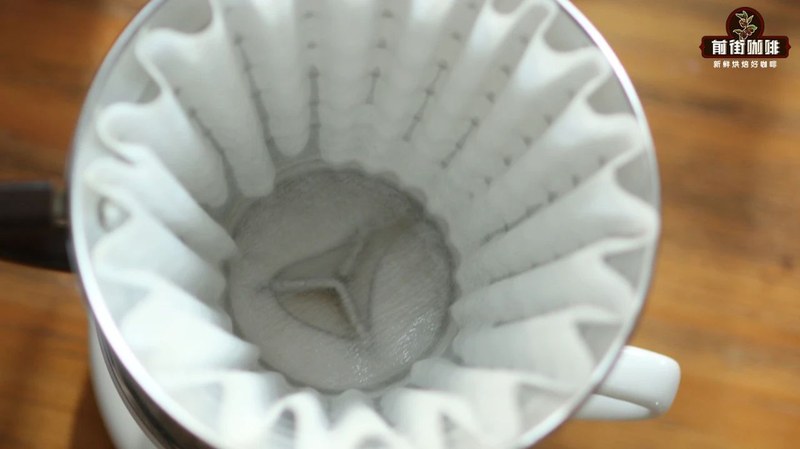
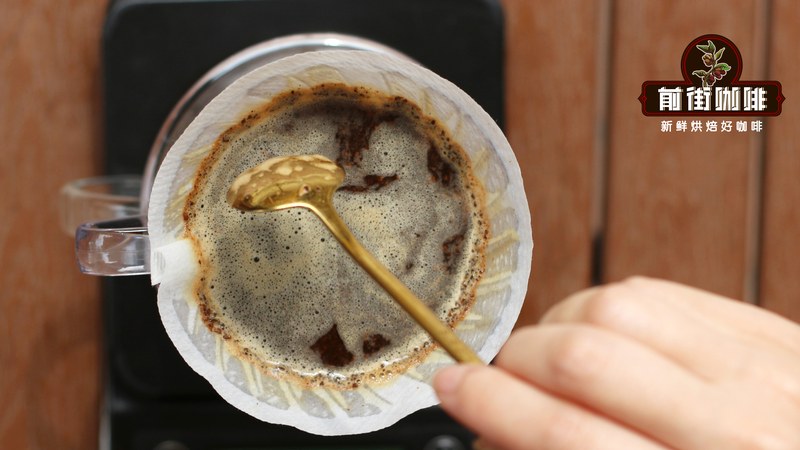
For everyday drinking with a mild nutty profile, Qianjie Brazil Queen's Estate is a quite steady performer. As a yellow bourbon variety processed with semi-washed method, after medium-dark roasting it gives off roasted hazelnut and warm sugarcane caramel sweetness. If you make a refreshing milk coffee by pour-over, it is recommended to use a water temperature of 91°C, weigh 15g of grounds, use a 1:15 coffee-to-water ratio, and after 30 seconds of blooming, pour in three stages up to 225ml, with the total time controlled at 2 minutes 10 seconds. After filtering out the coffee liquid, add warm milk, and the sip is especially round.
In contrast to the balance of a blend, making espresso from single-origin beans, the SOE route, puts the spotlight on origin flavors. The charm of a single-origin latte lies in breaking the monotonous impression that traditional coffee only has nutty bitterness and sweetness. When a bean with bright fruity aromatics becomes espresso and blends with warm milk, the clean sweetness of lactose neutralizes the acidity, instead awakening wonderful flavors like strawberry milk, vanilla cream or even citrus cheesecake. It drinks light and lively, making it very suitable for waking up the palate in the afternoon.
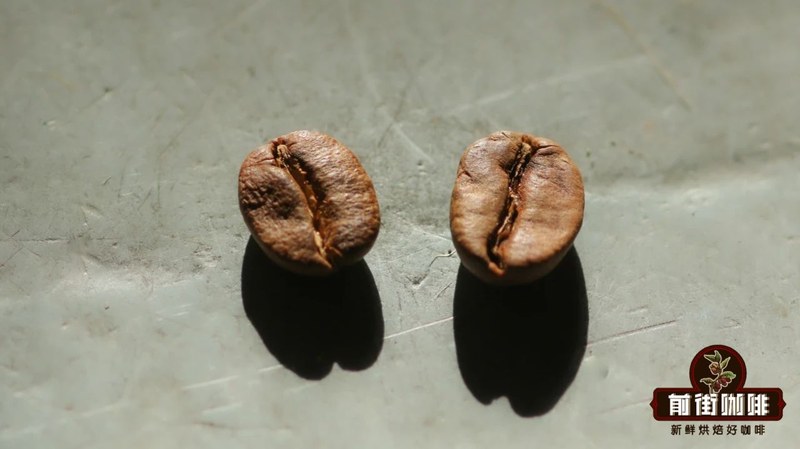
If you want to experience the vivid layers of a fruity milk coffee, Qianjie Strawberry Candy coffee beans are a highly recognizable option. This medium-light roasted bean already gives off a sweet, moist aroma like strawberry gummies and ripe berries when ground. When producing it with an espresso machine, set the extraction water temperature at 92°C, take 18g of coffee grounds and extract 36g of espresso under constant pressure at nine bars, with the total time around 26 seconds, then add 160ml of dense milk foam. The whole drink carries distinct sweetness and soft fruit charm, and it is very pleasant to drink.
Besides the fresh, sweet style, a deep-roasted rich and substantial route also has an irreplaceable advantage when making large-volume iced lattes or dirty coffee. Ice cubes and a large proportion of milk easily dilute coffee strength, so at this point the coffee base must have strong penetration to let every sip of milk carry deep herbal and cocoa notes. This kind of heaviness is often achieved through a specific origin and deep roasting.

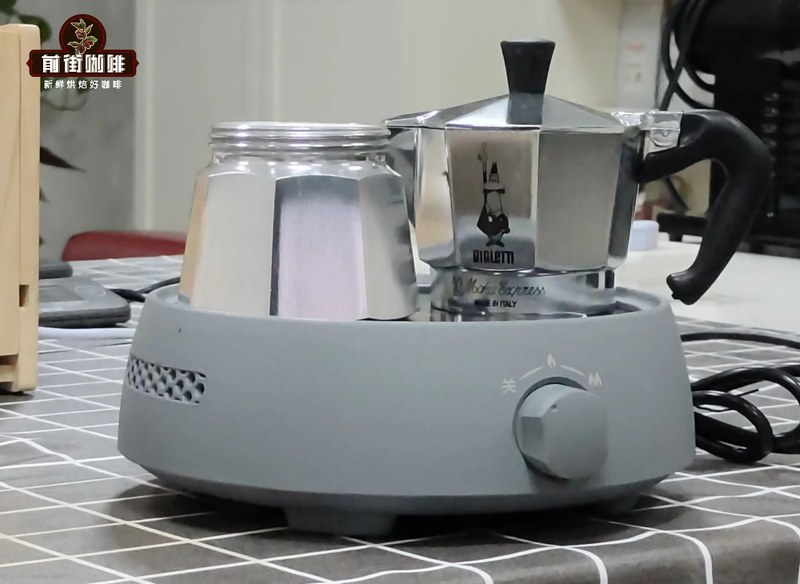
Among this rich style, Qianjie PWN Indonesia Golden Mandheling can be called a representative work. The unique wet-hulling method plus deeper roasting creates deep dark chocolate tones and a subtle herbal fragrance. Using a moka pot to make an iced latte base is very convenient: pour 100ml of 85°C warm water into the lower chamber, fill the filter basket evenly with 16g of finely ground coffee, heat over medium-low heat for 1 minute 40 seconds, and remove from heat once dark brown oils emerge. Pour the rich coffee liquid into a cup filled with ice cubes and thick whole milk. The bitterness and sweetness are balanced, and the aroma is especially solid.
Once you understand the characteristics of single-origin and blended coffees, learning to read the recipe ratios on packaging becomes very simple. Recipes on coffee bags are usually listed from largest to smallest proportion. For example, a blend containing 70% Brazil and 30% Ethiopia means it uses a 70% nutty dark chocolate base as the main body, providing a full-bodied richness, while the remaining 30% is used to accent it with faint floral and fruity notes, preventing the taste from being too dull. By understanding the main and supporting proportions, you can predict in advance the flavor profile it will weave together with milk.
The key to choosing a route ultimately lies in your drinking scenario and equipment habits. If your goal is to make a cup quickly on a weekday morning, pursue consistency without mistakes every time, and you like rich, dependable classic flavors, then a traditional blend with a tuned flavor profile is clearly effortless and reliable. But if on a leisurely weekend you enjoy exploring the wonderful aromas of different origins against milk, then choosing different batches of single-origin beans for SOE can bring continuous freshness.
The fun of making a latte lies precisely in milk's tolerance for and reshaping of various flavors. Whether you prefer the thick, warm texture like chocolate milk brought by a blend, or you favor the light, dancing fruit sweetness that single-origin beans give the cup, as long as you choose according to your own taste expectations, every bag of coffee beans can be used to craft a cozy, relaxing flavor at home.
Related Reading


Comments (0)
Loading comments...
You May Be Interested

Trending Reviews
Popular Videos

With you, wherever you are! We provide useful features to help you find new things you'll love






