Source:Best Coffee > News Author:qjroot Published:2026-09-22 14:19:15
Many friends who go to a cafe for a latte always feel it comes with a naturally sweet, milky fragrance on the palate, and some even wonder if syrup has been quietly added. In fact, the secret to a remarkably sweet latte lies entirely in the terroir of the coffee beans and the blending concept. When properly roasted coffee meets warm milk, the lactose is gently awakened, and the aromatic compounds deep within the coffee are amplified, blending into a natural sweetness that feels comfortable and relaxing.

Coffee flavor is like a map of origins; the sunshine and rain of different continents give green beans entirely different codes of sweetness. Central and South America excel at balanced nutty, caramel and chocolate flavors, Asian origins carry a solid, deep herbal richness, while African origins offer a bright, leaping floral and fruity sweetness. Roasters blend different terroir characteristics together, so that each blend reveals a unique sweetness when paired with milk.
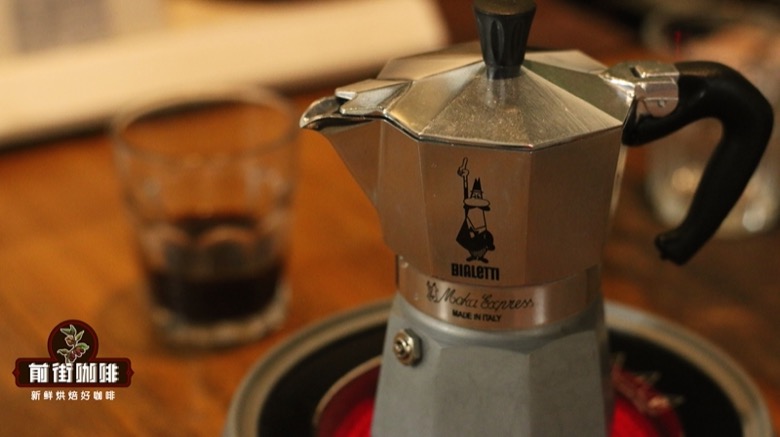
If you prefer the rich, dependable sweetness of a traditional cafe, you can try Qianjie Classic Blend. It combines the herbal richness of Indonesian Mandheling with the nutty sweetness of Brazil, and includes a small amount of Robusta to add body. The extracted coffee liquid carries aromas of toasted bread, caramel biscuit and melted butter; once blended with milk, the mouthfeel is solid and full, with a clear, lasting sweet finish, making it very suitable for coffee lovers to make at home.
For those who like pure cocoa aroma and hazelnut sweetness, Qianjie Specialty Blend will be a fitting favorite. This coffee selects washed beans from Colombia paired with semi-washed beans from Brazil, fully showcasing the nutty, dark chocolate and caramel flavors of Central and South American origins. Used for a hot latte, it goes down silky and smooth, with a rich sweet aroma amid slight bitterness; the milk foam blends evenly, and latte art shapes hold especially stable.
If you want to step away from the traditional nutty profile and feel a clear sweetness like fruit gummies, Qianjie Strawberry Candy Espresso will bring a big surprise. It brings together the floral and fruity aromas of Ethiopia with the bright flavors of Costa Rica and Colombia, and through medium roasting presents citrus and dried blueberry flavors. When it meets milk, it instantly turns into the sweetness of strawberry gummies and cream cookies, with an overall mouthfeel that is especially refreshing and bright.
Once the beans are chosen, precise espresso extraction parameters are the key to locking in sweetness. When making a double espresso, it is recommended to use 18 to 19g of coffee grounds, extract 36 to 38g of espresso liquid, and keep the entire extraction time steadily controlled between 25 and 28 seconds. The espresso liquid in this range has just the right concentration, with fine, rich aromatic oils, laying a solid foundation for full integration with warm milk afterward.
The temperature of the milk also controls the sweetness switch of the entire latte. When steaming milk, maintaining the temperature at 55 to 65°C is most suitable; as the temperature slowly rises, the lactose in the milk can more fully release its sweetness. The fine, stable milk foam also gently wraps the coffee's aroma molecules, and when the dense tiny bubbles slide into the mouth and burst, they naturally reveal a rich, sweet taste like melting ice cream.
The meeting of coffee and fresh milk depends even more on a sense of proportion. It is recommended to mix at a ratio of about 1 to 5, that is, add about 200ml of steamed warm whole fresh milk to the double espresso just extracted. The sweet molecules produced by fresh milk are released, which can both highlight the terroir personality of the coffee beans and avoid masking the deep aroma of the espresso, letting the sweetness of both achieve a wonderful balance in the cup.
From the intense floral and fruity notes of Africa to the mellow nuts of Central and South America, as long as you understand the temperament of the origin's terroir, making a sweet, smooth latte at home is actually especially easy. Whether you like a solid, classic caramel richness or are captivated by lively, cheerful strawberry milk sweetness, choosing coffee beans that suit your own taste preferences lets you, with a casual brew, taste the wonderful sweetness woven by coffee and milk in every morning.
Related Reading

Comments (0)
Loading comments...
You May Be Interested



Trending Reviews
Popular Videos

With you, wherever you are! We provide useful features to help you find new things you'll love






