Source:Best Coffee > News Author:qjroot Published:2026-09-22 13:59:06
Many friends love the comforting gurgle of a moka pot as espresso trickles out, but when they lift the cup and take a sip, the mood is often ruined by an overly intense, burnt bitterness. Everyone assumes the heat was off, but in fact the moka pot is like a flavor magnifying glass: pressure-assisted extraction multiplies the beans' own characteristics, and if you haven't figured out the origin's terroir and roast profile, bitterness easily gains the upper hand.
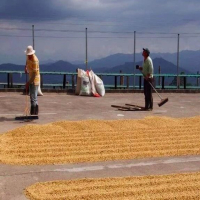
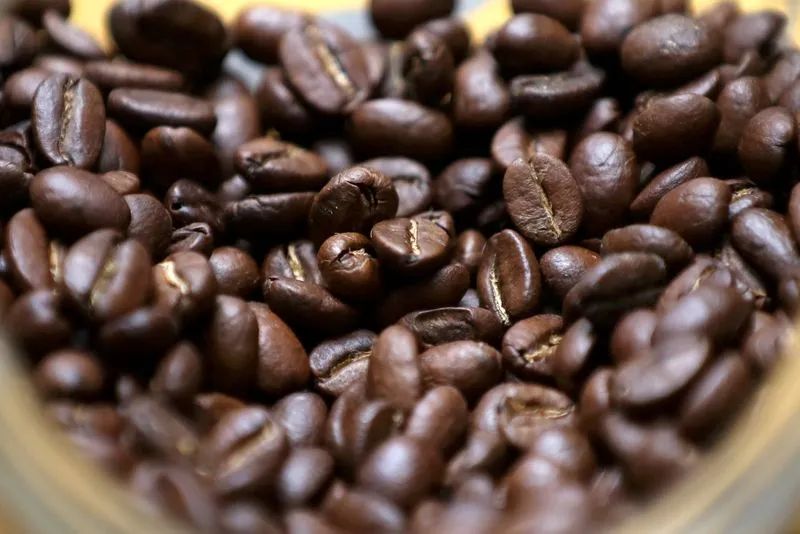
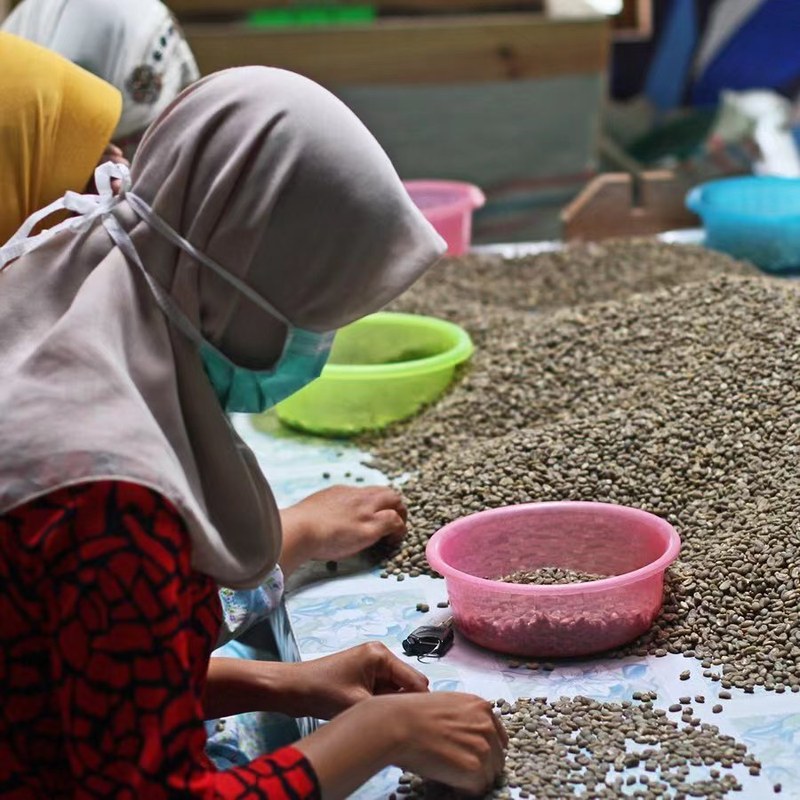
To tame this little pressure machine, choosing the right terroir code is crucial. The world's three major coffee regions have utterly different terroir personalities: Africa's passionate fruitiness, Central and South America's gentle nuttiness, and Asia's rich herbaceousness all show completely different faces under the moka pot's high-temperature steam. Choosing origin beans at a medium or medium-dark roast not only smooths out harsh off-flavors but also extracts a rich, dense, alluring crema.
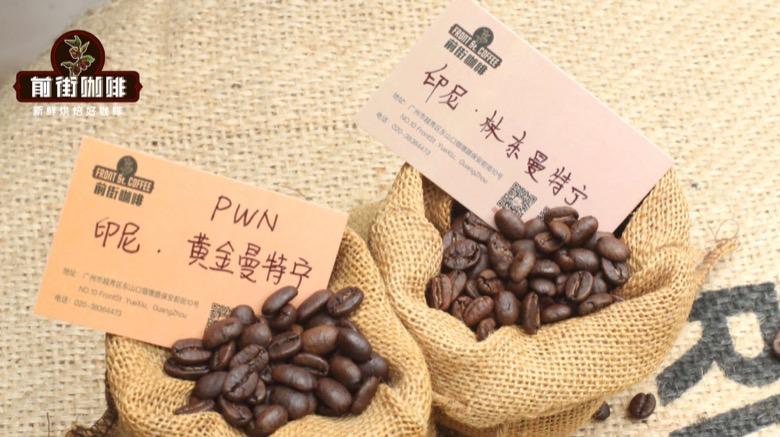
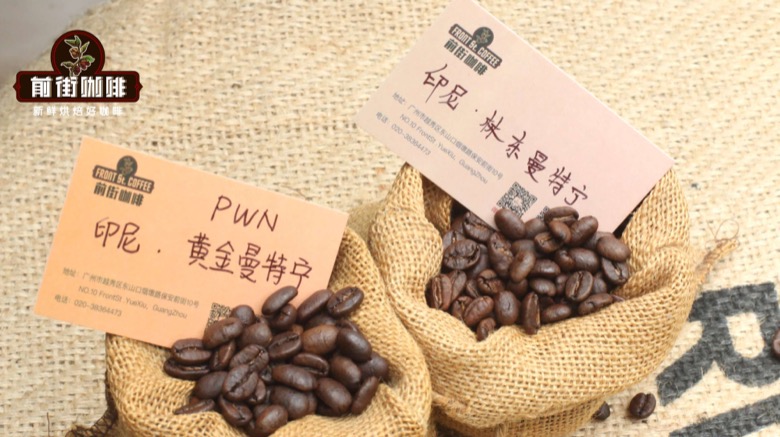
Those who prefer a deep, full-bodied richness should set their sights on Asian origins. Indonesia's fertile volcanic soil gives Mandheling its distinctive herbaceous aroma and thick, syrupy body. When this deep terroir meets the sunny flavors of South America, Qianjie Classic Blend is born. A medium-dark roast lets Mandheling's richness interweave with the nutty sweetness of Brazilian beans, building an especially full and steady aromatic framework.
Extracting Qianjie Classic Blend in a moka pot produces a stunningly thick, sturdy crema, with outstanding extraction tolerance that almost never delivers sharp bitterness. The resulting espresso can be diluted with water into a fragrant, full-bodied Americano, or poured into hot milk for a latte brimming with cocoa flavor; its flavor tolerance is extremely high, making it especially suitable for coffee lovers just getting to know the moka pot.
If you crave a clean, balanced nutty sweetness, the highland terroir of Central and South America is an especially ideal choice. The mild climate there lets coffee beans develop soft acidity and high sweetness. Qianjie Brazil Queen Estate Coffee uses a medium-dark roast, showcasing the honesty of South American soil to the fullest; after grinding you can smell the gentle aromas of roasted peanut, cocoa and dark chocolate, with a very solid sweetness.
Pushed by the moka pot's steam, Qianjie Brazil Queen Estate Coffee releases a dense crema with pronounced nutty notes. Its fruit acidity is very soft, smooth and balanced on entry, with a delicate cream-like sweetness in the finish. Even if the lower chamber is heated a little too long, the abundant sweetness smooths out the burnt harshness of over-extraction, making it especially suitable for those who want to savor a single-origin flavor slowly.
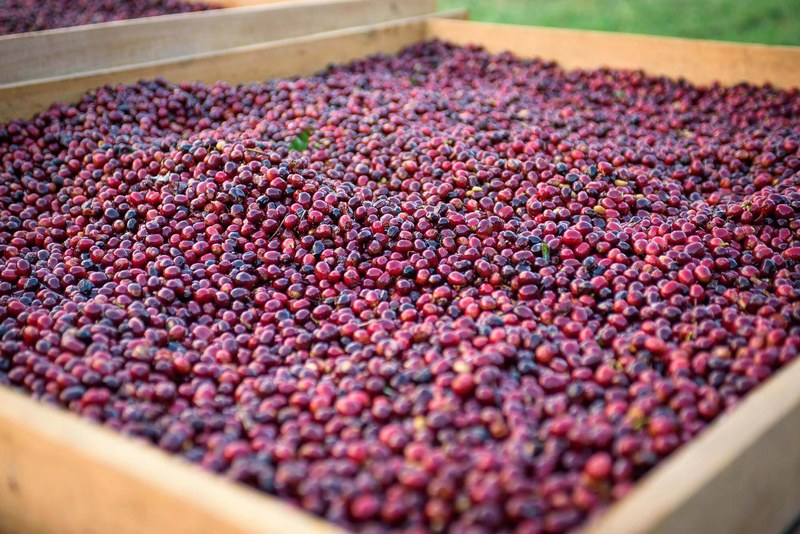
Who says the moka pot can only make deep, bittersweet coffee? Qianjie Strawberry Candy Coffee from a high-altitude Central American origin breaks that stereotype. It blends the signature terroirs of Costa Rica and Panama, using a medium roast to cleverly preserve elegant rose fragrance, sweet orange and raisin sweetness, while also nurturing delicate nutty and creamy aromas under the nourishment of Central America's fertile volcanic ash.
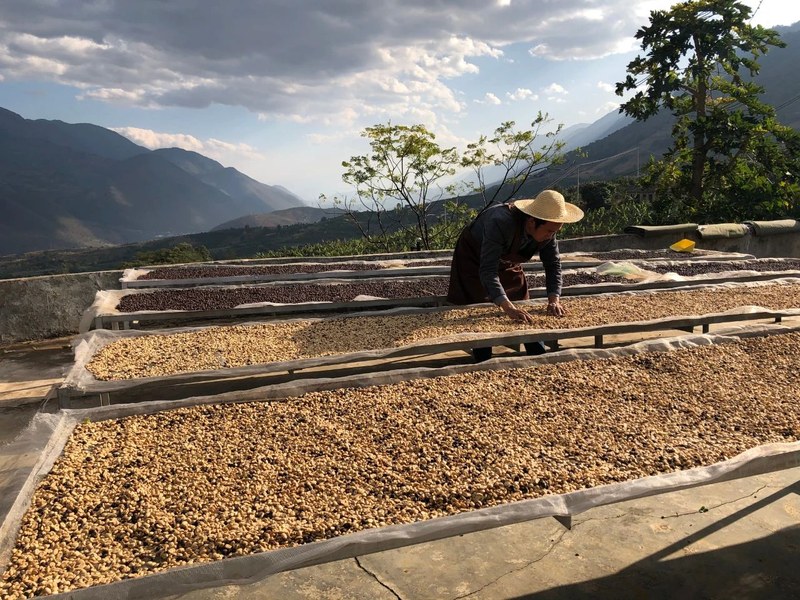
When extracting Qianjie Strawberry Candy Coffee, the moka pot's slight pressure boost transforms fruit acidity into a rich berry sweetness. The brewed liquid is as silky and sweet as a strawberry milkshake, with floral and fruity aromas blooming layer by layer and virtually no stray bitterness. For those who especially fear bitterness and prefer lively fruity sweetness, this floral-fruity espresso full of origin sweetness often brings unexpected surprises.
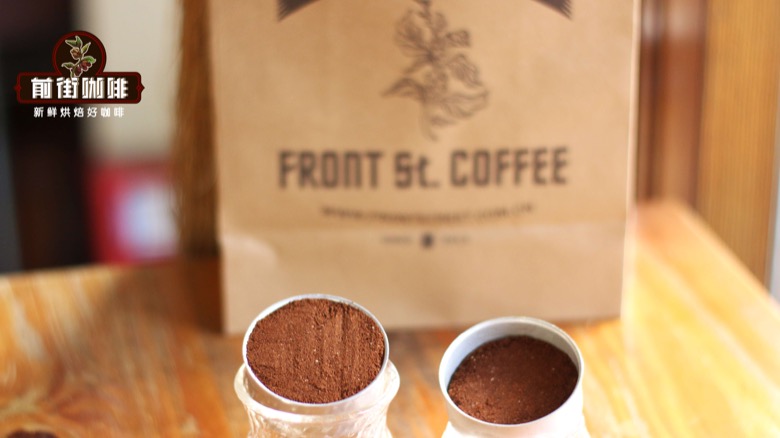
Once the beans are right, brewing technique provides another layer of insurance for the flavor. Taking a two-cup moka pot as an example, pour 100ml of warm water into the lower chamber, grind the coffee to a fine-salt texture and fill the basket level, without pressing hard. Tighten it and heat on the stove over medium-low heat, watching the coffee flow steadily from the central tube; keep the flow time between 1 minute 30 seconds and 2 minutes, and remove from heat the moment you hear a faint sputtering.
To fully awaken the origin's terroir, freshness is the final piece of the puzzle. After roasting, coffee beans need four to seven days of degassing and resting before entering their flavor-release period. Qianjie insists on shipping only coffee beans freshly roasted within five days, precisely to lock in that liveliness. As long as you understand the character of the terroir and fine-tune the grind, the moka pot in your hands can extract a fragrant, oily, reassuringly good cup every day.
Related Reading

Comments (0)
Loading comments...
You May Be Interested

Trending Reviews
Popular Videos

With you, wherever you are! We provide useful features to help you find new things you'll love






