Source:Best Coffee > News Author:qjroot Published:2024-12-19 18:43:13
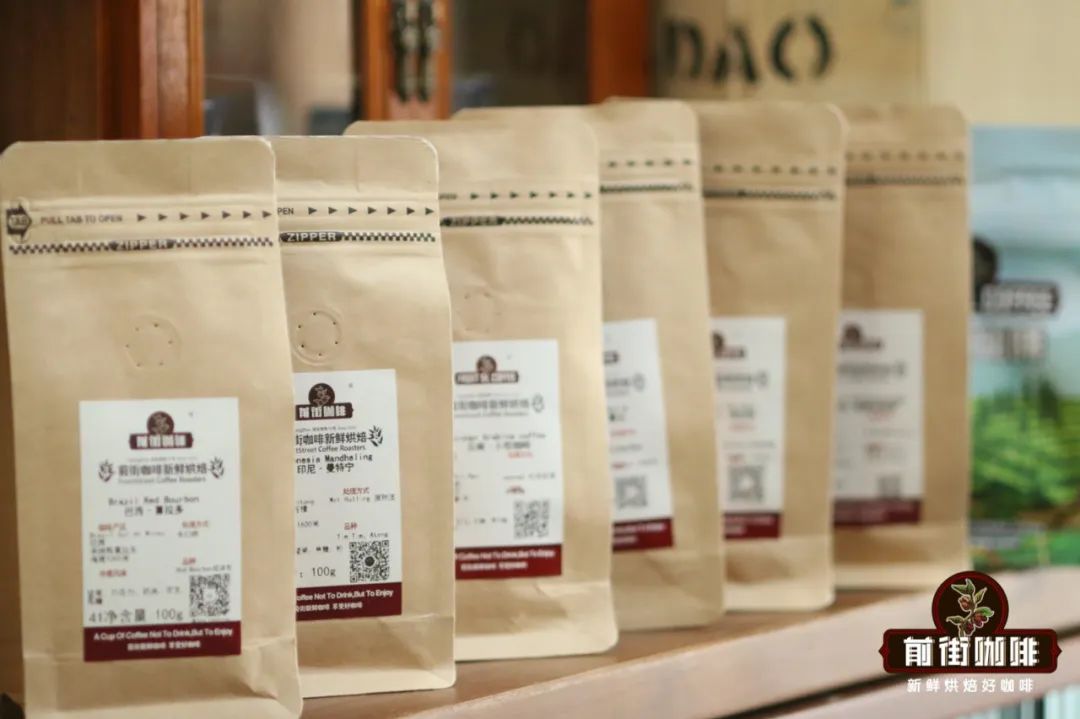
Yirgacheffe has long been one of Ethiopia's important coffee regions. The coffee produced there has flavour characteristics such as elegant floral aromas and bright, fresh fruit acidity, making it the first choice for many people when they enter the world of specialty coffee. This is also why FrontStreet Coffee lists coffee beans from this region as part of its introductory selection series.
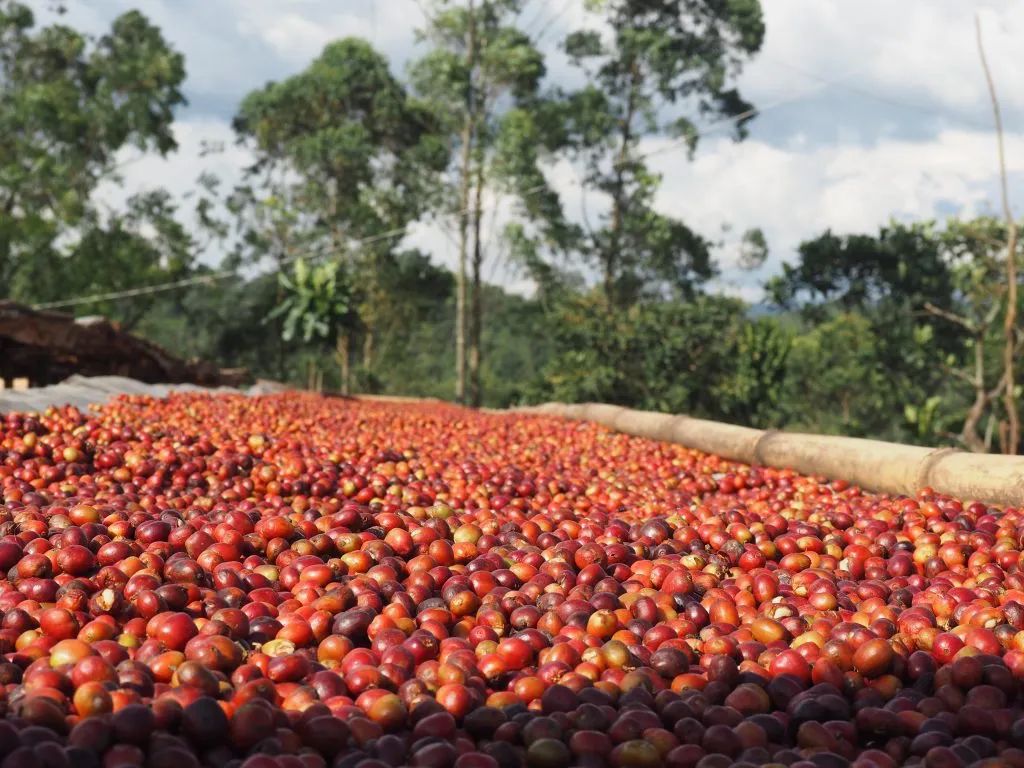
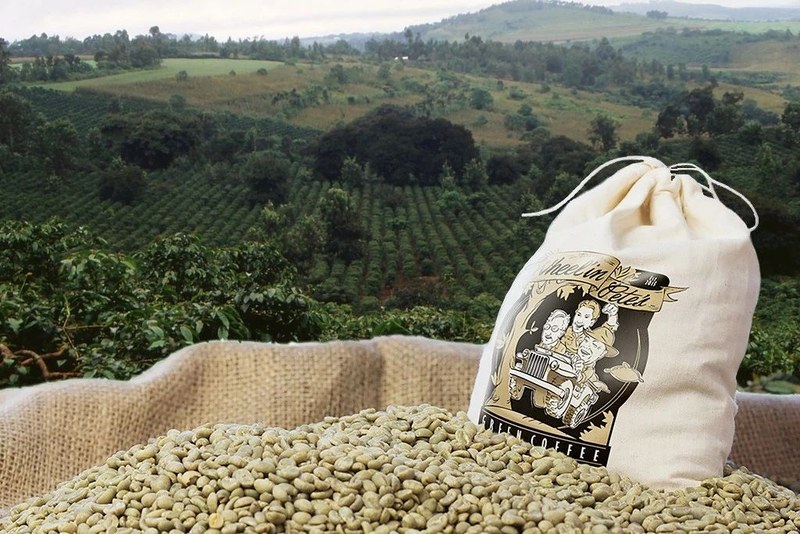
This region enjoys exceptional conditions for coffee cultivation. Located in the central part of the country, within the East African Rift Valley, it is one of the highest coffee-growing areas in the world, with cultivation altitudes reaching 1700-2100 m. At the same time, this area has been a wetland since ancient times, with abundant water resources and soil rich in phosphoric acid. The high altitude and varied terrain create diverse microclimates, with large temperature differences between day and night, making it very well suited for coffee to grow here.
This producing area is typically farmstead-style cultivation, with coffee trees naturally scattered among forests, farmland and backyards, managed mainly by farmers or cooperatives. When the harvest season arrives, after picking, the coffee farmers deliver the cherries to nearby processing stations or cooperatives for processing and export.
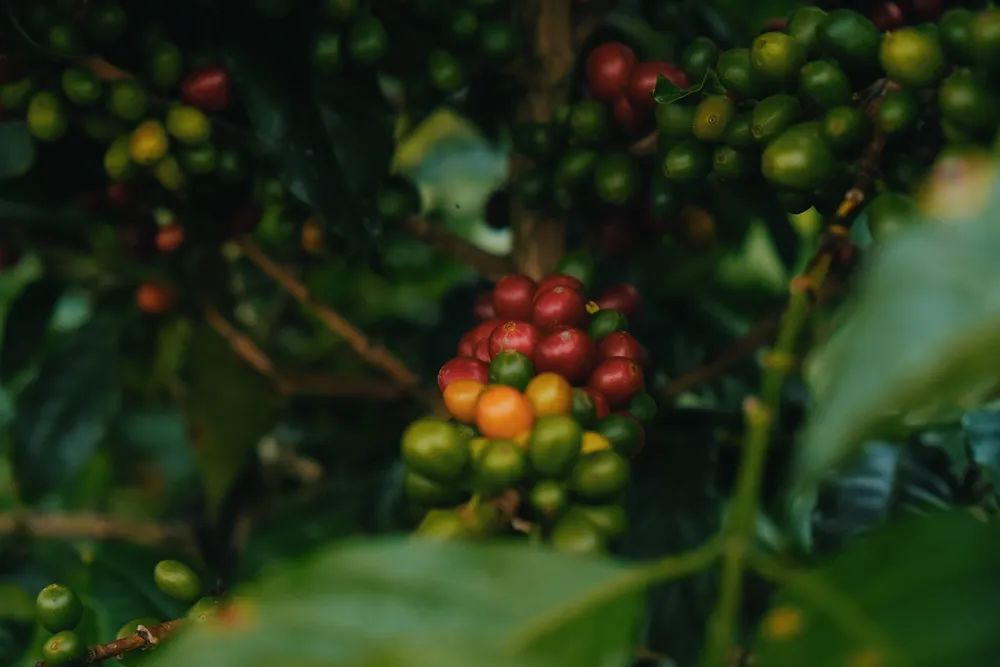
However, because coffee prices were not high in the past, coffee farmers did not earn much either, and the only way to make more money was to rely on volume. So when the harvest season came, farmers would pick all the fruit on the trees regardless of whether it was ripe, and as a result, a batch of coffee fruit would include some unripe or overripe fruit, and even some that had gone bad. Because the quality was not high, local buyers and processing plants would lower prices to buy the coffee beans from the farmers, and in this way they fell into a vicious cycle.
This approach continued for a long time, until 2007, when a green bean buyer from the Netherlands discovered the drawbacks in it and believed that the current situation was not conducive to development, so he proposed a plan that would satisfy both sides, and this plan was the "Operation Cherry Red".
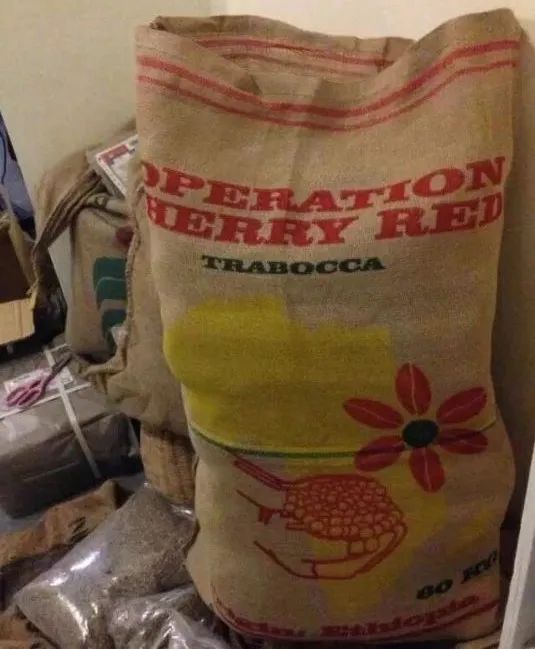
Trabocca is one of the largest coffee bean traders in the Netherlands and introduced the Red Cherry Project, a program that can improve the quality of small-scale farms. Under the requirements of this project, Trabocca will invite local farms during the harvest season to produce a batch of coffee beans for it, with each batch between 1500 and 3000 kg. These batches must be entirely hand-picked and must be 100% ripe, fully red cherries, and in this way Trabocca will purchase these batches at a price several times higher than the market.
In this way, coffee farmers' incomes can be raised, but at the same time, in order to ensure quality, coffee farmers will invest more time and energy in the quality of the coffee beans, and the price of green beans will naturally rise as well. In addition, Trabocca requires small batches in order to give the processing plant more time and energy to process these coffee cherries, so as to ensure quality.
However, Trabocca does not buy everything. Trabocca also sends the coffee beans it receives to cupping labs in the Ethiopian capital and in Amsterdam, the Netherlands, for two rounds of cupping screening. Only beans that meet the standard are purchased, and they receive a substantial bonus. In addition, Trabocca invests in processing plants, adds equipment, provides financial loan support and shares knowledge with coffee farmers, raising production standards, assisting local production and supplying higher-quality coffee beans.
Overall, the Red Cherry Project encourages coffee farmers to carefully complete every step, including coffee picking and processing, by raising the purchase price of high-quality green coffee beans. The coffee beans produced this way have guaranteed quality and better taste, and can gain market recognition, thereby balancing the higher coffee purchase price. At present, the project showcases Ethiopian coffee flavors in coffee-producing regions with distinctive flavors such as Yirgacheffe, Sidamo, Bonga Forest and Lekempti.

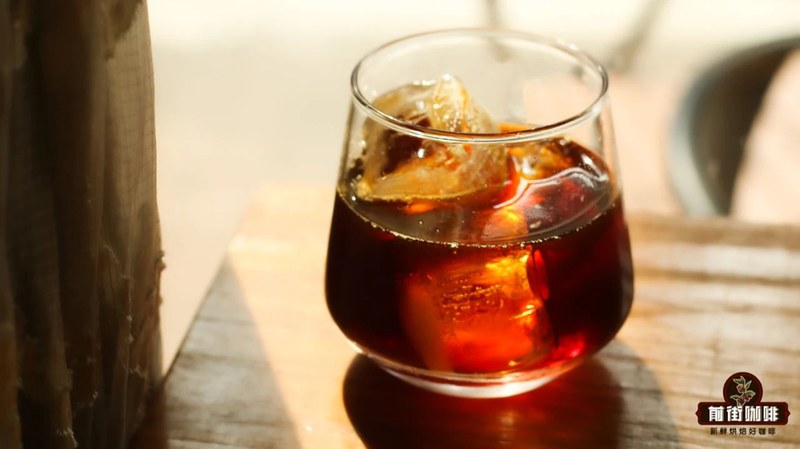
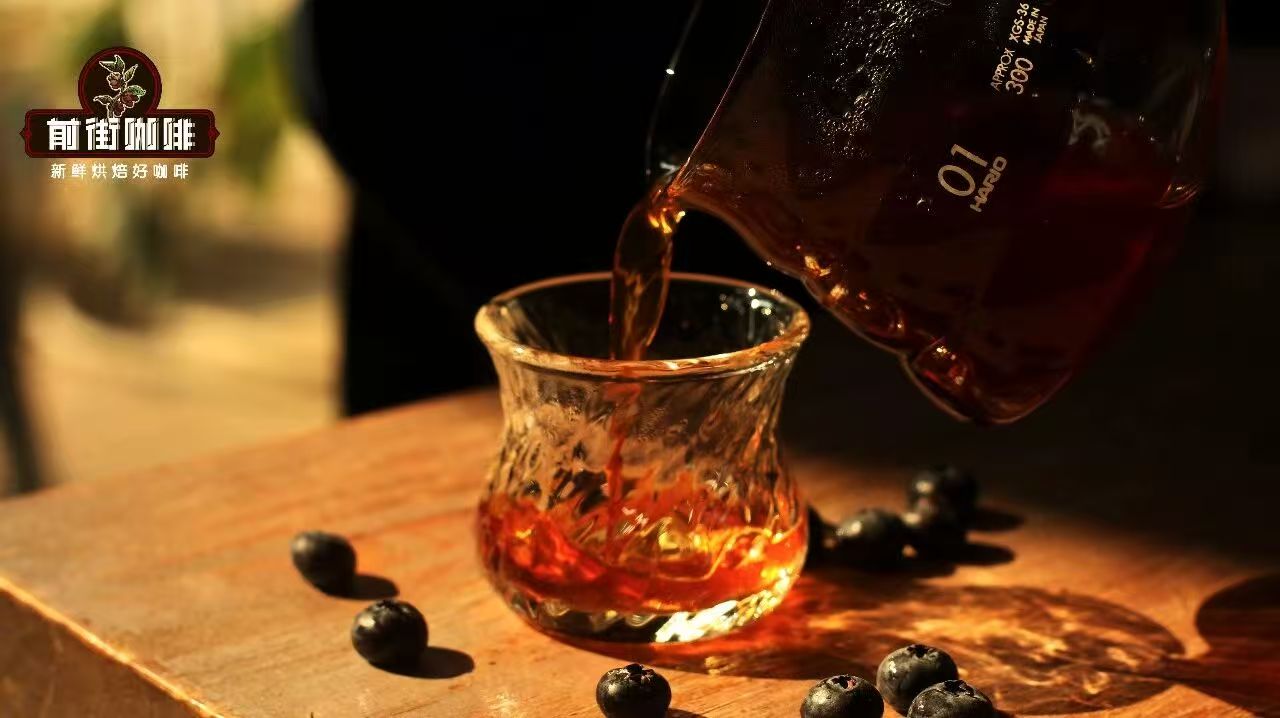
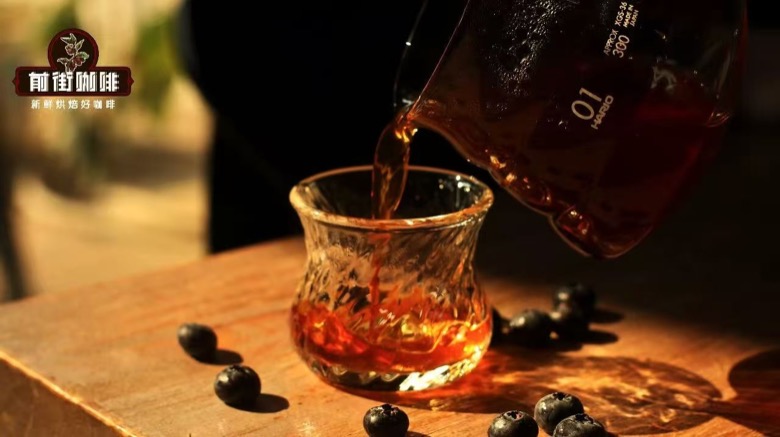
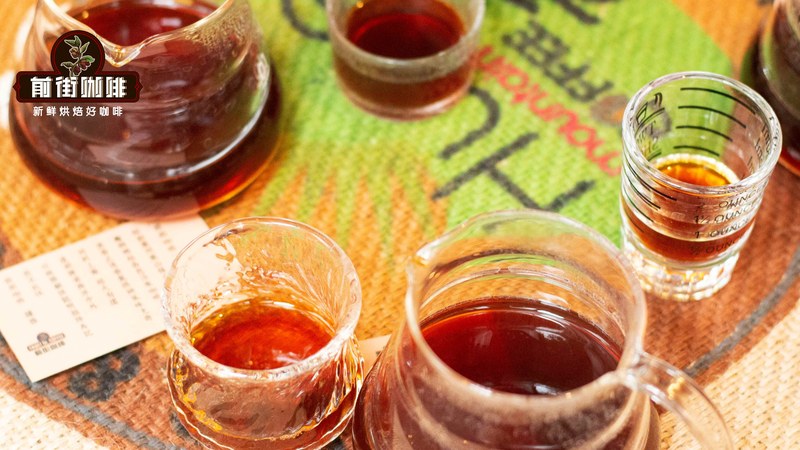
Currently, the coffee beans from the Red Cherry Project that Best Coffee has brought in come from the Yirgacheffe region and are processed using the natural method. Natural processing gives the beans a rich fruity aroma with fermented notes, and combined with the distinctive flavor profile of the Yirgacheffe region, a light roast is used. Through pour-over, it gives off a slight fermented fruit aroma, with a fresh lemony acidity on the palate, berry and strawberry flavors, and a crisp mouthfeel.
To learn more about coffee origins and information, please scan the QR code to follow: Kaping
Long-press the QR code to follow:

Related Reading



Comments (0)
Loading comments...
You May Be Interested

Trending Reviews
Popular Videos

With you, wherever you are! We provide useful features to help you find new things you'll love






