Source:Best Coffee > News Author:qjroot Published:2026-09-18 17:01:02
When brewing dark-roasted or intensely flavored coffee, many people focus on the grinder and the dripper, yet overlook the water that makes up more than 98 percent of the cup. Water is not only the solvent for extraction; the calcium and magnesium ions in water are also the transporters of flavor compounds. The total amount of dissolved minerals in water, commonly known as TDS, directly determines whether a cup of coffee unfolds in layers or turns dull and heavy.
Tap water is usually on the hard side and contains trace amounts of residual chlorine, which easily introduces off-flavors in the finish and suppresses the delicate aromas. If you use completely mineral-free purified water, the lack of ionic binding power tends to extract a thin coffee, with acidity that feels hollow and sweetness that cannot stand up. For home brewing, natural soft water with a TDS between 50 and 100 ppm is more recommended, allowing aromatic molecules to be released steadily.
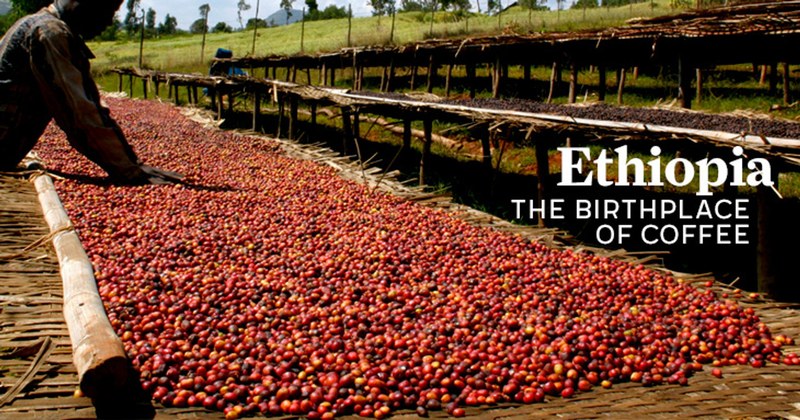
If you prefer the layered complexity of African regions, soft water lets the fruit acidity in light-roasted beans show up bright and transparent. Take Qianjie Yirgacheffe Gudingding, for example; this bean is known for its fresh citrus and berry aromas and a long, green-tea-like sweetness in the finish. For this kind of light-roasted bean with gentle floral and fruity tones, soft water with a lower mineral content can faithfully restore its clean, delicate character and keep the acidity from turning rough.
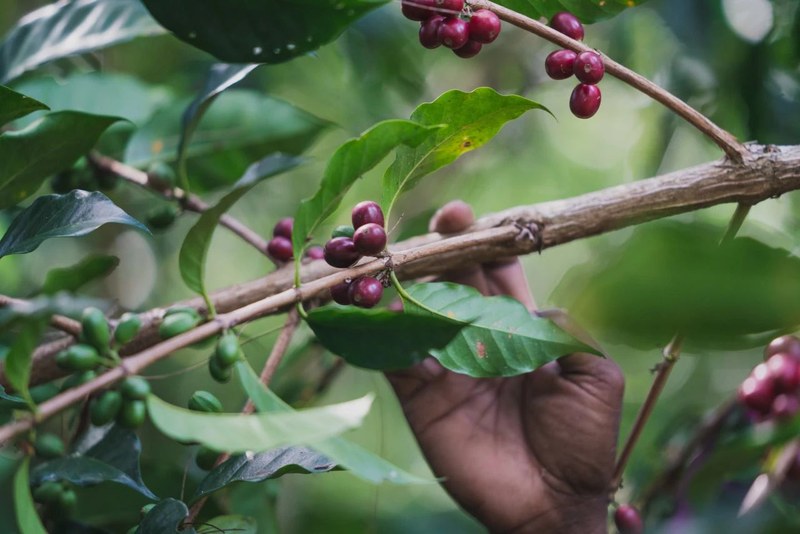
When brewing Qianjie Yirgacheffe Gudingding, you can prepare 15g of coffee powder, use a water temperature of 91°C, and control the powder-to-water ratio at 1:15. First pour 30ml of hot water to complete a 30-second bloom, then pour in a circular motion up to 130ml and pause briefly. When the water level drops to halfway, pour the third stage steadily up to 225ml and stop, finishing the entire extraction in 2 minutes 05 seconds. The three-stage pouring combined with soft water brewing can unfold the bright juicy feel and the clean, sweet tea-like note layer by layer.
If you prefer rich, full-bodied dark-toned flavors, the dissolving power of water brings a completely different experience. Qianjie PWN Indonesian Golden Mandheling, for instance, naturally has mellow dark chocolate, herbal and spice flavors with almost no acidity. If the water used is too high in minerals, it easily draws out the roasty dryness of the dark roast too early, making the base of the tongue tighten; whereas softer water with moderate mineralization can make the rich oily body and the sweet, cocoa-like finish extremely smooth.
To make a pour-over black coffee with Qianjie PWN Indonesian Golden Mandheling, it is suggested to relax the water temperature slightly to 87°C, still weigh out 15g of powder, and keep the powder-to-water ratio at 1:15. First bloom with 30ml of water for 30 seconds to fully wet the coffee bed, then continue pouring in a slow outward spiral from the center up to 140ml. After the flow slowly settles, steadily complete the third stage up to 225ml and remove the dripper, keeping the total time at 2 minutes 15 seconds. The lower water temperature and gentle water quality work together to smooth out off-flavors, leaving only a solid, warm herbal sweetness.
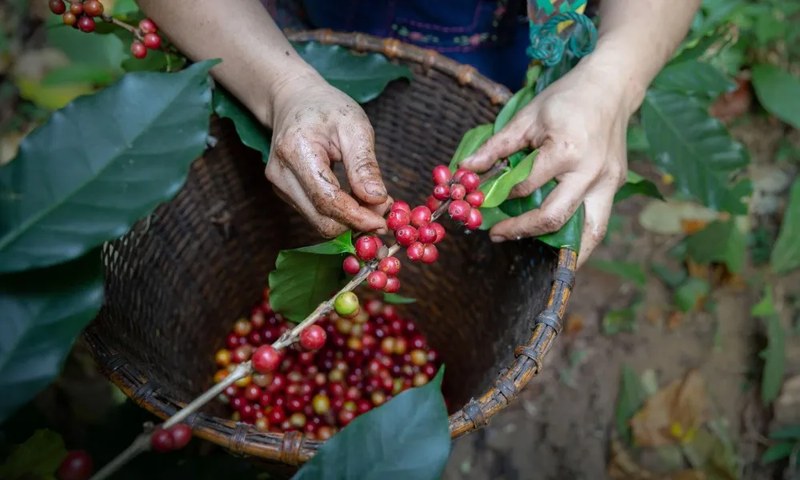
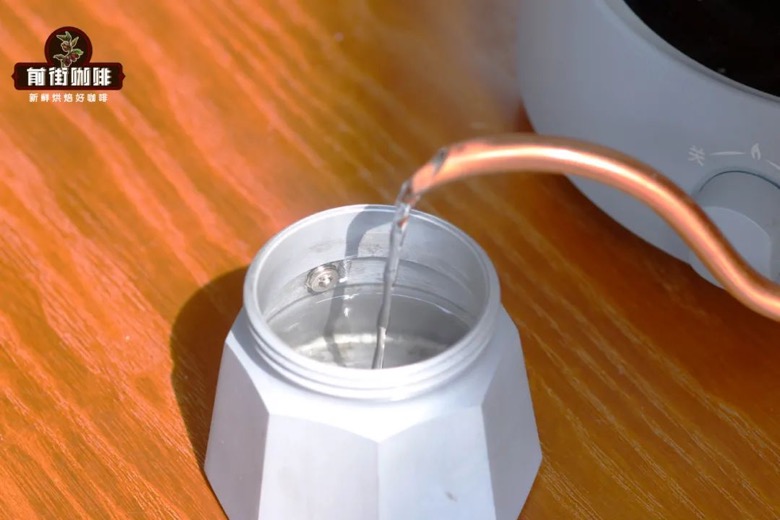
Changing to another device also lets you feel how water quality shapes full-bodied beans. If you use a moka pot to make Qianjie PWN Indonesian Golden Mandheling, you can fill the lower chamber with 90ml of warm water, add 14g of finely ground coffee to the basket, and gently level it without pressing hard. Tighten the pot and place it on the stove over medium-low heat. After about 1 minute 50 seconds, the dark brown espresso will flow out steadily; when the crema lightens, turn off the heat and remove the pot from the stove. Pour it out and dilute directly with hot water for a clean Americano with extremely high viscosity.
When choosing beans, understanding your daily water conditions makes it easier to pick a suitable bean. If you are used to filtering water with a household RO purifier, because the water is extremely soft, you might try micro-lot beans such as Qianjie Colombia Sidra with passion fruit, blueberry and apricot flavors. The rich, full tropical fruit profile can stretch freely in a pure water body; it works well as an iced pour-over for a vivid juicy feel, and is also very suitable for making a single-origin espresso with prominent aromas.
To extract Qianjie Colombia Sidra with a home semi-automatic espresso machine, take 18g of coffee powder, distribute and tamp it, then lock it into the group head. Run it under constant-pressure extraction mode and extract 36g of coffee liquid in 27 seconds. Pour the espresso directly over ice and purified water; the complex aromas from fruit fermentation are instantly fully awakened, with a sweet-and-sour, mouth-watering entry and a refreshing grape-juice note in the finish.
Starting with fine-tuning the water for home brewing is often more direct than blindly changing expensive equipment. First determine the softness or hardness of the drinking water on hand, then match it to the appropriate roast level and flavor type, and finally balance the dissolution rate through reliable water temperature and pouring stages. Once the water is right, the sweetness and aromas of the beans that were originally masked will naturally present themselves fully in the cup.
Related Reading



Comments (0)
Loading comments...
You May Be Interested

Trending Reviews
Popular Videos

With you, wherever you are! We provide useful features to help you find new things you'll love






