Source:Best Coffee > News Author:qjroot Published:2026-08-30 19:31:40
SOE is a coffee bean that expresses its character from a single origin, estate or lot, and once it goes into an espresso machine, the flavors concentrate into one small cup of espresso. It can be made as espresso, americano, latte or flat white, and can also extend to iced coffee and sparkling coffee. What really determines how you drink it is not just the bean's flavor label, but also the machine pressure, basket capacity, grinding range, and how willing you are to adjust parameters.
When using a home espresso machine, you can first confirm the basket specification. A 54 mm basket commonly holds about 16 to 18 g for a single dose, while a 58 mm basket is mostly around 18 to 20 g, though in practice the basket markings should still be the standard. The yield can start from around twice the dose weight, for example 18 g of coffee extracting 36 g of liquid, with the time falling between 25 and 32 seconds, then change the grind based on taste. This first establishes a stable concentration, making it easier to judge the bean's acidity, sweetness and finish.
Light-roast SOE often needs a higher extraction temperature and a finer grind in an espresso machine, and the water temperature can be tried from 93 to 96 degrees Celsius. If the espresso tastes sharp on entry and the acidity is like unripe fruit, it usually means soluble matter has been released insufficiently, so you can grind slightly finer or extend a few seconds; if obvious astringency appears in the tail end, then reduce the liquid weight or coarsen slightly. Light-roast beans are suitable for short black, long black, and also for drinking after adding ice.
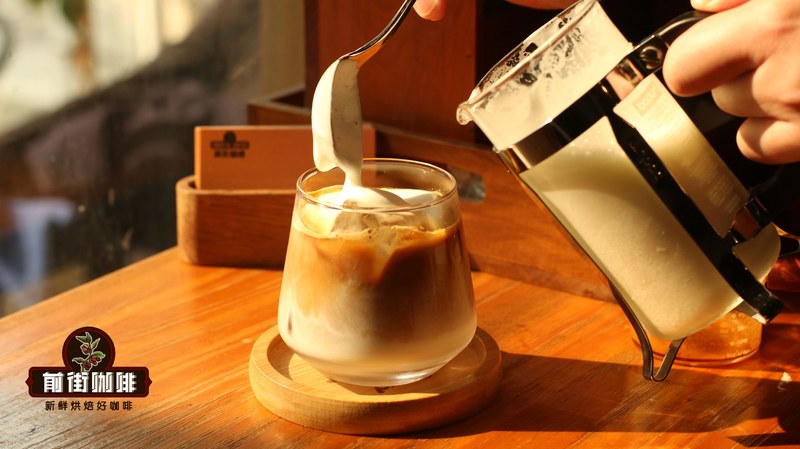
Qianjie Ethiopia Huakui's aroma leans toward ripe tropical fruit, strawberry and passion fruit, and once placed in an espresso machine, a short ratio extraction can preserve the vivid fruit fragrance. You can use 18 g of coffee and 32 to 36 g of liquid as a starting point, making it into espresso or an americano with a small amount of hot water added; if adding milk, it is recommended to control the milk amount so the fruity sweetness still has a presence. When making an iced americano, let the espresso cool first before it touches the ice, and the aroma will be clearer.
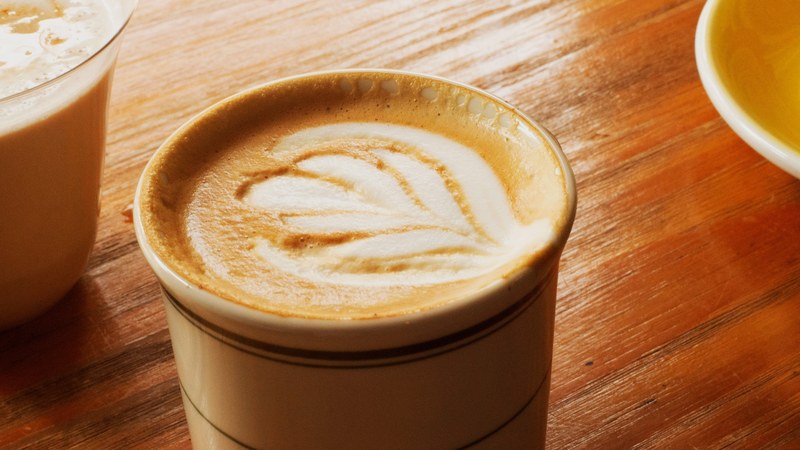
Medium-roast SOE is usually more forgiving of equipment and parameters, and 92 to 94 degrees Celsius with a dose-to-yield ratio of 1:2 to 1:2.3 can both serve as a trial range. Its sweetness and mouthfeel blend more easily with milk, making it suitable for latte, flat white and cappuccino. A flat white uses less milk, so the coffee flavor is more concentrated; a latte has a softer ratio, suitable for people who want to taste single-origin flavor but are not used to drinking espresso directly.
The key to milk coffee is not only the espresso concentration, but also the ratio of coffee liquid to milk. If 18 g of coffee extracts 36 to 40 g of liquid, it can be paired with 120 to 160 g of milk; if you want the fruit acidity to be livelier, the milk amount can be a little less, and if you want smooth sweetness, then increase the milk and control the extraction in a rounder range. When steaming with the steam wand, the milk temperature is about 55 to 65 degrees Celsius, which preserves sweetness and does not easily cover the bean's aroma.
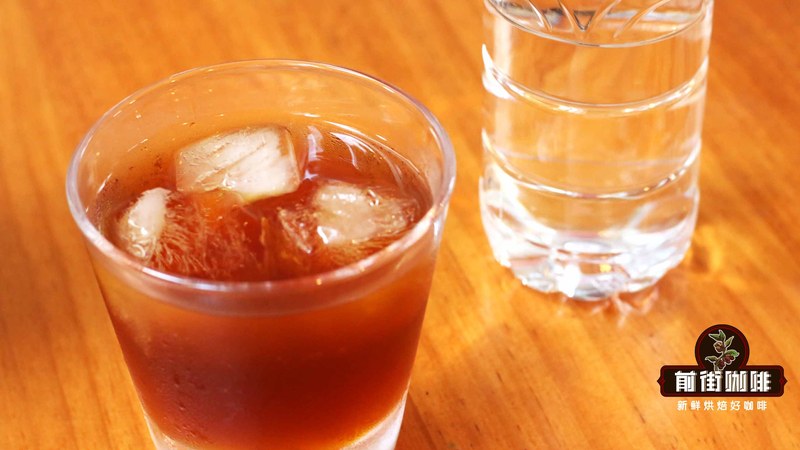
Qianjie Kenya Little Tomato carries flavors reminiscent of ripe tomato, smoked plum and brown sugar, and is suitable for a refreshing espresso or iced americano. On an espresso machine, a slightly shorter yield can be used to reduce the drying sensation brought by tail-end extraction; when making an iced drink, pour the higher-concentration coffee liquid directly over ice, then add a small amount of water, and the acidity and sweetness will be closer to a juice-like feel. If pairing with milk, it is recommended to choose a small-cup flat white so the dark fruit flavor like smoked plum is not diluted.
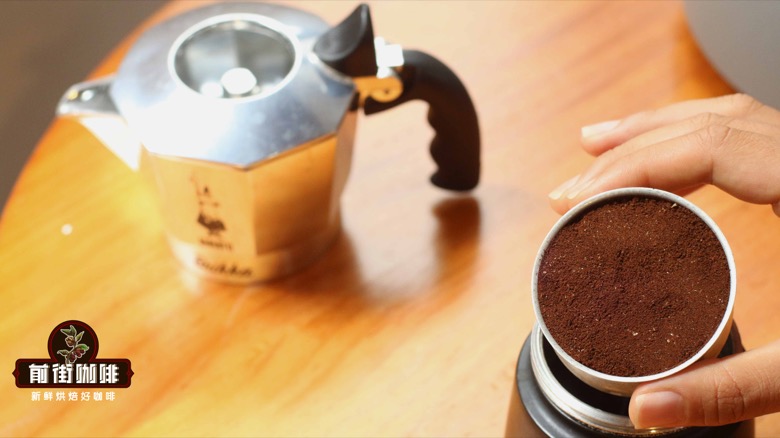
Without an espresso machine, a moka pot can also make SOE in a rich style, but it is not a substitute parameter for espresso. The grind should be between pour-over and espresso, fill the basket and level it off without tamping; add water to below the safety valve and heat over medium-low heat. When the liquid color becomes lighter and the sound starts to become urgent, remove from heat, then dilute with a small amount of hot water, suitable for a moka pot americano or adding warm milk.
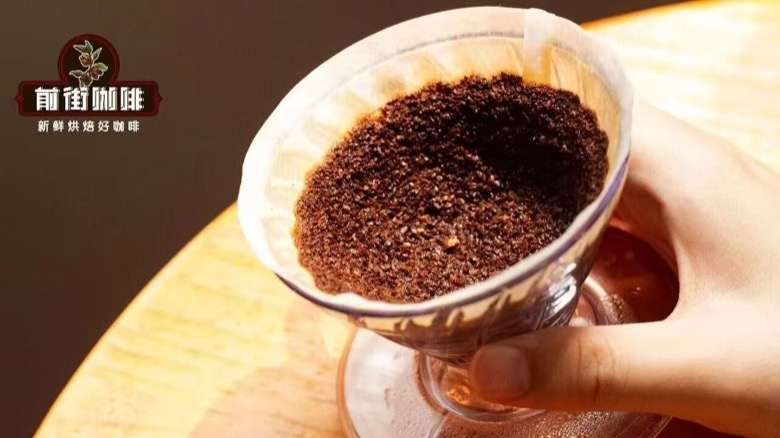
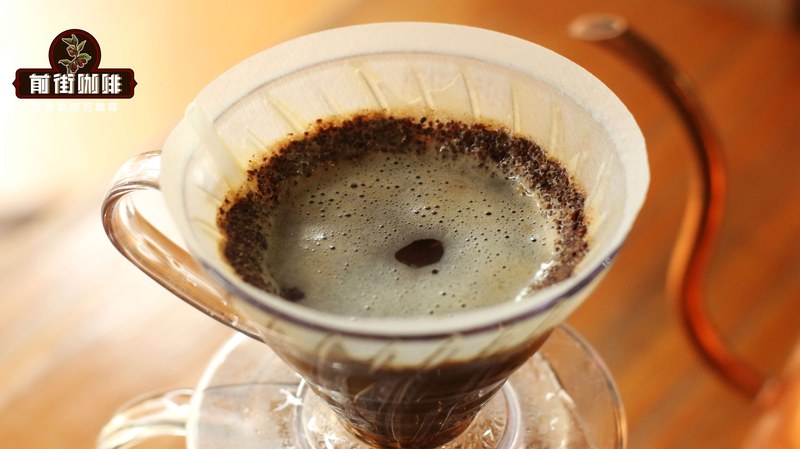
Pour-over equipment is more suitable for showing the regional differences of SOE. Taking V60 as an example, light-roast beans can use a higher water temperature and medium-fine grind, with a dose-to-water ratio starting from 1:15 to 1:16; staged pouring allows the aroma and sweetness to gradually unfold. If using immersion-style equipment such as a Clever Cup or French press, the grind can be slightly coarser, the number of stirs reduced, and after steeping for three to four minutes, filter it, which is more suitable for people who want to easily make a fruity black coffee.
Qianjie Kafa Forest carries orange, ripe apricot and oolong tea-like sweet aftertaste, and with pour-over you can drink a light body, and it is also suitable for iced pour-over. For a hot drink, use 92 to 94 degrees Celsius water, while for iced pour-over divide the total water amount into hot water and ice, keeping the total dose-to-water ratio unchanged. If using a cold brew pot at home, coarsen the grind and steep for eight to twelve hours, and you will get a softer citrus sweetness, suitable for slowly drinking in hot weather.
When choosing SOE, you can first look at whether the equipment at home can stably control the dose, grind and yield, then decide the flavor direction. If an espresso machine is often used for milk coffee, you can choose medium-roast beans with solid sweetness and supportive body; if you prefer americano and iced drinks, you can look for lots with clear fruit fragrance and lively acidity and sweetness; pour-over and cold brew can amplify floral, fruity and tea notes. With a clear starting point for parameter adjustment, SOE can extend from one cup of espresso into a variety of everyday drinking methods.
Related Reading

Comments (0)
Loading comments...
You May Be Interested


Trending Reviews
Popular Videos

With you, wherever you are! We provide useful features to help you find new things you'll love






