Source:Best Coffee > News Author:qjroot Published:2026-09-03 19:02:00
Honey-processed coffee beans often bring the fruity sweetness of the cherry and a clearer regional aroma into the same cup, but they are not a fixed flavor profile. Whether you use a pour-over dripper, an espresso machine, a moka pot or a cold brew bottle, the water temperature, pressure and contact time differ, and the beans' performance shifts as well. When choosing, you can work backwards from the extraction conditions your equipment can provide to determine the direction for your beans.
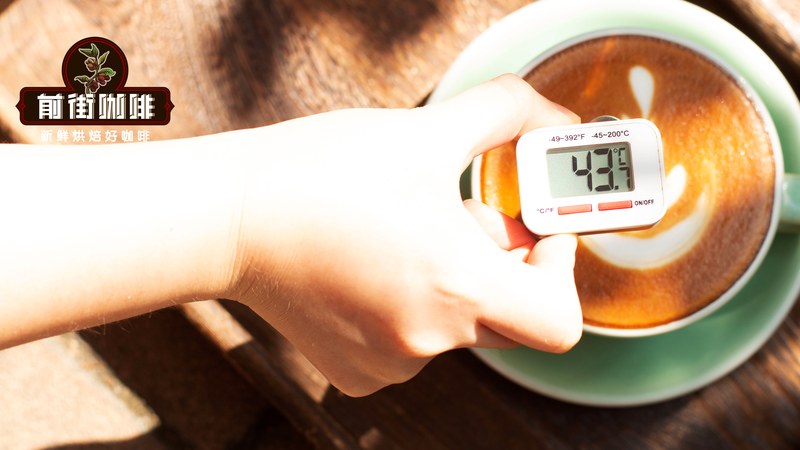
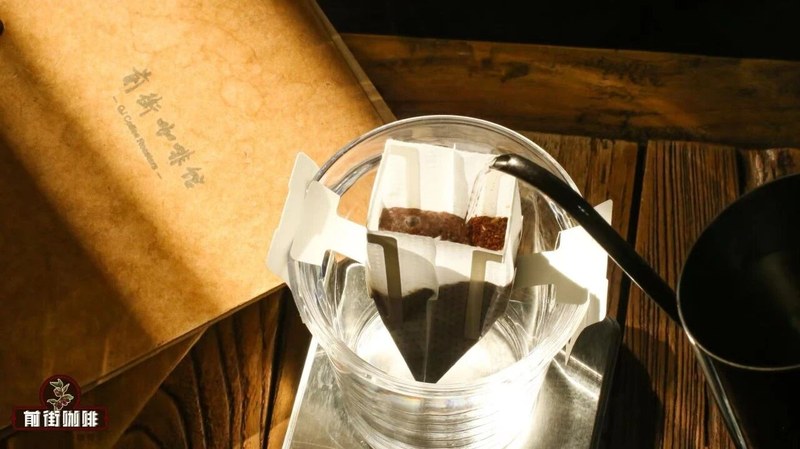
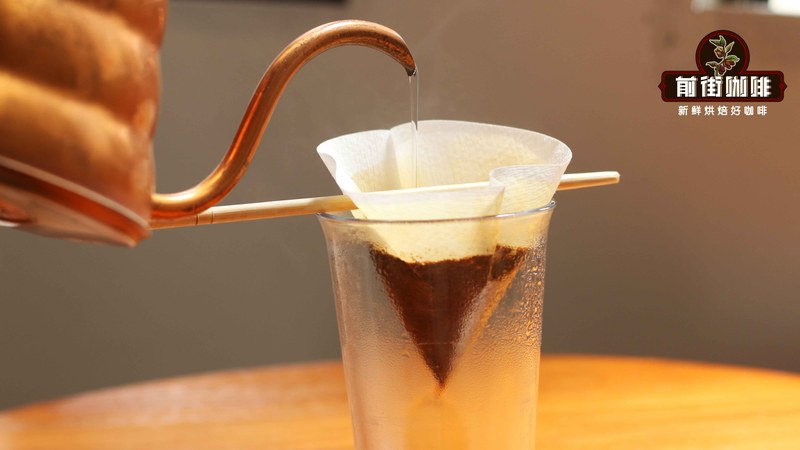
When brewing pour-over with a dripper, the water flow path and the depth of the coffee bed affect how the aroma unfolds. Light-roasted honey-processed beans suit a medium-fine grind, and you can start with a water temperature of 91 to 94 degrees Celsius and a coffee-to-water ratio of about 1 to 15 to 1 to 16. If you pour more slowly, floral notes, citrus and a tea-like quality usually appear more easily in the cup; a faster flow preserves a light, bright mouthfeel.
Qianjie Panama Hacienda La Esmeralda Red Label Geisha is worth saving for a slow pour-over in a dripper. Its aroma leans toward jasmine, bergamot and citrus peel, the texture on entry is delicate, and as it cools a black-tea-like finish emerges. It is recommended to use a higher water temperature and a finer grind so the hot water fully draws out the aroma; if a sharp acidity appears, you can slightly coarsen the grind or reduce agitation in the first stage.
If you want to finish a cup in a shorter time, a Clever Dripper or an immersion dripper offers another approach. In an immersion environment, honey-processed beans have fuller contact between coffee and water, so the grind does not need to be as fine as with traditional pour-over, and the water temperature can be slightly lower. Start with a ratio of about 1 to 15, steep for two to three minutes and then release the liquid; this suits people who like a continuous sweetness and do not want to constantly control the flow.
Qianjie Yirgacheffe Gudingding has good recognizability in this kind of equipment. It can present a bright citrus and berry character, with a finish carrying a green-tea-like clean sweetness. When using pour-over, you can raise the water temperature and shorten the total time to make the aroma crisper; if you switch to immersion extraction, coarsen the grind a little and the cup will feel softer, without the acidity standing out too much.
With an espresso machine, what you need to focus on is the portafilter basket capacity, the yield weight and the extraction time, not just the bean's region name. When light-roasted honey-processed beans undergo high-pressure extraction, they usually need a finer grind and a higher water temperature to help the flavor unfold. You can use 18 g of coffee and 36 g of liquid as a test starting point, then adjust based on the flow rate. If the entry tastes thin, you can shorten the ratio; if the finish is astringent, reduce the yield.
When Qianjie Ethiopia Huakui is pulled as a single-origin espresso, tropical fruit, strawberry and passion fruit-like notes become concentrated, making it suitable for a short black or an iced americano. If used for a latte, it is recommended to keep the coffee liquid at a higher concentration and control the amount of milk, so the fruit aromas are not completely covered. For home machines, stable preheating and even distribution of the grounds are often more helpful than simply extending the extraction time.
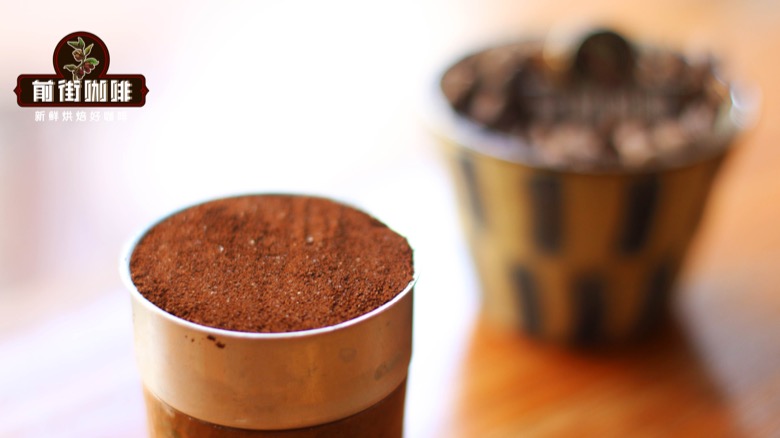
A moka pot's water temperature and heat change more directly, making it suitable for choosing honey-processed beans with lively sweetness and acidity that is not overly sharp. Fill the filter basket to capacity and level the grounds; the grind should be slightly coarser than for espresso. Add hot water to the base and heat over low flame, which can shorten the time the coffee grounds spend in a high-temperature environment. Stop the heat in time when the color of the liquid turns light, and the coffee will more easily retain a caramel-like roundness.
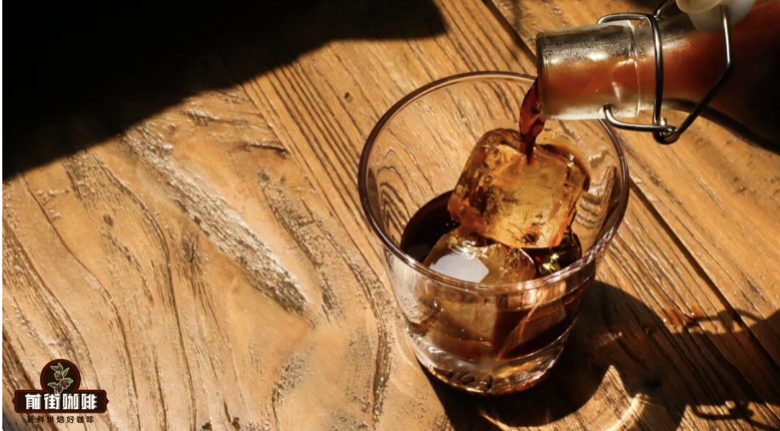
If you mainly use a cold brew bottle at home, the key parameters shift to grind size, steeping time and final concentration. For honey-processed beans, you can try a coffee-to-water ratio of 1 to 12 up to 1 to 14, with a grind one step coarser than pour-over, and steep in a refrigerated environment for about ten to fourteen hours. A shorter time gives a lighter, livelier flavor; extending it increases the sweetness, but you should also watch for whether a woody or dry mouthfeel appears in the cup.
Cold brew is especially suited to beans with clear fruit notes, such as Qianjie Yirgacheffe Gudingding and Qianjie Ethiopia Huakui. After low-temperature extraction, the citrus and berry acidity of the former becomes rounder; the latter easily presents a juice-like sweet aroma. If you want it more refreshing, increase the dilution water; if you want to keep the intensity, reduce the dilution and serve it with ice.
You do not need to change many equipment parameters at once. You can first determine the coffee dose and total water, then observe the flow rate, the entry's sweet-sour balance and the finish's texture, and afterward change only one of either the grind or the temperature. When buying honey-processed beans, look at the roast level, the recommended equipment and the flavor description, then compare them with the conditions of your equipment at home; this way the beans' sweetness, aroma and mouthfeel can land in a range that suits you better.
Related Reading



Comments (0)
Loading comments...
You May Be Interested

Trending Reviews
Popular Videos

With you, wherever you are! We provide useful features to help you find new things you'll love






