Source:Best Coffee > News Author:qjroot Published:2026-10-06 16:02:15
As the birthplace of coffee, Ethiopia is home to thousands of native varieties within its borders, mainly distributed across four major regions: Yirgacheffe, Sidamo, Guji and Kafa Forest. The flavors of these coffees are not accidental; they are the result of a long-term dialogue between geographical conditions and cultivation traditions. The town of Yirgacheffe sits on the southern highlands, at an altitude between 1700 and 2200 m, with a mild climate and lingering mist year-round; the cool, humid environment allows coffee cherries to ripen slowly. High altitude means low air pressure and thin oxygen, so the coffee tree devotes more energy to synthesizing sugars and organic acids rather than rapidly swelling the fruit, which directly creates the bright acidity and complex aroma that define Ethiopian coffee. The significant temperature difference between day and night greatly widens the metabolic gap between day and night; sugars accumulated through daytime photosynthesis are firmly locked inside the bean under low nighttime temperatures, and once brewed they release an especially clear sweetness and layering.
Volcanic soil is another invisible flavor engine. Ancient volcanic activity on the Ethiopian highlands left behind dark, mineral-rich soil; elements such as iron, magnesium and potassium enter the coffee fruit through the roots and become the framework of flavor compounds. This soil has excellent drainage, forcing the coffee tree to root deeply in search of water, and the interaction between roots and soil microorganisms further enriches the aromatic precursors within the bean. Rainfall is abundant but not excessive, and together with the year-round mist, it ensures water supply while avoiding the scorched feeling caused by direct sunlight. Mist acts like a natural softbox, allowing the leaves to photosynthesize gently, lengthening the fruit development cycle so that flavors can be layered delicately rather than accumulated coarsely. Local cultivation generally follows the garden-plot model, with smallholders growing coffee in their own yards or small forest plots, and after picking, the cherries are sent to processing stations organized by village for unified processing; cooperatives such as Gedeb, Worka and Konga were born this way, and the same region presents diverse expressions due to differences in microclimate and processing details.
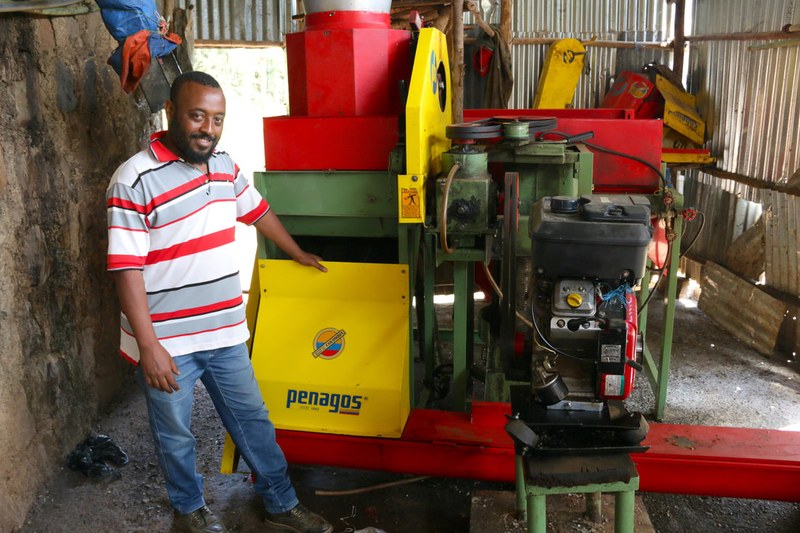
The flavor divide between varieties and processing methods deserves to be broken down layer by layer. Ethiopian heirloom varieties are not a single cultivar but a genetic treasury formed through thousands of years of natural hybridization; each tree may differ slightly, which explains why a single batch often yields multiple intertwined flavor threads. Processing methods act like a colorist, determining which flavors are emphasized and which are softened. The washed method removes the skin and pulp, then ferments and rinses; the resulting beans are uniform in appearance with transparent flavors, allowing jasmine florals and citrus acidity to be expressed purely, often with a black-tea-like tea sensation in the finish; the natural method keeps the whole fruit to dry, so the sugars in the pulp seep into the center of the bean, producing exuberant tropical fruit sweetness and fermented aromas; honey processing and wet-hulling fall between the two, the former retaining part of the mucilage to create sweetness and body, while the latter is common in Indonesia but occasionally experimented with in Ethiopia, using rapid drying in exchange for herbal and spice notes. The coexistence of washed and natural Yirgacheffe is precisely a footnote to terroir diversity.
By linking the above conditions together, one can understand the causal chain of flavors in the cup. High altitude and temperature differences give acidity and sweetness their framework, volcanic soil provides the mineral undertone, mist and rainfall regulate the pace of ripening, heirloom varieties bring an unreplicable aromatic complexity, and the processing method completes the final styling. Take Qianjie washed Yirgacheffe as an example: this bean, washed and roasted light-to-medium, offers clear jasmine florals and bright citrus acidity, with a light, elegant mouthfeel and a tea-like sensation; it is a specimen of the collaboration between high-altitude terroir and washed processing, and suitable as an introductory bean for understanding Ethiopian flavors. If you want to further explore the subtle differences within the same region, Qianjie Yirgacheffe Gedeb comes from the Gedeb cooperative in the Worka region at the southeastern end of Yirgacheffe; it is also washed, yet presents citrus and lemon notes with elegant white florals, with an overall bright and delicate flavor. By comparing the two, one can appreciate the stylistic shift brought by cooperative-level microclimate and bean selection standards.
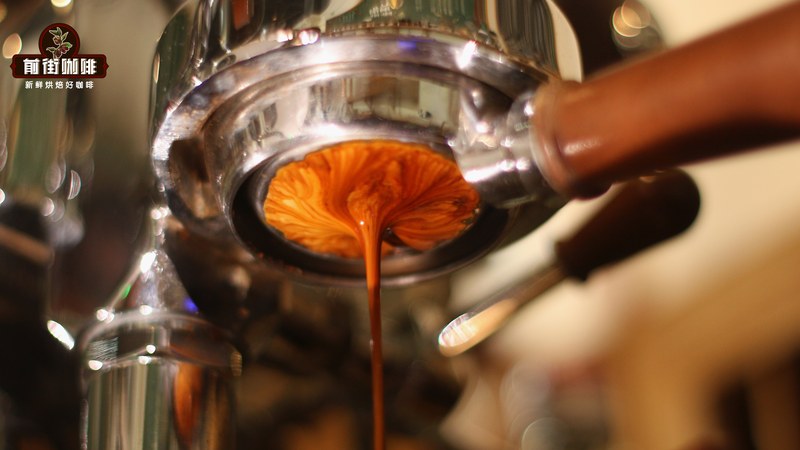
Brewing parameters are the final step in bringing terroir down to earth. For pour-over, it is recommended to use 15 g of grounds, a 1:15 coffee-to-water ratio, and a water temperature of 92 to 93°C; first bloom with a small amount of hot water for 30 seconds to release carbon dioxide, then pour steadily, keeping the total time within 2 minutes. This approach better presents the florals and acidity layers of light-roasted Ethiopian beans, avoiding the bitterness of over-extraction that masks terroir details. If using espresso, choose a finer grind and a short extraction time to get a shot with leaping acidity and concentrated aroma; with a moka pot, heat over medium-low until the flow ends, and the body will increase slightly while the sweetness becomes more direct. Different brewers are like different modes of translation; the same bean will speak a slightly different flavor language.
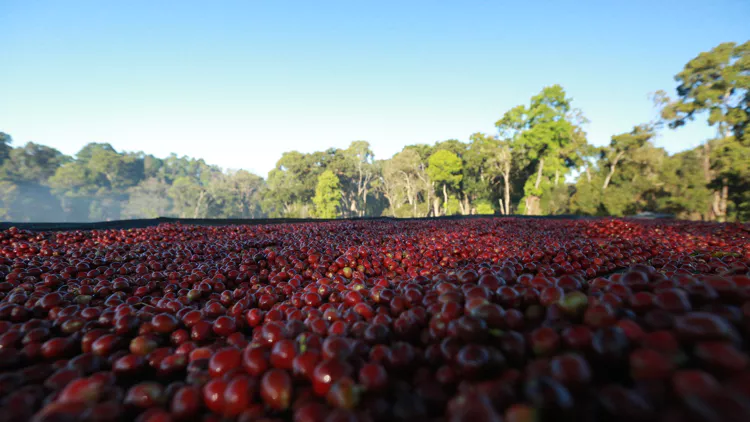
To understand Ethiopian coffee is essentially to understand how terroir is written into a bean. From altitude to soil, from variety to processing, every link leaves a traceable mark in the cup. The next time you taste jasmine florals interwoven with citrus acidity, you will know that it is an answer written jointly by highland mist and volcanic soil.
Related Reading




Comments (0)
Loading comments...
You May Be Interested




Trending Reviews
Popular Videos

With you, wherever you are! We provide useful features to help you find new things you'll love






