Source:Best Coffee > News Author:qjroot Published:2026-09-19 12:19:28
The tea-like quality in coffee shows up as a clear aroma, a light and smooth mouthfeel, and a long sweet finish after swallowing. This refreshing sensation can come either from single-origin lots grown at high altitude or from careful blending in a recipe. To find this tea-like charm in your daily cup, you need to understand how single-origin and blended coffees each express flavor, so you can choose the beans you like based on how you brew.
The appeal of the single-origin path lies in showing the distinct character of one terroir. With the help of high altitude and clean processing methods, the abundant floral and fruity aromas in the green beans are fully preserved, and the brewed coffee often has clear recognizability. If you pursue a clean, transparent floral tea note with strong penetration, and want to taste the terroir signature of a specific mountain, single-origin beans will bring very direct satisfaction.
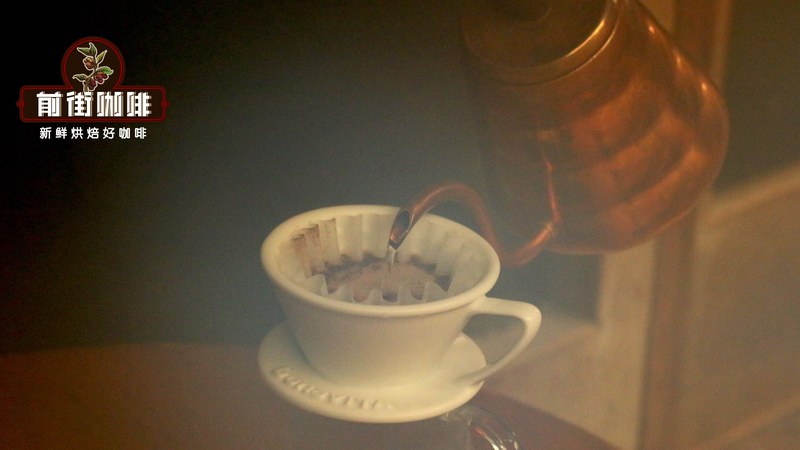
For example, Qianjie Panama Hacienda La Esmeralda Red Label Geisha is a representative of single-origin tea-like character, with jasmine, bergamot and citrus aromas, and a delicate sweetness like high mountain black tea in the finish. Pour-over is especially suited to presenting it: take 15g of coffee grounds, use a 1:15 coffee-to-water ratio with 91°C water, first pour 30g of water to bloom for 30 seconds, then pour 95g and 100g of water in two stages, with the total time controlled at 2 minutes 05 seconds, and you will get a cup of black coffee as warm and smooth as tea.
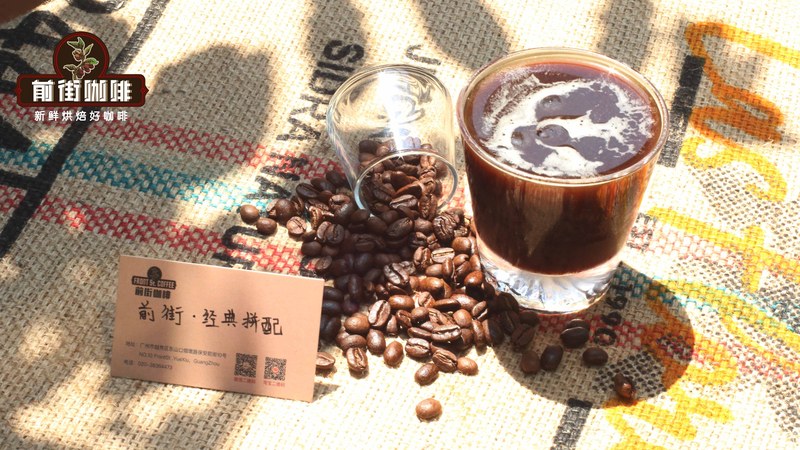
The blending path focuses on flavor complementarity and balanced mouthfeel. By combining beans from different origins and processing methods, baristas smooth out overly sharp acidity and create a mild, lingering complex tea-like character. Blended beans perform steadily under different brewing conditions, are less likely to taste thin, and can bring the reassuring companionship of a sweet pot of tea to daily drinking.
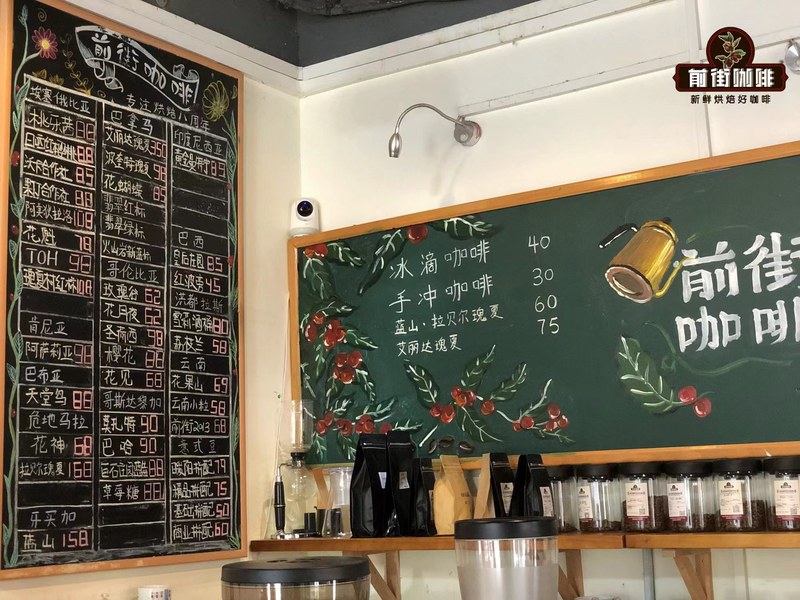
Once you understand the recipe proportions on the package, you can easily predict the flavor direction of blended beans. If light-roasted Ethiopian beans make up more than 40 percent of the recipe, it will usually show a bright, light character like lemon black tea; if medium-roasted Colombian or Brazilian beans dominate, the cup often leans toward a warm malt-tea character. By seeing clearly the roast levels of the main and supporting components, you can pick the tea-like character you like.
Nowadays more and more people like to use single-origin beans from one region to make SOE, that is, single-origin espresso. This method uses high pressure to highly concentrate the rich floral, fruity and tea-like aromas inside the coffee beans, and it is especially striking when added to ice water to make an Americano, with a mouthfeel like a refreshing, thirst-quenching cold brew fruit tea. For people who like to explore regional terroir while also pursuing crema and body, tea-like single-origin SOE can bring a refreshing new experience.
For example, Qianjie Colombia Pink Bourbon with a full fruit-tea charm is rich in passion fruit, blueberry and apricot aromas, and it is excellent as an SOE Americano. When using an espresso machine, take 18.5g of grounds, level and tamp them, and under 9bar constant pressure extract 37g of espresso within 26 seconds. Add the espresso to 160ml of ice water, and the entry is full of juice-like character, with a long tea aroma filling the mouth after swallowing.
Compared with the bright, light character of single-origin SOE, traditional blended beans are more composed when making milk coffee or using a moka pot. The solid nutty foundation in the blend interweaves with deep roasted tea and oolong tea notes, and after adding milk it turns into a sweet, smooth Assam milk tea flavor, rich without being cloying. On a busy morning, traditional blends can steadily support the creamy aroma and bring a warm, comforting sense of embrace.
If you want to use a moka pot to extract the tea-like character and richness from blended beans, the parameters are actually very clear. Pour 90ml of water into the lower chamber of the moka pot, fill the filter basket with coffee grounds and gently level them, then heat over medium-low heat for about 1 minute 50 seconds, and turn off the heat in time when you see the coffee liquid become lighter and flow out smoothly. The coffee liquid extracted this way is mellow and full, with a slight toasted rice tea aroma, and it is especially easy to drink with milk.
If you prefer to savor shifting layers in your leisure time, Qianjie Granja La Esperanza Geisha can show another kind of deep tea-like character. It comes with the sweet aromas of orange blossom, apricot and strawberry jam, and after landing in the cup it gradually evolves into a sweet, mellow body similar to Oriental Beauty tea. The natural process gives it a rich ripe fruit aroma, and as the temperature slowly drops, every sip lets you feel rich shifts in texture.
After clarifying the flavor traits of blends and single-origin coffees, when choosing you only need to match them with your usual equipment and drinking method. For people who love careful pour-over tasting and want to explore pure floral and fruity notes with a black tea aftertaste, single-origin beans can bring endless exploratory pleasure; while for those who prefer espresso drinks and want a cup with balanced sweetness that also works as milk coffee, a skillfully proportioned blend feels more fitting. By being clear about your actual needs, you can easily pick the cup you love.
Related Reading

Comments (0)
Loading comments...
You May Be Interested




Trending Reviews
Popular Videos

With you, wherever you are! We provide useful features to help you find new things you'll love






