Source:Best Coffee > News Author:qjroot Published:2026-09-03 18:37:05
When choosing hand-ground coffee beans, you shouldn't look only at origin and flavor descriptors; you also need to consider how finely your home equipment can grind them. Pour-over drippers require a wider grind-adjustment range, espresso machines demand stable fine particles, and moka pots fall somewhere in between. First confirm your grinder's grinding range, the fineness of its adjustment steps, and the consistency of its output, then judge the bean's roast direction. That way, selecting beans becomes much more grounded in practical operation.
If your hand grinder has a wide adjustment span, each step noticeably affects flow rate, so it's best to choose beans with a moderate roast level and clear sweetness. They aren't as sensitive to tiny parameter changes; when water temperature or dose is adjusted slightly, the cup still maintains a relatively complete flavor. Although light-roasted beans have lively aromatics, they often require finer grind control, and the grinder's performance directly affects the extraction result.
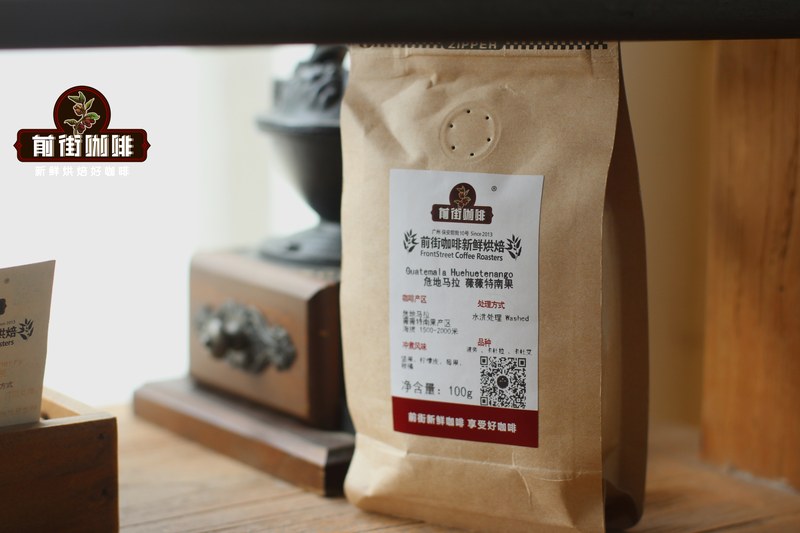
When using a conical or flat-bottom dripper, you can observe the drainage speed. Equipment with fast drainage and little agitation suits beans with open aromatics, letting hot water carry away volatile aromas more quickly; equipment with slow flow and a deeper bed more easily enhances sweetness and body. For those just starting with a hand grinder, medium-light roasted beans with even particles are usually easier to dial in to a stable setting.
Qianjie Kafa Forest is good for observing equipment differences. When brewed with hot water it shows a bright orange-like aroma, and as it cools the sweetness of ripe apricot and a tea-like note become clearer. With a faster-flowing dripper, you can grind one step finer to keep enough sweetness in the cup; if the dripper itself drains slowly, you can grind slightly coarser to reduce a dull finish.
The flow rate of your pouring kettle is also an important parameter. A kettle with a fine stream and flexible control lets you change the coffee's strength and layers through staged pouring; a faster-pouring kettle is better suited to a simple, continuous pouring method. If your equipment makes water flow hard to control, you can lean toward beans with stable sweetness when choosing, rather than deliberately chasing flavors that require a complex brewing method to unfold.
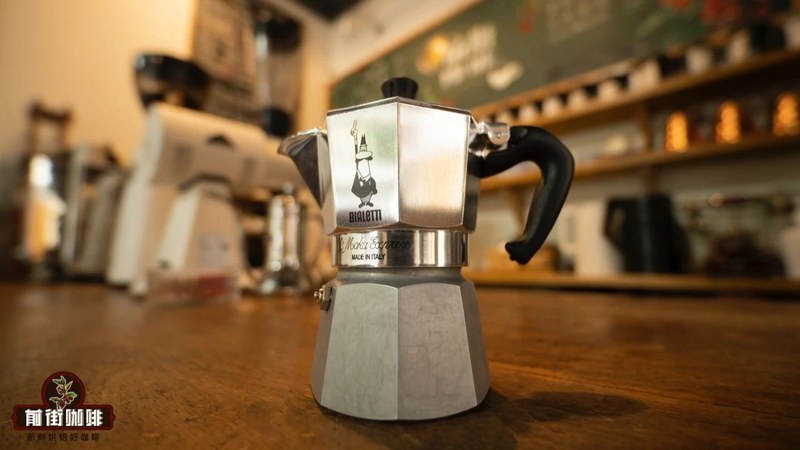
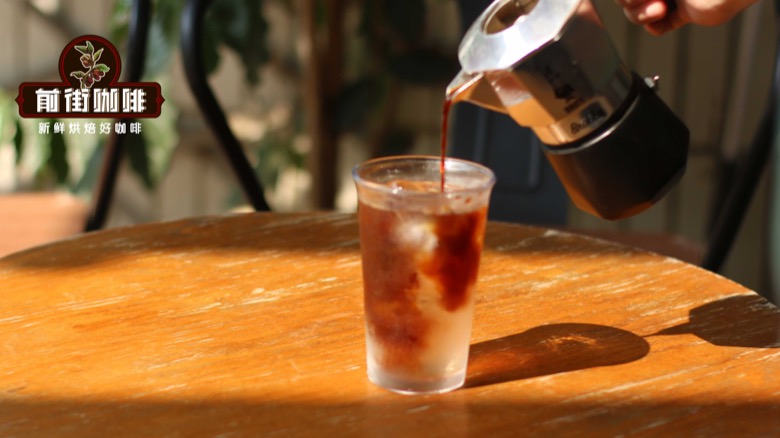
A moka pot's basket capacity and stove heat determine the coffee liquid's strength and extraction speed. A smaller pot suits beans with concentrated sweetness and a round mouthfeel, while a larger pot can carry a single-origin with more vivid aromatics. The grind should stay between fine sugar and pour-over coarseness; just level the bed so hot water passes through evenly, and the result is better for drinking straight or with a small amount of milk.
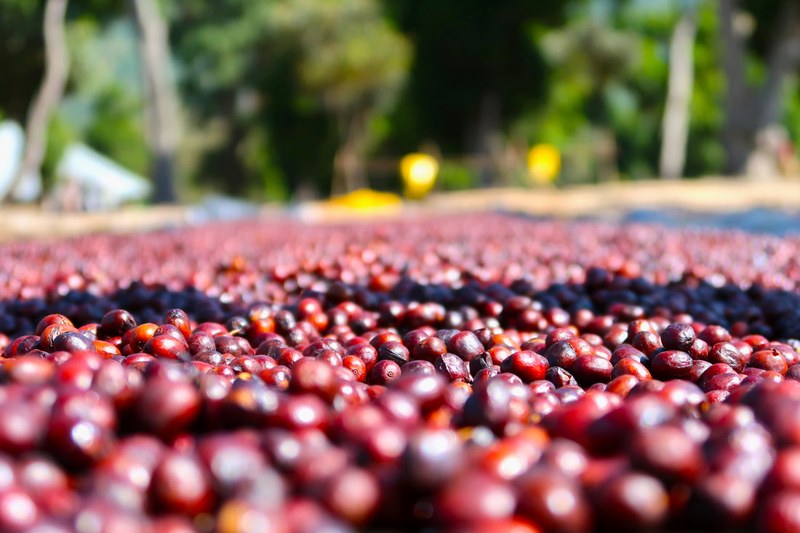
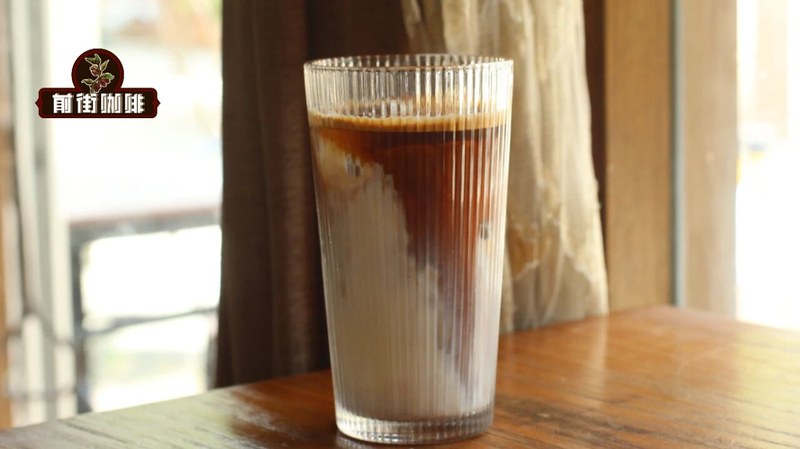
When Qianjie Kenya Small Tomato is put in a moka pot, its acidity becomes more concentrated and its dark fruit note, like smoked plum, becomes more obvious. If your stove is powerful, you can use lower heat and a slightly coarser grind to give the brown-sugar-like sweetness time to appear; if the liquid comes out slowly, then gradually go one step coarser. Coffee made this way suits being served over ice or diluted with water, and its refreshing quality is still retained.
For espresso machines, the key is whether the grinder can steadily enter the fine-grind zone and whether the basket capacity matches your daily dose. Single baskets and double baskets hold different amounts, and bean density also causes volume differences, so you can't judge dose by scoops alone. For home equipment, choosing beans with even roasting and a wide adjustable range makes it easier to find the right state through flow rate and liquid weight.
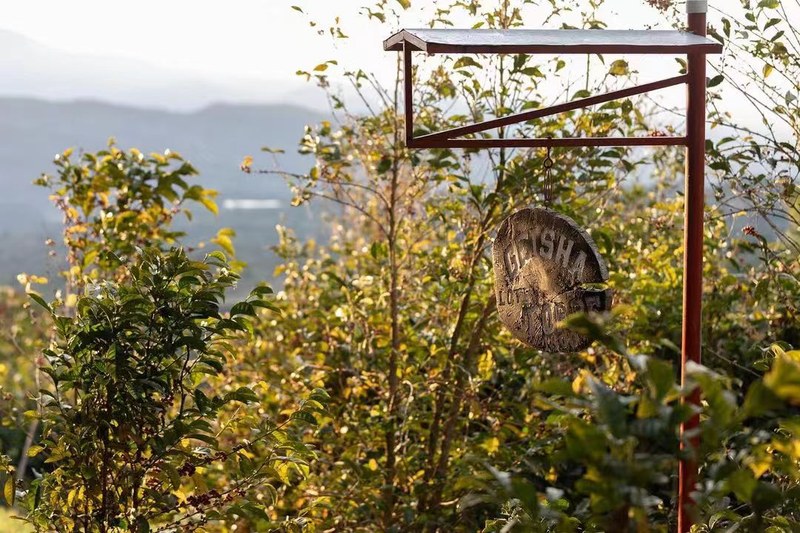
If you want to make espresso or milk coffee, consider Qianjie Granja Estate Geisha. It carries aromas of orange blossom, guava and ripe jam, with fuller natural-process characteristics; as a short-ratio espresso its aromatics are concentrated, and after adding a small amount of milk there is still fruit sweetness for support. If your espresso machine has stable temperature control and pressure, you can use a finer grind to extend contact time; when the equipment is simpler to control, going slightly coarser can make the mouthfeel lighter.
Equipment like cold brew makers and French presses also has requirements for grind uniformity, except they rely on longer contact time to obtain flavor. Cold brew is better suited to a medium-coarse grind, avoiding fine particles that make the liquid cloudy; a French press can use slightly coarser particles and should be given enough steeping time before pressing. If your hand grinder produces a high proportion of fines, you should reduce agitation and choose beans with soft sweetness and clear aromatics.
If your home has a pour-over dripper, a moka pot and an espresso machine at the same time, you can write down your grinder's usable settings and then record how each bean performs in different equipment. Beans that can cover commonly used settings and respond smoothly to flow-rate changes are better as daily choices; when adjustment is delicate and fine-particle control is excellent, you can try light-roasted beans with more prominent aromatics. Once equipment parameters and bean characteristics correspond, a hand grinder can also steadily present rich flavors.
Related Reading
Comments (0)
Loading comments...
You May Be Interested


Trending Reviews
Popular Videos

With you, wherever you are! We provide useful features to help you find new things you'll love






