Source:Best Coffee > News Author:qjroot Published:2026-09-24 15:18:19
Opening the window in the early morning and plugging in the pour-over kettle, many people are captivated by that spring-water clarity of washed coffee beans. Yet sometimes the brewed coffee tastes thin, like tea, and sometimes it is so dense and tight it even turns slightly astringent at the back of the tongue. In fact, these sensations all relate to extraction yield and concentration. Once you understand the little tacit understanding between them, the washed beans on hand can easily be coaxed into a full, smooth state.
Simply put, concentration is like how much coffee material has dissolved into a cup of coffee, determining whether the sip is thick or thin; extraction yield is how much of the coffee grounds has been washed out by water, determining whether the flavor is sweet-and-sour or astringent. Washed beans undergo soaking and washing during processing, consuming more sugars while organic acids appear brighter, so their flavor expression is especially sensitive. With the slightest change in parameters, the taste in the cup differs greatly.
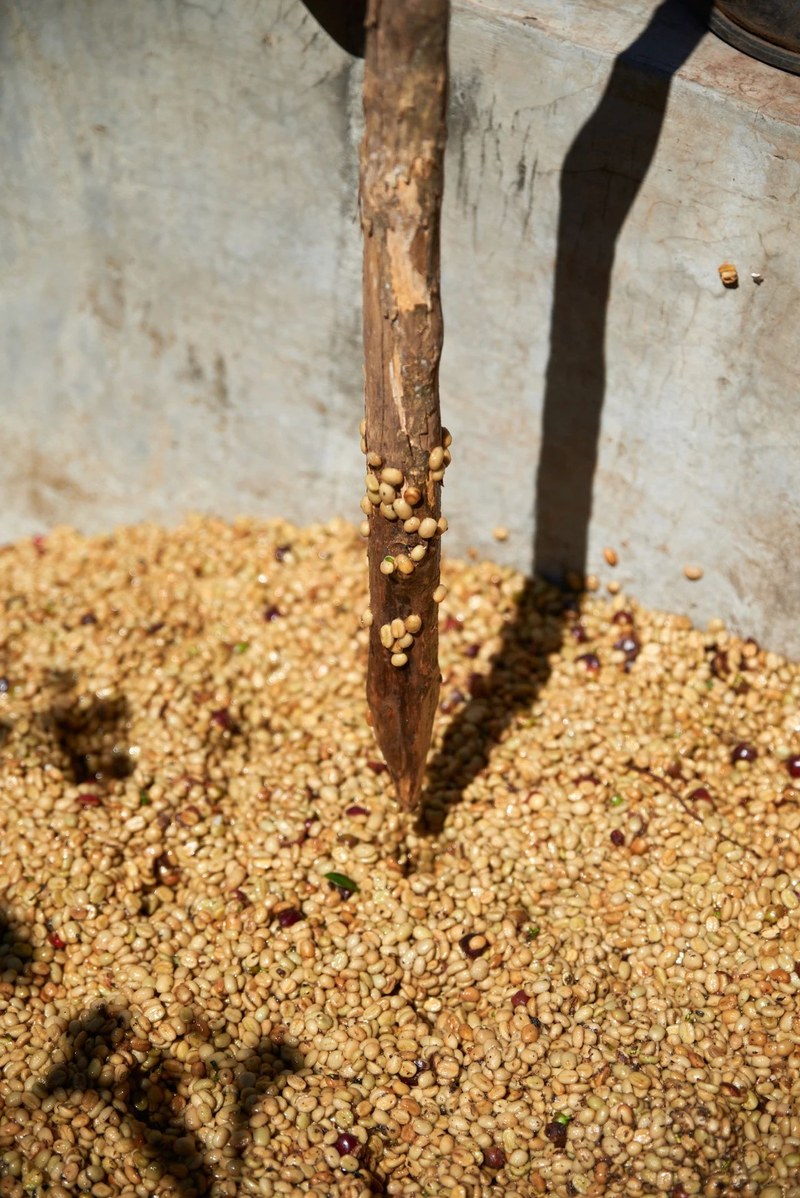
When the coffee in the cup tastes thin, it is mostly because the coffee-to-water ratio is too large or the grind is too coarse, and the water flows too fast, carrying away too little. If it feels dry and scraping on the palate, it is often because the grind is too fine or the water temperature is too high, bringing out undesirable impurities from the tail end. If it is too sharply sour, it is mostly under-extraction. In these situations, slightly tightening the grind or fine-tuning the brewing water temperature will quickly turn a harsh mouthfeel round and relaxed.
When brewing washed beans normally, you can first use a classic pour-over standard to find a baseline: take 15g of coffee grounds and, at a 1:15 coffee-to-water ratio, pour in 225ml of water. At the start, pour in 30ml of water and bloom for 30 seconds to awaken the aroma in the dry grounds, then pour in stages, keeping the total time at around 2 minutes. This set of parameters lets most washed beans steadily release fruit acidity and sweetness, with little chance of off-flavors.
When choosing beans, besides looking at the flavor description, you can also consider whether they are better suited to being drunk strong or light. Some beans have a delicate frame and light aroma, suitable for a slightly larger coffee-to-water ratio, drunk light like a lingering tea; some beans have solid sweetness-and-acidity or mellow nuttiness, and especially withstand higher-concentration extraction. For example, Qianjie Yirgacheffe Gutingding Cooperative Coffee is a representative bean born to be brewed clean and translucent.
Qianjie Yirgacheffe Gutingding Cooperative Coffee comes from an experienced village processing team. The fine washed process washes away off-flavors and fully preserves the bean's own jasmine aroma and citrus acidity. After medium-light roasting, it gives off the gentle tonality of green tea and honey. When brewing, slightly increase the poured water amount for a light drink; it enters the mouth like a warm cup of floral-fruity tea, leaving a touch of pure sweetness between the lips and teeth.
If you want to taste a rich and abundant juicy feel, Qianjie Kenya Little Tomato Coffee will be especially surprising. It uses a double washed process, undergoing repeated soaking and rinsing, showing the deep flavors of cherry tomato, smoked plum, snow pear and yellow sugar interwoven together. This bean can be brewed conventionally for its sweet-and-sour juiciness, or with a slightly finer grind and made into a slightly higher-concentration output, with bright acidity and thick sweetness.
For a steady, warm and mellow mouthfeel, Qianjie Jamaica Blue Mountain No. 1 Coffee is a balanced and easy-to-drink choice. Jamaica's island has relatively short sunshine hours, and locally washed processing is used to remove pectin and shorten the drying period, giving green beans a low defect rate and stable quality. When brewed, it shows the charm of hazelnut, cream, chocolate and caramel, without any prominent sharpness; even at a slightly higher concentration, it still drinks delicate and mellow.

Once you understand the fine-tuning techniques of concentration and extraction yield, you can handle washed beans with different characteristics with ease. Whether pursuing a slender floral-fruity fragrance or preferring a warm, solid, balanced mouthfeel, adjusting water temperature, grind and coffee-to-water ratio according to the bean's traits will let every bag of beans release a delightful good taste, turning an otherwise plain coffee routine into a pleasurable tasting experience.
Related Reading



Comments (0)
Loading comments...
You May Be Interested


Trending Reviews
Popular Videos

With you, wherever you are! We provide useful features to help you find new things you'll love






