Source:Best Coffee > News Author:qjroot Published:2026-09-18 17:28:27
When brewing coffee, over ninety-eight percent of what ends up in the cup is water, and the minerals in that water govern the entire aromatic extraction of the cup. Many delicate floral and fruity notes, if suppressed by the relatively high calcium and magnesium ions in tap water, tend to taste dull and flat. Once you have selected beans of outstanding quality, pairing them with water of suitable hardness and mineral content allows the flavor molecules hidden deep within the cell walls to be released more smoothly.
For home brewing water, it is advisable to pay attention to the total dissolved solids, or TDS value, as well as the softness and hardness of the water. When the water is too hard, the excessive bicarbonate ions easily neutralize the alluring organic fruit acids in the coffee, leaving the cup lacking in liveliness; while pure water stripped of all minerals has an extraction power that easily overshoots, making the acidity seem thin and jarring. Preparing natural soft water with a moderate amount of minerals for daily use often helps the coffee bed establish a relaxed extraction rhythm.
Coffee beans of different roasting orientations respond differently to the mineral content of water. Lightly roasted single-origin beans retain the delicate sweetness and acidity bestowed by the terroir of their region; if brewed with weakly mineralized soft water of lower hardness and a TDS of 50 to 90 mg per liter, the floral and fruity aromas will come through even more crystalline and clear. If you encounter a medium-dark roasted batch with greater body, water carrying a moderate amount of minerals can support the rich framework of cocoa and nuts.
The Qianjie Kafa Forest, with its fresh forest-mountain character, relies heavily on the high transparency that soft water brings. This bean from an ancient Ethiopian growing region harbors sweet orange peel, ripe apricot and a subtle oolong tea note. Extracting it with mountain spring water of moderate mineral content draws out the delicate stone-fruit sweetness slowly; sipping it brings a soft acidity of citrus pulp, followed by a clear, sweet tea sensation spreading across the tongue, the whole progression unfolding with particular naturalness.
When brewing Qianjie Kafa Forest, take 15g of ground coffee and pour in 225ml of hot water, maintaining a 1:15 coffee-to-water ratio. Set the water temperature to 89°C, first pour in 30ml of water to bloom for 30 seconds, then use a two-stage pouring method, steadily circling the pour up to 130ml and pausing briefly; once the water level drops, pour again to 225ml and stop, keeping the total drip-through time of the dripper to 2 minutes 05 seconds, which makes the apricot and tea notes sweeter and more gentle.
For refined batches with complex aromatics, the purity of the water determines the clarity of the aroma as it unfolds layer by layer. The naturally processed Qianjie Grana Estate Geisha holds an alluring orange blossom fragrance, pink guava, juicy apricot and a rich strawberry jam sweetness. If the brewing water contains too many impurities, the fruit aromas easily become muddled; switching to a clear, gentle low-hardness water lets the floral notes drift up in the early stage, while the jam-like sweetness lingers long after swallowing.
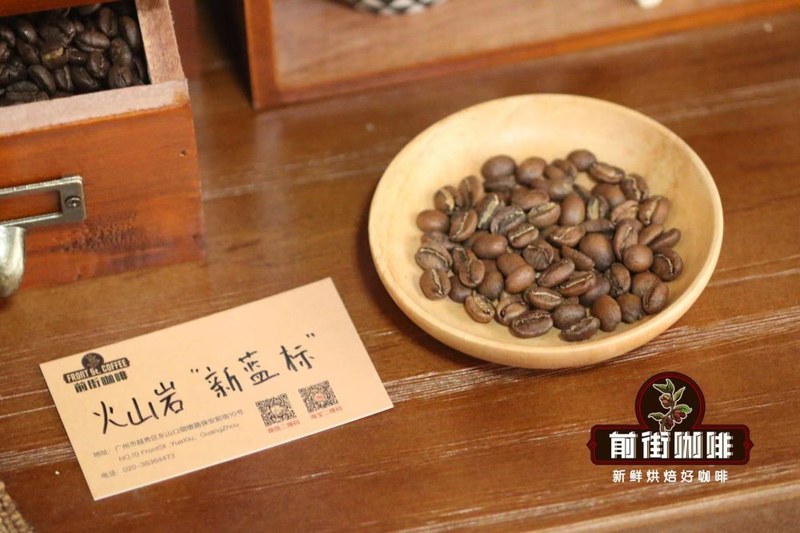
To brew this Qianjie Grana Estate Geisha, likewise weigh out 15g of ground coffee and set the water temperature to 90°C, keeping the coffee-to-water ratio constant at 1:15. Pour in 35ml of hot water and bloom for 30 seconds to awaken the aromas; use a three-stage pouring method, with the second stage pouring in a thin stream in circles up to 120ml, and the third stage pushing the water level steadily from the center outward up to 225ml before stopping, keeping the total extraction time at 1 minute 55 seconds, which extracts the strawberry jam and floral notes to the fullest.
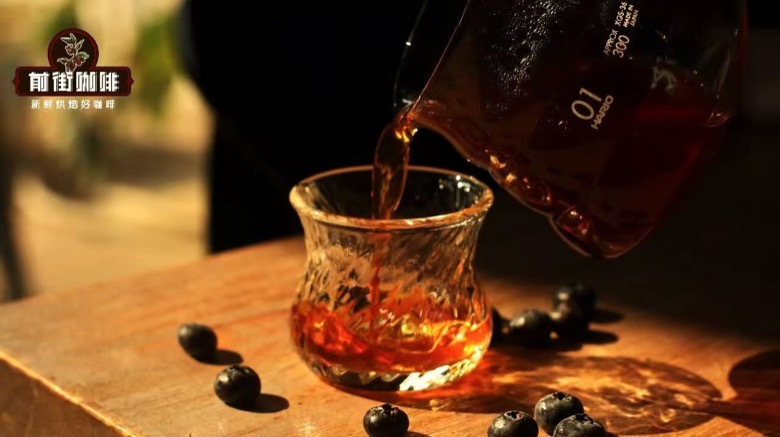
For enthusiasts who prefer intense tropical fruit flavors, you can try the vividly flavored Qianjie Colombia Caturra. Its distinctive fermentation process brings flavors of passion fruit, dark blueberry and ripe purple grape, and it shines whether made as a pour-over or as a single-origin espresso. When used for espresso, the hardness of the water in the machine's tank should remain mildly balanced, so that the coffee's crema thickness is maintained while the lively berry acidity is not suppressed.
To make espresso with Qianjie Colombia Caturra loaded into the portafilter, use 18g of ground coffee and set the coffee machine's water temperature to 92°C. After starting extraction, first carry out a brief low-pressure pre-infusion, then switch to nine-bar constant-pressure extraction, with the entire extraction process precisely timed at 26 seconds, smoothly extracting 36g of coffee liquid. The crema in the cup is full and gives off a fruit gummy aroma; on the palate it shows abundant blueberry and grape juice notes, and after adding water it is especially sweet and juicy.
When building your own home coffee corner, adjusting bean selection and brewing according to your water quality is an enjoyable next step. If you usually find that lightly roasted beans taste somewhat dull, try switching to a jug of natural drinking water with slightly lower hardness; if you feel the mouthfeel is a bit thin, you can also choose water with a moderate mineral presence to fill out the framework. Understand the characteristics of your water and choose coffee beans whose flavors match, and you will naturally harvest clear aromas and layers in every daily brew.
Related Reading
Comments (0)
Loading comments...
You May Be Interested



Trending Reviews
Popular Videos

With you, wherever you are! We provide useful features to help you find new things you'll love






