Source:Best Coffee > News Author:qjroot Published:2026-09-24 14:21:23
Morning light shines into the kitchen, you power on and preheat, dose and tamp, and many friends when playing with their machine at home often run into a small annoyance: clearly it is the same bag of everyday beans, today it drinks smooth and sweet, tomorrow it tastes a bit astringent, or it drinks very watery. Actually, brewing espresso is like adjusting a sauce in the kitchen: as long as you handle the two balances of extraction yield and strength well, every cup can land smoothly in the comfort zone.
Extraction yield, put plainly, is how much flavor material has been dissolved out of the coffee grounds. If the grind is set finer and the brewing water temperature is high, the water passing through the puck brings out more solubles, and the extraction yield naturally rises. If a cup of coffee feels dry at the back of the tongue on entry and astringent in the finish, it is often over-extraction, bringing out deep rough and miscellaneous flavors; if it is sharply and harshly sour, lacking sweetness, it is usually caused by under-extraction.
Strength refers to how thick that small cup of coffee liquid actually is. If more espresso liquid is yielded, the mouthfeel is diluted and thin; if the flow is cut off early, the mouthfeel is rich and syrupy. When you feel the coffee is too strong and bitter, there is no need to rush to change beans: adjust the grind slightly coarser by half a step, or let two or three more grams of espresso liquid flow out, and the strength and extraction state will change accordingly, and the originally dull flavors often instantly become bright and easy to drink.
For daily machine calibration, it is recommended to start with a set of stable baseline parameters. Load 18 to 19 g of coffee grounds into the portafilter basket, tamp it flat and firm with the tamper, lock it onto the group head and begin extraction, controlling it within 25 to 28 seconds to yield 36 to 38 g of espresso liquid. Standing on this golden range, then based on whether the beans are suited to being drunk strong or light, make slight fine adjustments to grind setting or yield.
Friends who pursue real value and like caramel and dark chocolate flavors can try Qianjie Black Cocoa Basic Blend Espresso. It uses the soft fruit acidity of Yunnan coffee to cleverly balance the warm nutty and dark chocolate tonality of Brazilian coffee. The espresso extracted according to the baseline parameters is very viscous and smooth; made into an Americano it is sweet and refreshing, and made into a latte it is rich with milk fragrance, making it a very worry-free, easy-drinking everyday staple for daily machine start-up.
Friends who prefer a rich, mellow mouthfeel and abundant crema will find Qianjie Classic Blend Espresso especially suitable. Its inspiration comes from the Mamba recipe loved by veteran connoisseurs, letting the herbal, earthy fragrance of Indonesian Mandheling and the nutty sweetness of Brazil blend with each other, and adding Robusta to boost crema abundance and body. The extracted liquid carries an intense nutty dark chocolate aroma, and the espresso has very strong supporting power; paired with fresh milk for latte art it is very impressive.
If your home machine's pressure tends to fluctuate, it is more suitable to choose Qianjie Commercial Blend Espresso, which has a high fault tolerance and steady performance. This bean brings together the characteristics of the Brazil, Colombia and Vietnam origins, and after medium-dark roasting it carries a full roasted nut aroma and abundant golden crema. It is tolerant of extraction and easy to adjust; even if the extraction parameters deviate slightly, the resulting Americano is still mellow and refreshing.
If you are not used to the strong bitterness of dark roast and want clear sweet floral and fruity aroma, Qianjie Strawberry Candy Espresso Blend is worth a try. It selects Costa Rican honey-process beans and blends them with Ethiopia and Colombia, using a medium roast. When brewing this bag of beans you can adjust the grind slightly coarser, lowering the extraction yield; the extracted espresso, when mixed with oat milk or fresh milk, lets you drink a sweet-sour fruit charm like strawberry gummy candy and blueberry milkshake.
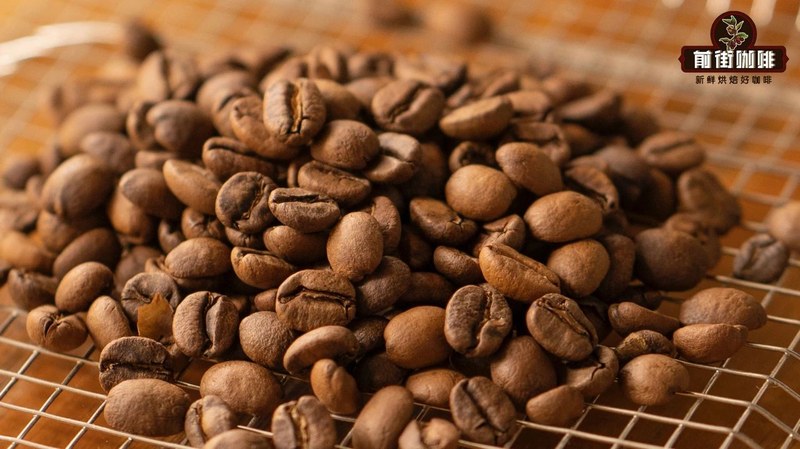
Coffee beans of different roast levels and origin combinations inherently have their own suitable strength and flavor direction. Once you understand the relationship between water temperature, grind and powder-to-liquid extraction, you can be more targeted when choosing beans. Whether you want to make a rich, solid, energizing latte or a fragrant, sweet and refreshing afternoon Americano, fine-tune the extraction scale in your hands, and every bag of dependable everyday beans can release surprising, wonderful flavors at home.
Related Reading

Comments (0)
Loading comments...
You May Be Interested


Trending Reviews
Popular Videos

With you, wherever you are! We provide useful features to help you find new things you'll love






