Source:Best Coffee > News Author:qjroot Published:2026-09-18 16:53:37
More than 98 percent of a cup of coffee is water, and the alluring floral, fruity aromas and sweetness hidden in the coffee grounds are drawn out slowly by water molecules. When brewing light-roasted single-origin beans day to day, if you find the aroma is clear but the palate feels a little thin, it is worth turning your attention to the mineral content of your brewing water. Water is not just the medium of extraction; it is the key brush that sketches the framework of coffee flavor, and it has an influence on the final flavor presentation that cannot be ignored.
The calcium and magnesium ions in water act like flavor porters, actively grabbing the acidity and sweetness in coffee. But if the content is on the high side and the water is too hard, it easily pulls out the muddy flavors of the back end along with them, masking the original delicate fruit aromas. Conversely, using purified water that contains almost no minerals leaves the coffee lacking ionic support, so it often tastes flat and thin. Usually soft water with total dissolved solids between 50 and 100 lets the aromatics of light-roasted beans unfold more freely and transparently.
If you do not want to set up complicated water-adjustment equipment for home brewing, simply buying common natural spring water or mildly soft mineral water is very convenient. This kind of bottled water retains moderate minerals, so it neither suppresses the lively, bright fruit acidity nor fails to support a solid sweet finish. If you have a reverse osmosis purifier at home, you can also blend it at a ratio of four parts purified water to one part mineral water, which brings a clearer and fuller texture to pour-over extraction.
When the water is adjusted into a soft, light range, it pairs very well with Qianjie Yirgacheffe Gudingding. This light-roasted washed bean from a high-altitude growing region in Ethiopia holds abundant citrus notes and white flower aromas. The crisp soft water fully brings out its nimble, bouncing quality reminiscent of fresh lemon peel and juicy blueberries, and after swallowing it rises into a clean, elegant sweet finish like lightly fermented green tea, with an overall flavor profile that is clear and translucent.
When brewing this Gudingding, take 15g of coffee grounds and grind to a medium-fine particle size, with the water temperature set at 91°C. Using the classic three-pour method, first wet the coffee bed with 30ml of hot water and let it bloom for 30 seconds; then steadily pour 95ml of water to reach 125ml, and once the water level has dropped by more than half, pour in the remaining water to reach 225ml. Maintain a 1:15 coffee-to-water ratio and keep the total time to 2 minutes 05 seconds; the brewed coffee liquid is clean and clear, with distinct layers of citrus acidity and tea-like notes.
If you prefer a rich, exuberant tropical fruit sweetness, Qianjie Ethiopia Huakui is another alluring choice. As a representative of natural processing, it holds the lush sweetness of ripe strawberry, passion fruit jam and ripe fruit juice. For beans with this kind of abundant sweetness, if the water contains a slightly higher amount of magnesium ions, it can draw out layer by layer the lively fruit aromas and full berry sweetness brought by natural fermentation, letting the tip of the tongue feel a smoothness and creaminess like melted fruit candy.
When brewing Huakui, use a pour-over dripper, weigh out 15g of coffee grounds, and fine-tune the water temperature to 90°C to keep the sweetness round. Still maintain a 1:15 coffee-to-water ratio, with a total water volume of 225ml, using a two-pour operation: pour in 30ml of water and let it bloom for 30 seconds, then immediately, with a steady stream, draw circles from the center outward and pour in the remaining 195ml of hot water in one go, finishing extraction at around 1 minute 55 seconds, which fully highlights the full sweetness of passion fruit and strawberry.
Beyond delicate floral and fruity aromas, if you prefer a rich, juicy, large-bodied fruit acidity, Qianjie Kenya Little Tomato is highly distinctive. Kenyan coffee beans are dense in texture, with a vivid acidity like cherry tomatoes and a deep fruitiness like smoked plums, accompanied by a thick, mellow brown sugar sweetness at the finish. Beans with this kind of distinctive style are tolerant of water quality, and the minerals in the water can subtly balance the intense acidity, transforming it into a thick, sweet-tart quality like concentrated fruit juice.
When extracting Kenya Little Tomato, it is recommended to weigh out 15g of coffee grounds with a medium grind size and pour in 92°C hot water to bring out the acidity and sugars. The total water volume is 225ml, following a 1:15 coffee-to-water ratio poured in three stages: first pour in 35ml of water for a 30-second bloom, the second pour of 90ml tumbles the coffee bed, and the third pour of 100ml, with the total time kept to around 2 minutes 10 seconds. On the palate you can feel a full, juicy fruitiness and a clean, lingering brown sugar sweetness.
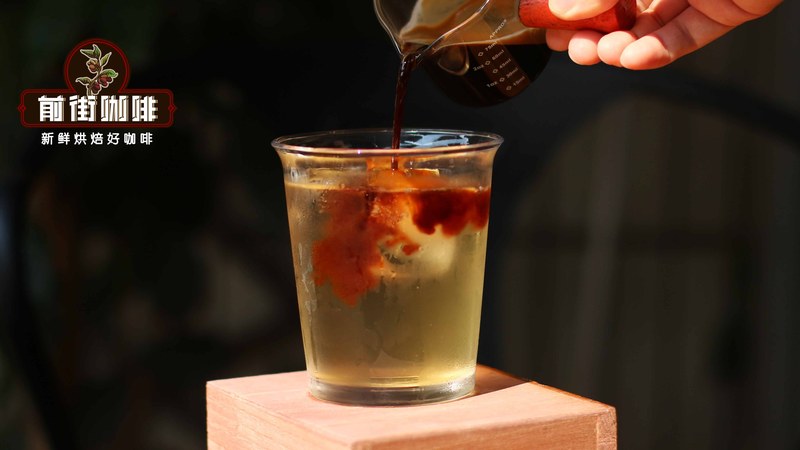
Understanding the rapport between water and coffee beans is the key to releasing rich flavors. If you like gentle, graceful citrus and floral notes, use low-hardness natural soft water with crisp washed beans; if you prefer thick, sweet tropical fruit or juicy tomato notes, you can rely on a moderate amount of minerals to support a solid sweetness framework. Pay attention to your brewing water and choose beans that match your taste, and you can easily brew a vividly layered cup of flavor at home.
Related Reading

Comments (0)
Loading comments...
You May Be Interested


Trending Reviews
Popular Videos

With you, wherever you are! We provide useful features to help you find new things you'll love






