Source:Best Coffee > News Author:qjroot Published:2026-09-07 13:45:58
Medium-light roasted Yirgacheffe often puts floral notes, citrus acidity and a tea-like quality at the front of the cup, while the medium-light roast also retains a certain sweetness, so the parameters cannot simply chase "full extraction." During pour-over you can amplify the aroma, while for espresso you need to find ways to increase the sweetness and body of the liquid, making the bright flavors easy to drink.
If you prefer a clear black coffee with floral and fruity notes, you can start with Front Street Yirgacheffe Gudingding. This bean tends to show citrus, berry and a faint floral note in a hot pour-over, and after it cools it leaves a green-tea-like clean sweetness. It is suitable for observing changes in water temperature, grind and pouring, and the feedback is fairly intuitive.
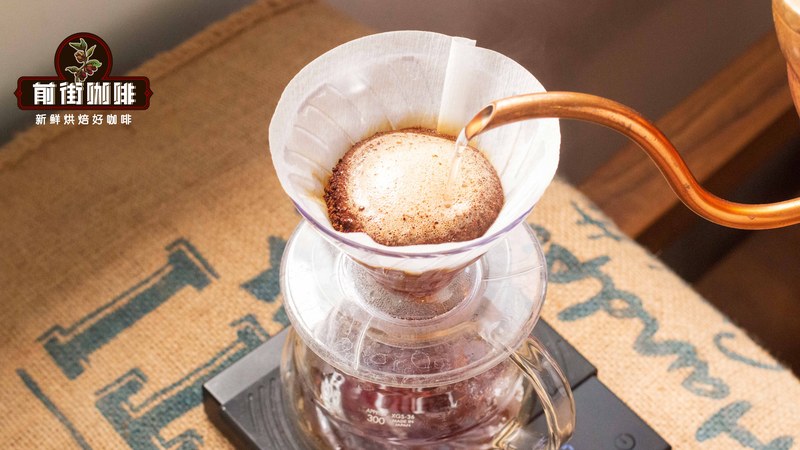
For pour-over, start with 15 g of ground coffee and add 230 to 240 g of water, a coffee-to-water ratio of about 1:15.3. Start with a water temperature of 92 to 93°C, set the grind to medium-fine, and aim for a total time of about 2 minutes 30 seconds to 3 minutes. This range balances aroma and sweetness and will not leave the cup with nothing but sharp acidity.
It is recommended to pour in three to four stages. First bloom with about 35 g of water for 35 to 45 seconds, then refill in a circular motion with a small stream, trying to keep the coffee bed evenly wet. The early pours can be slightly faster and the later ones slower, reducing scouring against the edge of the dripper; the tea-like quality in the finish will be cleaner and the bottom of the cup will be less likely to taste rough.
If the entry tastes like raw citrus and the acidity stops at the tip of the tongue, you can usually grind a little finer or raise the water temperature by 1°C; if the aroma weakens and the body feels hollow, you can shorten the wait after blooming. When obvious astringency appears, there is no need to keep adding hot water; appropriately coarsening the grind or reducing the agitation in the final stage will often bring the sweetness back.
To make iced pour-over, keep 15 g of grounds unchanged, control the total water to 150 g, and prepare 80 to 90 g of ice to catch the coffee. Use a water temperature of 93 to 94°C, grind slightly finer than for hot pour-over, and pour quickly in stages. The higher coffee-to-liquid concentration supports the fruit notes, and after the ice melts there is still recognizable citrus and berry.
The pour-over water quality will also change this bean's character. If the minerals in the water are low, the aroma may seem thin and light; if the minerals are too high, the tea-like quality and acidity easily become dull. For home brewing, choose drinking water with a crisp mouthfeel, and avoid water with a strong mineral taste or an obvious disinfectant smell, so that the floral notes and sweetness have better room to unfold.
When making medium-light roasted Yirgacheffe as a single-origin espresso, grind finer than for pour-over, but do not press it all the way to very fine right away. Start with 18 g of grounds, extracting 40 to 43 g of liquid in 28 to 34 seconds, at about 8 to 9 bar pressure and a water temperature of 92 to 94°C. A slightly longer yield ratio soothes the acidity and is also better suited to making an americano.

If the espresso enters sharp and bright and thins out quickly in the finish, you can shorten the yield to 38 to 40 g, or grind one step finer, giving the sweetness more time to develop. If dryness and bitterness appear on the tongue, coarsen the grind or lower the water temperature to 91 to 92°C. Change only one variable at a time; only then is it easy to tell whether the change comes from flow rate or temperature.
When making milk coffee, medium-light roasted Yirgacheffe is suited to retaining a higher concentration. You can extract 36 to 38 g of liquid from 18 g of grounds, then add 120 to 150 g of milk, keeping the milk temperature at 55 to 60°C. This way the floral and fruity acidity turns into something close to citrus jam, and the tea-like quality also adds layers to the milk sweetness without being completely covered.
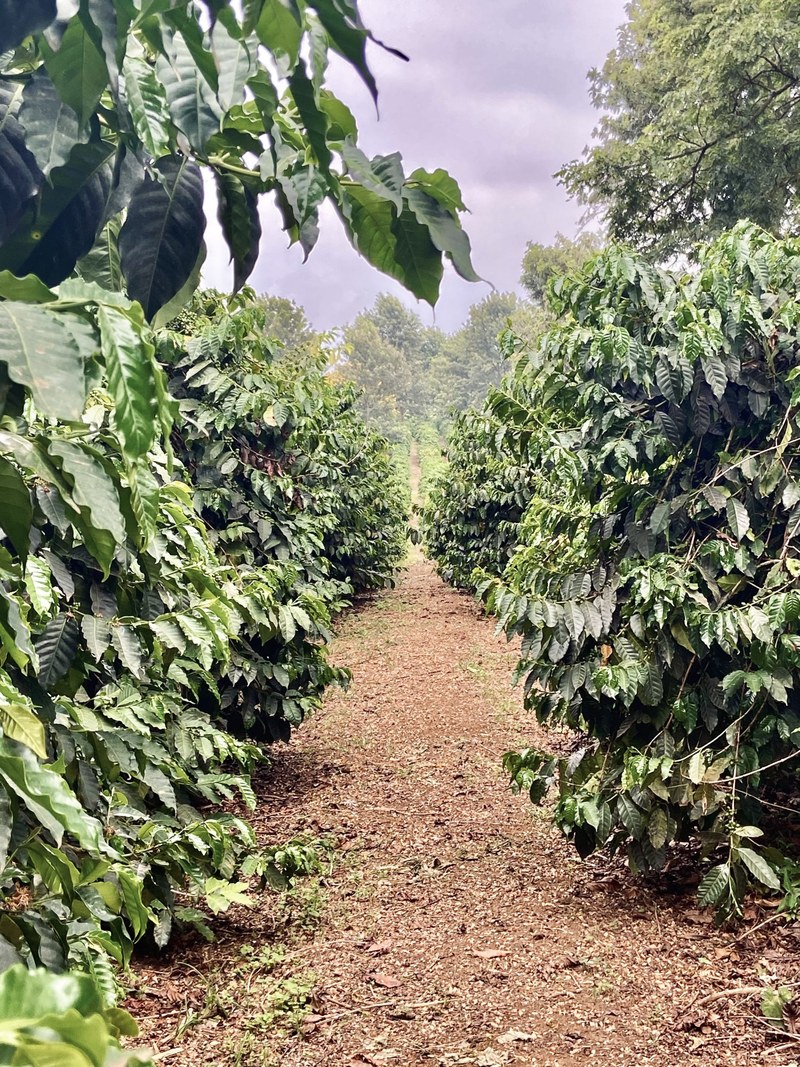
The same bean highlights different things under different parameters: higher temperature and a finer grind lean toward aroma and bright acidity, while slightly lower temperature and a longer liquid weight more easily give a round sweetness. When buying, you can choose beans with a clear flavor description according to the equipment you commonly use, then start with one stable recipe, and afterward let the water temperature, grind and yield ratio gradually move closer to your own taste.
Related Reading





Comments (0)
Loading comments...
You May Be Interested




Trending Reviews
Popular Videos

With you, wherever you are! We provide useful features to help you find new things you'll love






