Source:Best Coffee > News Author:qjroot Published:2026-09-18 17:06:12
A rich and smooth milk coffee depends on high-quality water as its foundation. The minerals in water act like flavor carriers: magnesium ions help extract rich aromas, calcium ions are responsible for building sweetness, and bicarbonate affects the balance of acidity and sweetness. If you brew directly with tap water, the relatively high hardness easily suppresses the aroma; switch to drinking water with suitable hardness, and the extracted espresso base will be much cleaner, blending with milk to taste even sweeter and more refreshing.
When making a latte or moka pot milk coffee at home, soft water with moderate minerals is often more suitable. It is usually recommended to choose natural spring water with total dissolved solids between 50 and 120, or water softened through a filter cartridge. This kind of water does not easily cause scale buildup in the machine, and it also allows the nutty and cocoa aromas in the coffee grounds to be fully released. When smooth, pure water meets abundant coffee oils, and then blends into dense, warm milk, the overall sweetness becomes especially soft and smooth.

Under the high-pressure environment of an espresso machine, water quality is especially critical to the expression of espresso crema. If you want a milk coffee base as rich as melted chocolate, a dark-roast blend is the ideal partner. Qianjie Black Cocoa Blend is designed specifically for a thick mouthfeel, with flavors leaning toward dark chocolate, roasted nuts and intense caramel sweetness, and very low acidity itself. Extracting with soft water can reduce off-flavors and build the nutty and cocoa flavor framework completely in the cup.
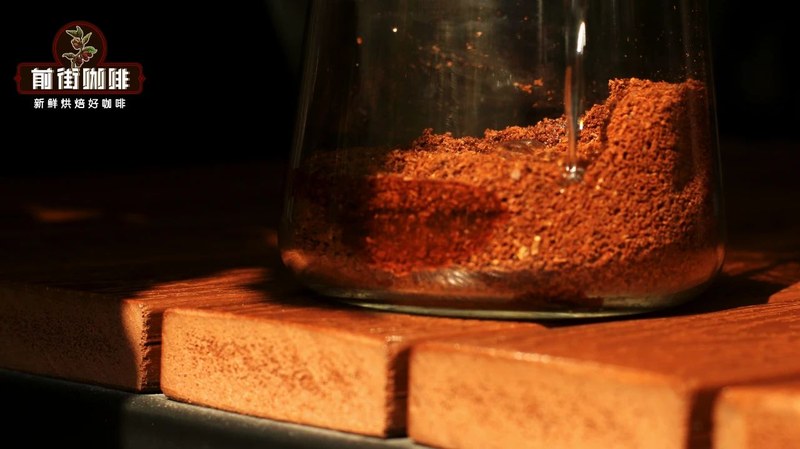
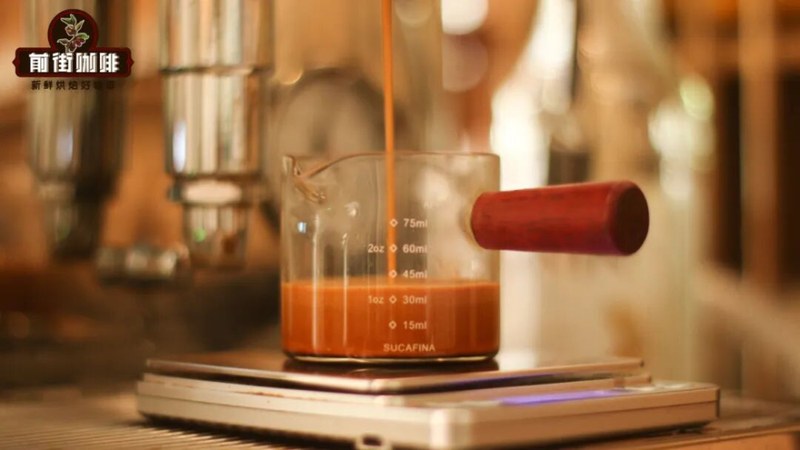
When using an espresso machine to extract Qianjie Black Cocoa Blend, you can choose a double basket. Fill the basket with 18g of finely ground coffee, distribute and tamp, then start the 92°C water temperature program. The machine first performs a 4-second low-pressure pre-infusion, then switches to 9bar constant-pressure extraction, with the process controlled at 26 seconds, successfully extracting 36g of golden, thick espresso liquid. Then pour it into a cup and add 180ml of fine milk foam steamed to 60°C, and the whole milk coffee gives off the rich aroma of hot cocoa.
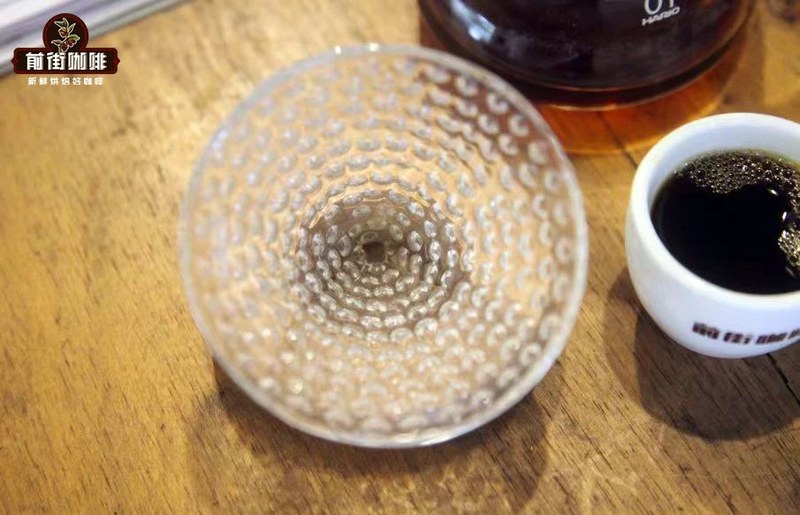
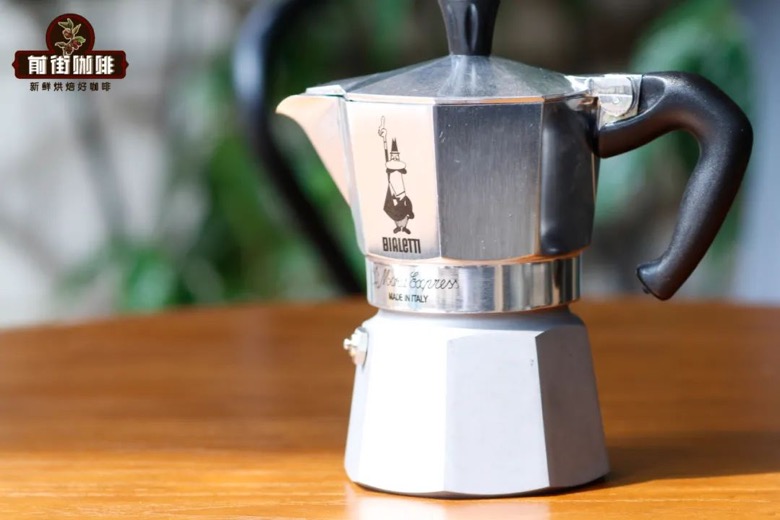
The moka pot is a common tool for making an espresso base at home. It relies on steam from the lower chamber to create pressure that pushes hot water up through the coffee bed, and the extraction temperature is usually higher, making it especially sensitive to water quality. When the water in the lower chamber has high hardness, the brewed coffee liquid easily carries a dry, astringent roasted note; switching to low-hardness pure warm water not only shortens the heating and boiling time, but also fully brings out the deep, rounded herbal sweetness in dark-roast single-origin beans.
Among the beans suitable for a moka pot, Qianjie PWN Indonesia Golden Mandheling has a unique recognizability. This bean carries an intense herbal aroma, the slight bitterness of dark chocolate and a strong caramel aftertaste, with very weak acidity. The Mandheling espresso liquid brewed with water at medium-low TDS has a texture like thick syrup, and when mixed with heavy milk fat, the originally powerful bitter-sweet flavors are wrapped by the milk into rich layers like licorice milk candy.
Making Qianjie PWN Indonesia Golden Mandheling with a double-valve moka pot is very handy. Evenly fill the basket with 14g of medium-fine ground coffee, and pour 100ml of warm water at about 60°C into the lower chamber. Tighten the pot body and place it on an electric ceramic stove, turn on medium-low heat, for a total time of about 1 minute 45 seconds. When the coffee liquid flows steadily from the spout to about 40ml and the color becomes lighter, remove it from the heat quickly. Pour the liquid into a cup and add 120ml of iced milk, and you can drink an iced latte interwoven with herbs and dark chocolate.
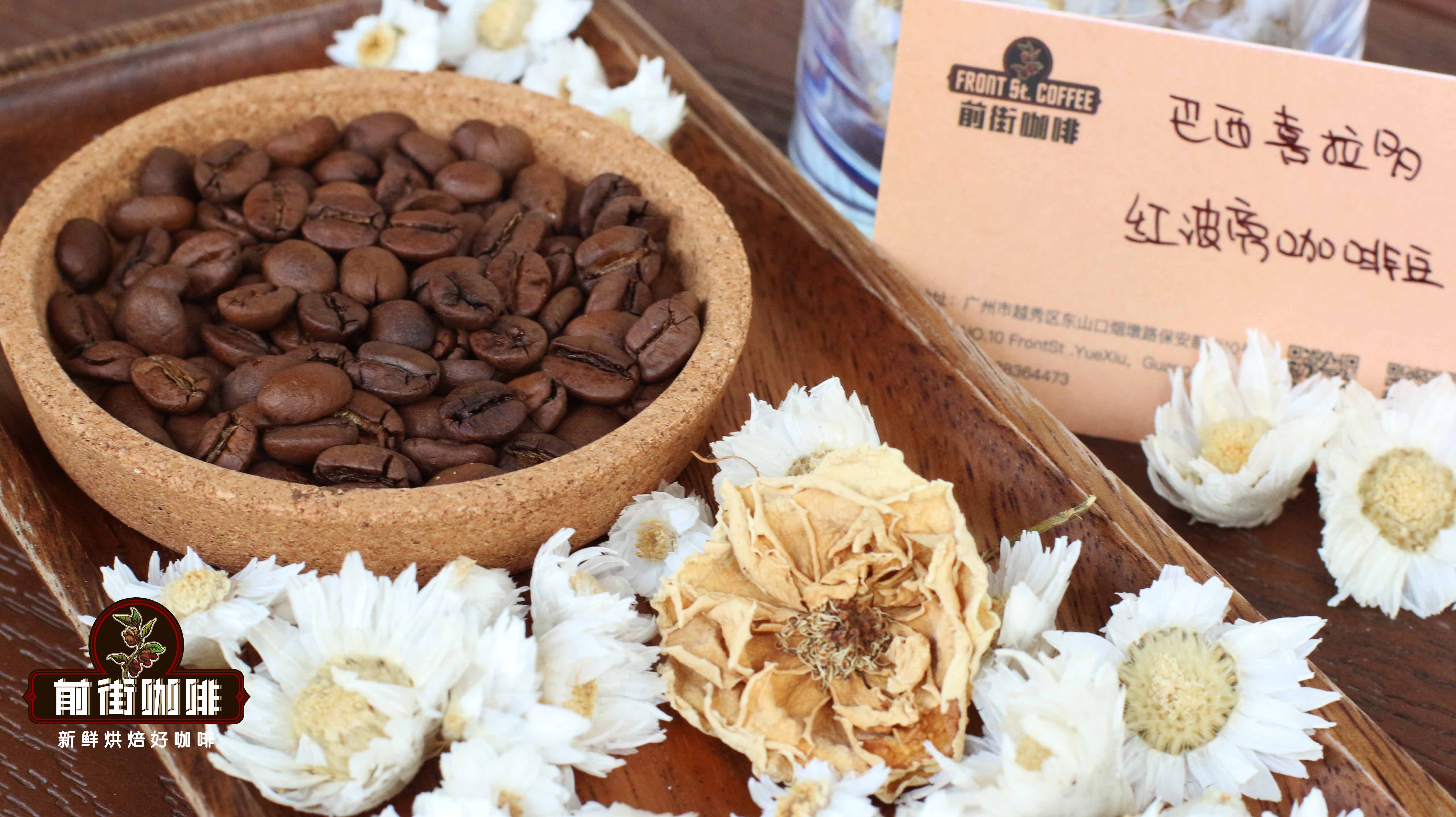
If you want a warm, gentle milk coffee with a texture close to the Blue Mountain style, a medium-roast single origin is a good choice to try. Qianjie Papua New Guinea Paradise Bird is known for its clean, rounded and soft sweetness, with a balanced nutty sweetness and gentle citrus acidity. When it meets softer water, its delicate brown sugar sweetness can be shown just right, and after adding a small amount of milk, it presents a fresh sweetness like maltose and almond milk.
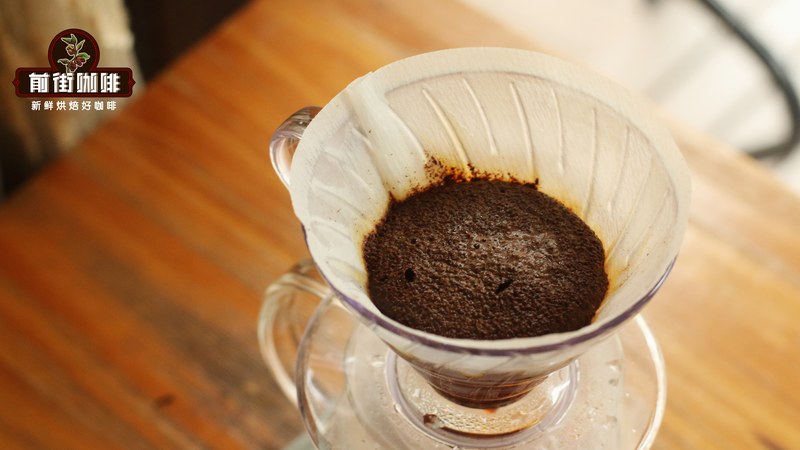
To experience the original character of Qianjie Papua New Guinea Paradise Bird in soft water, making black coffee by pour-over is also very pleasant. Weigh 15g of coffee grounds and grind to the size of medium-coarse granulated sugar, water temperature 88°C, prepare 225ml of pure soft water at a powder-to-water ratio of 1:15, with the total time controlled at 2 minutes. Use three-stage pouring: first pour 30ml of water and bloom for 30 seconds, in the second stage pour 90ml in a circular motion to 120ml, in the third stage pour 105ml to 225ml and remove the dripper; the cup is warm, gentle and clear.
Water quality is like a flavor tuner for a cup of coffee: soft water can raise the fineness of the aroma, while moderate trace elements make the mouthfeel more solid. When making milk coffee with a moka pot or espresso machine in daily life, pay a little attention to the water quality in the kettle, and pair it with beans of suitable roast level, and the bitter-sweet flavors of the espresso base can cleverly fit with the natural lactose of milk, making it easy to prepare a daily good coffee full of aroma at home.
Related Reading

Comments (0)
Loading comments...
You May Be Interested


Trending Reviews
Popular Videos

With you, wherever you are! We provide useful features to help you find new things you'll love






