Source:Best Coffee > News Author:qjroot Published:2024-12-15 18:39:14
When it comes to Costa Rican coffee, many people think of the country's distinctive honey processing, and many are misled by the name "Honey processing" into thinking it is a processing method that adds honey. In fact, it is not. This is mainly because in honey processing, the mucilage is retained, and the mucilage contains sugar and is sticky and gooey, which easily reminds people of honey, hence the name honey processing.
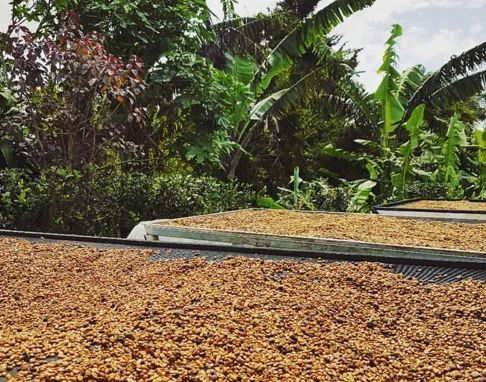
The predecessor of honey processing is actually Brazil's pulped natural, which was invented by Brazil at the time to save water and improve its coffee quality. Later, Costa Rica drew on this processing method, improved it to form honey processing, and carried it forward; it is now popular in several coffee-producing countries in the Americas.
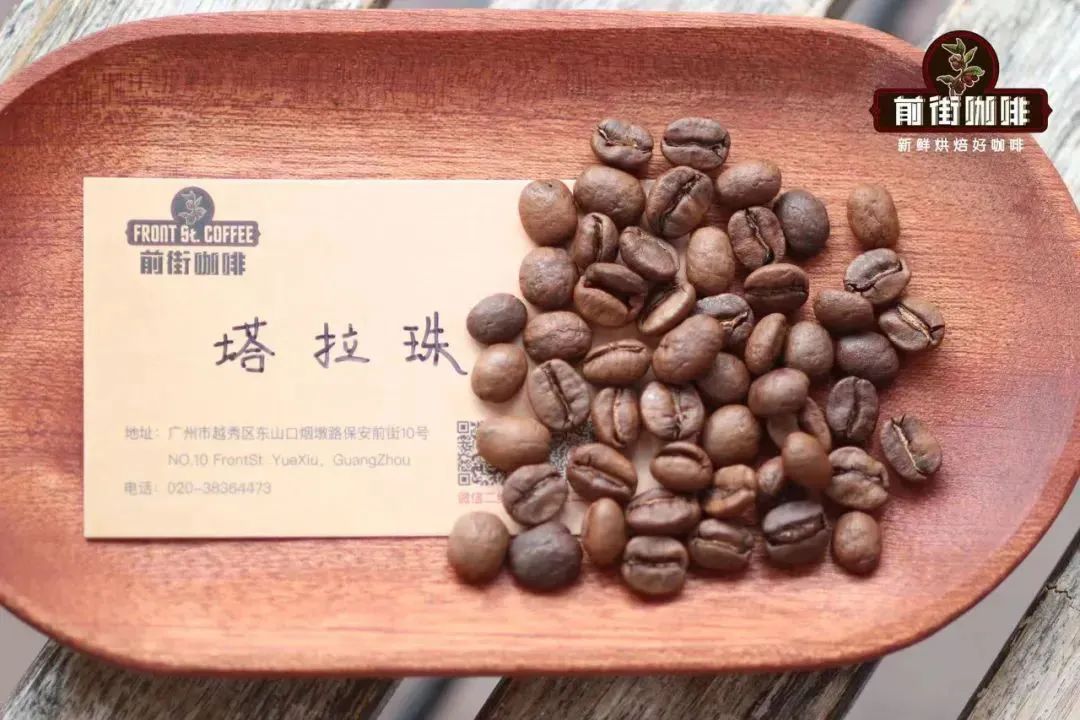
In fact, at the very beginning, Costa Rica mainly used the washed processing method, and at that time it was also recognized as a pioneer in achieving the modernization of washing stations and wet mills. To this day, many coffee farmers still choose washed processing, since washed processing can restore the aroma of the coffee beans themselves to the greatest extent and showcase their basic flavors. Therefore, in the Qianjie entry-level selection series, the coffee beans from Tarrazu, Costa Rica, are washed processed, with sweet orange and nut flavors, light and pure, with a pleasant aroma, showcasing the local terroir of Costa Rica.
But during 1997-2000, international coffee prices were sluggish, and Costa Rican coffee growers needed to improve quality (and thereby raise prices), so some growers no longer sold coffee cherries to large processing plants, but instead began to study processing methods and produce and sell their own coffee; at this time they began to introduce Brazil's pulped natural processing.
In addition, they also developed the demucilager. Compared with Brazil's depulper, the demucilager can adjust the pressure and the aperture size, and when removing the pulp and skin it can retain more or a more complete mucilage layer.
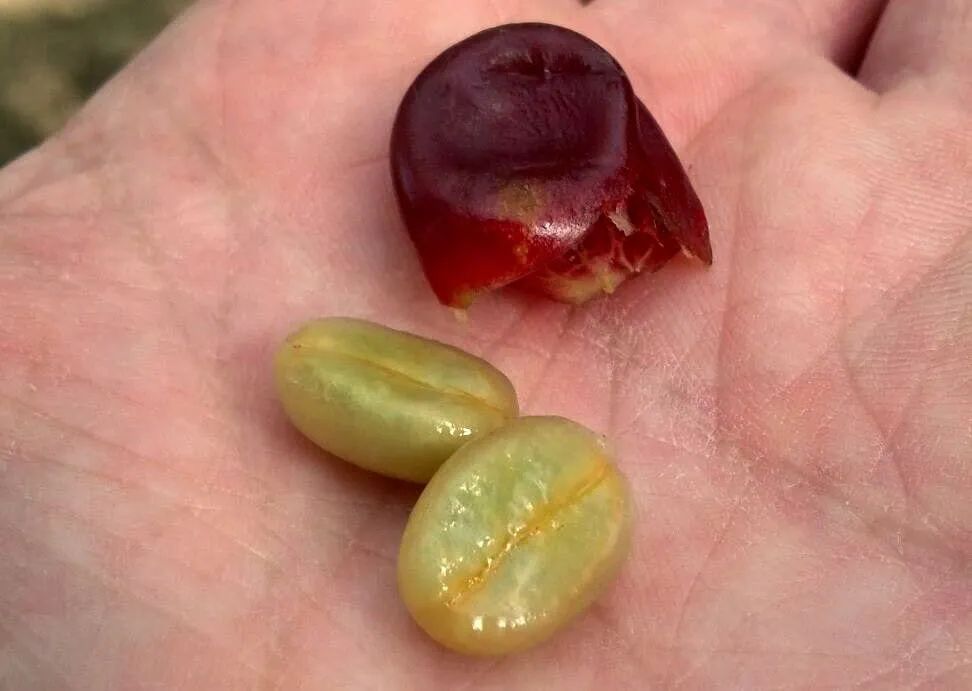
Afterward, the coffee beans with the mucilage layer still attached are dried. Because the retained mucilage undergoes a brief fermentation during the sun-drying process, it adds acidity to the coffee beans, and a little of the sugar in the mucilage layer also seeps into the beans, increasing their sweetness. As a result, the flavor is richer than that of Brazil's semi-washed process. However, honey processing requires special care during drying, since the mucilage retained on the coffee beans also comes with plenty of sticky liquid, and the beans must be turned constantly throughout the drying process to avoid mold and over-fermentation.
Later, in 2008, Costa Rica suffered a severe earthquake, leaving many places without water or electricity, and the government adopted various measures to save water. Faced with the water shortage, more growers began trying honey processing, a method that uses less water, though some coffee farmers believed this process was prone to uncontrollable fermentation.

Until more and more people achieved good results after experimenting, honey processing gradually developed in Costa Rica. Through cupping, it was found that compared with washed processing, honey-processed coffee beans have higher sweetness, medium acidity, and a mouthfeel that is not overly harsh.
As it developed further, black honey, red honey, yellow honey and white honey were distinguished by the thickness of the mucilage retained and the drying time, though it was later found that when removing the pulp and skin, the proportion of mucilage retained could not be precisely controlled, and it was difficult to change the degree of mucilage retention.
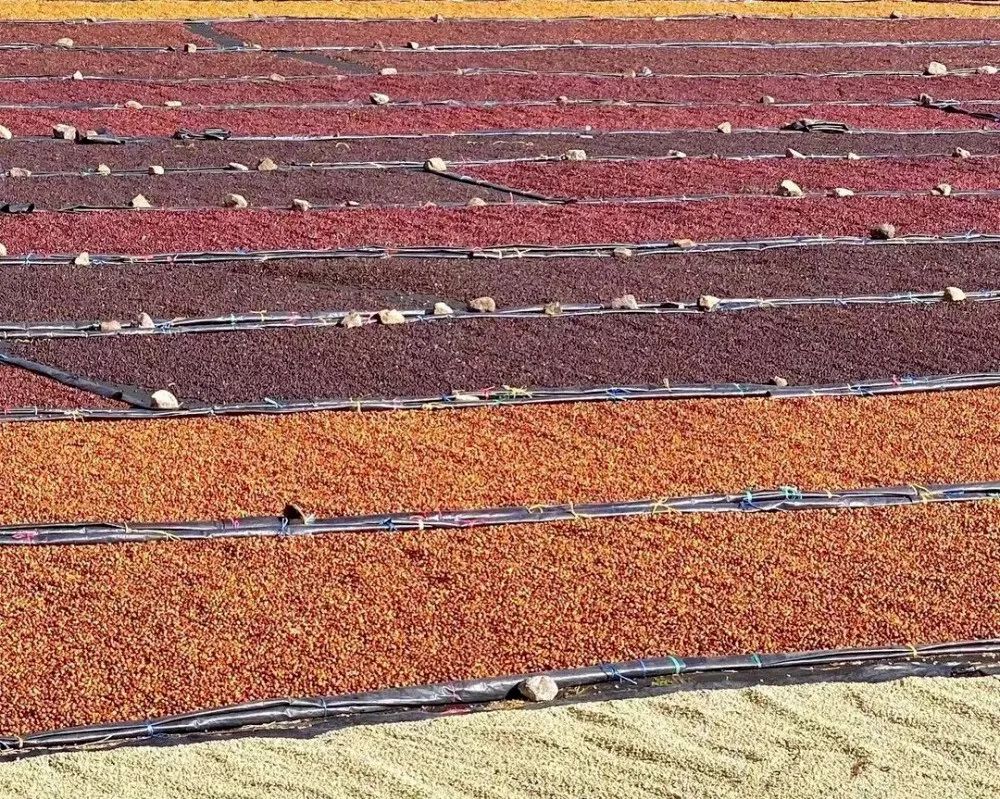
The main factor determining the color is the sugar content in the coffee fruit. The main mucilage contains a large amount of sugar, and when the sugar comes into contact with air it begins to oxidize, gradually turning golden yellow, and depending on the length of fermentation it may turn red or black. In addition, a secondary factor is the state of fermentation, which depends on how often the beans are turned during drying, as well as changes in weather, dryness and humidity, and other factors.
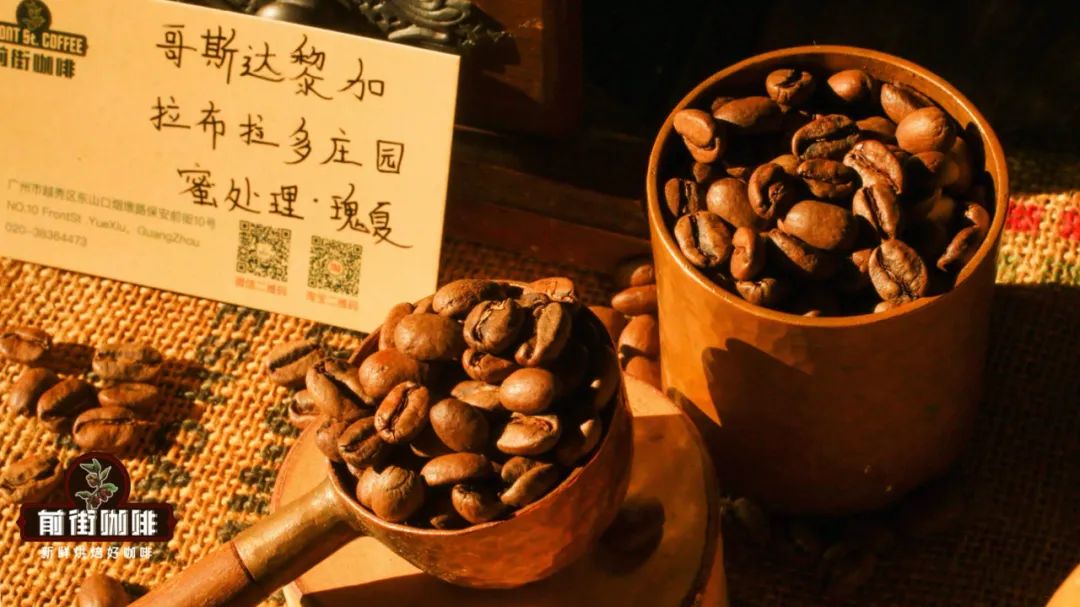
Recently, Qianjie obtained Geisha coffee beans from the San Isidro Labrador estate in the Tarrazu region, which uses honey processing. Geisha itself is a coffee bean with floral notes and fruity acidity, and honey processing is used to increase its sweetness, so Qianjie chooses a medium-light roast when roasting. After brewing, it has a light floral aroma, with orange, peach and cherry flavors on the palate, juice-like sweetness, a smooth mouthfeel, and a tea-like finish.
To learn more about coffee origins, please scan the QR code to follow: Coffeereview
Long-press the QR code to follow:

Related Reading





Comments (0)
Loading comments...
You May Be Interested




Trending Reviews
Popular Videos

With you, wherever you are! We provide useful features to help you find new things you'll love






