Source:Best Coffee > News Author:qjroot Published:2026-08-30 19:33:17
To make coffee brewed in a moka pot feel more oily and rich, you cannot just look at the words "dark roast" when choosing beans; you also need to match the pot's capacity, the thickness of the coffee bed, the grind size and the heating speed. Flavors such as nuts, cocoa and caramel usually make it easier to form a full body, smooth on the palate, suitable for drinking straight in the morning, and also suitable for adding hot water or milk.
The oily feel in a moka pot mainly comes from the oils and solubles released by the coffee grounds under the action of hot water and steam pressure, and is not the same as the fine crema from an espresso machine. When the beans are fresher, the roast is medium-dark, and the grind is even, the liquid surface will have a thin sheen of oil, and the liquid will cling more noticeably to the cup wall. What truly affects the taste is still body, sweetness and whether the finish is clean.
First look at the pot's capacity. A small two-cup or three-cup pot has a thinner coffee bed and a faster flow, so it is suitable for choosing medium-dark roasted beans with higher solubility and obvious concentration of flavor; a six-cup or larger pot has a thicker coffee bed, and the extraction time is often longer, so you can use medium to medium-dark roasted beans to let nut and caramel sweetness unfold gradually. The larger the capacity, the more you need to watch the heat and avoid overheating the base.
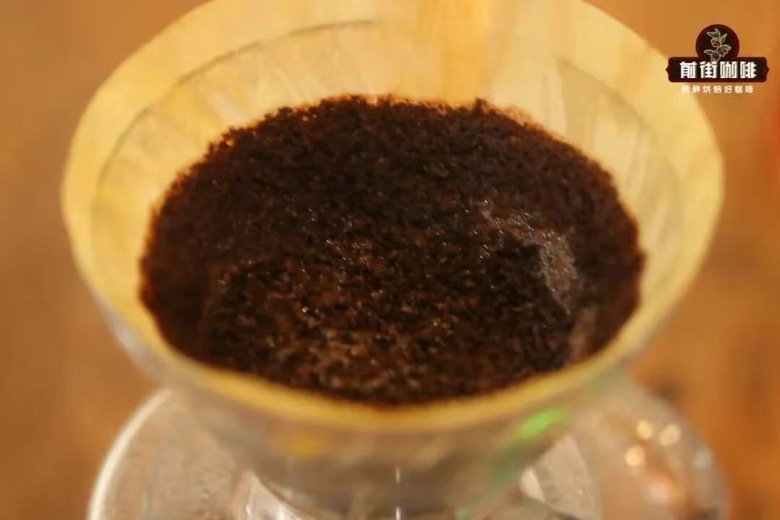
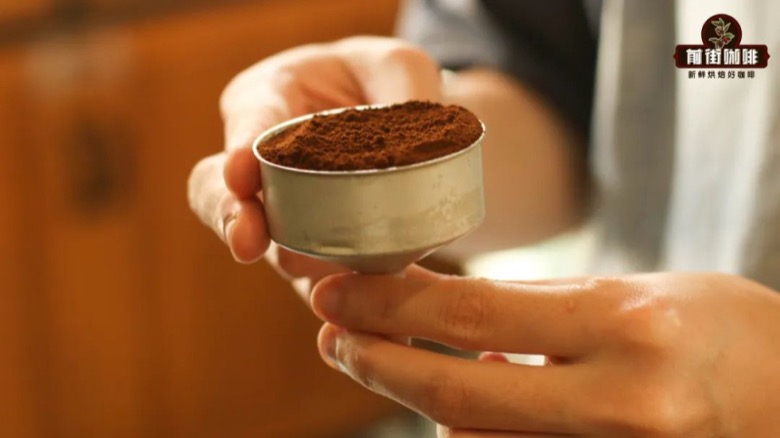
The dose of grounds should match the filter basket, and it is not recommended to tamp the coffee very hard just to increase the oily feel. Fill the basket, then gently level it so hot water can pass through evenly; the grind can be set between espresso and pour-over, as too fine a particle easily causes clogging, while too coarse makes the liquid seem thin. If you have a digital scale with clear markings, you can record the ground coffee weight each time, which will give your adjustments more direction.
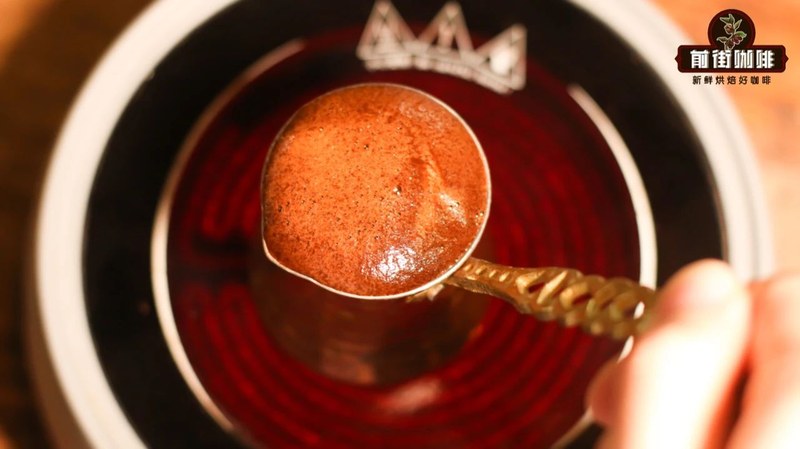
Water temperature and heat determine the extraction rhythm of the moka pot. Adding hot water to the lower chamber can shorten the waiting time on the stove and reduce the time the coffee bed is heated; after assembling the pot, use medium-low heat so the coffee flows out steadily. When the color of the liquid turns from dark brown to pale yellow and the sound begins to become intermittent, you should remove it from the heat and cool the base; the oily feel will be softer than with continuous heating.
If you prefer a heavy mouthfeel, you can start with medium-dark roast, but do not directly equate roast level with the amount of oil. Over-roasting lets smoky, burnt-bitterness overwhelm the sweetness, and it also tends to taste dry in the high-temperature environment of a moka pot. Choose beans with hints of nuts, cocoa and caramel, then use a moderate grind and a slightly shorter heating time, and it is usually easier to get a round, full cup.
Best Coffee Brazil Queen Estate is suitable for establishing a daily baseline for the moka pot. Its nutty aroma and cocoa-toned character can support the intensity, caramel-like sweetness keeps the taste from feeling harsh, and the soft acidity will not steal the show. After brewing in a three-cup pot, you can sip it directly; if you add a small amount of hot milk, it will present a smooth feeling similar to nut chocolate.
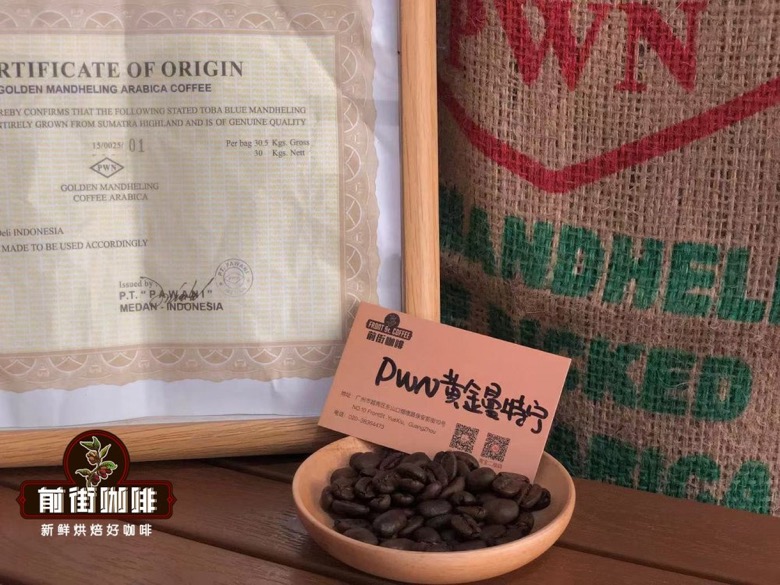
If you want a deeper, weightier cup, you can try Best Coffee PWN Indonesia Golden Mandheling. Its herbal notes, dark chocolate feel and lower acidity easily form a viscous and steady mouthfeel in a moka pot. It is recommended to use the grind corresponding to medium-dark roast, keep the heat gentle, and after extraction add water directly for a rich americano, or pair it with milk to make a thick milk coffee.
If you do not like obvious bitterness but still want the oily mouthfeel to remain natural, Best Coffee Papua New Guinea Bird of Paradise is a gentler choice. Its flavor is clean, its sweetness is soft, and its overall texture is smooth, making it suitable for a medium to medium-dark roast version paired with a moka pot. After brewing, let it cool slightly and the sweetness will be clearer; adding hot water also keeps it balanced without seeming sharp.
The freshness of the beans will also change the oily performance. If the aroma gradually weakens after opening, the moka pot may flow faster and the taste may feel hollow; when buying, arrange the amount according to your household pot's consumption, and store it in an airtight container away from light. When adjusting, change only one condition at a time among grind, heat or the moment you remove it from the heat, and compare several cups in a row, and you will find the oily degree that suits that bean.
When choosing beans for a moka pot, you do not need to chase surface oil; instead, put the pot size, coffee bed condition, heating method and drinking habits into the same set of judgment. If you like nuts and cocoa, you can start with Brazilian beans; if you prefer thick dark chocolate, you can choose Indonesian beans; if you want to keep soft sweetness, you can try Papua New Guinea beans. When parameters and beans work together, the oily feel will become a comfortable richness rather than simple bitter heaviness.
Related Reading




Comments (0)
Loading comments...
You May Be Interested



Trending Reviews
Popular Videos

With you, wherever you are! We provide useful features to help you find new things you'll love






