Source:Best Coffee > News Author:qjroot Published:2026-08-27 16:31:56
Change the equipment and the beans behave differently: pour-over is about aroma and clarity, espresso machines want intensity and sweetness, and a moka pot has to balance pressure, heat and the coffee bed all at once. So you cannot choose beans apart from the equipment, and the brewing parameters should also be adjusted to the roast level.
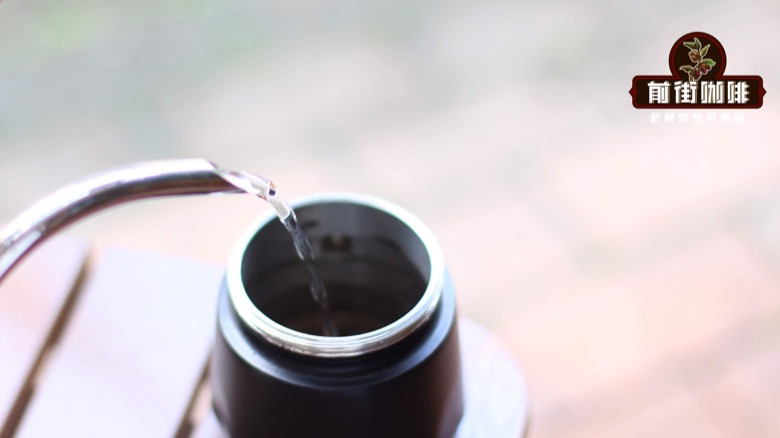
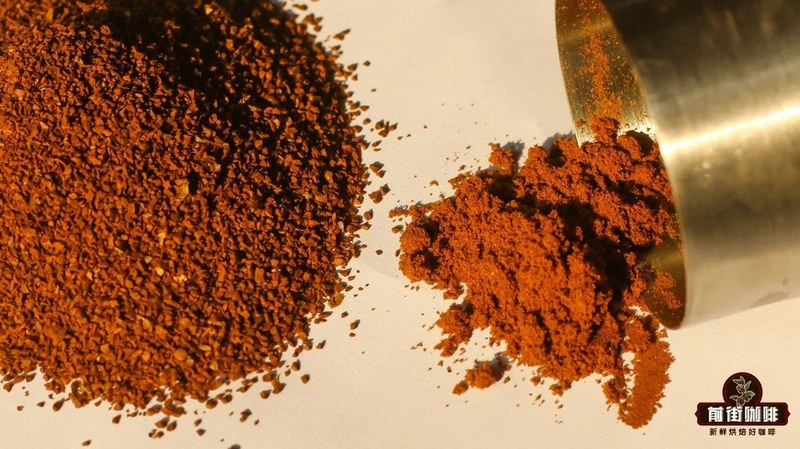
A moka pot extracts using steam pressure; you simply fill the filter basket with grounds, which is a different logic from tamping for an espresso machine. Set the grind slightly coarser than for espresso, keep the water level at the marked line or below the safety valve, and keep the dose steady. Heat over a low flame, and cut the heat as soon as you see a continuous flow and the color lightening; the burnt bitterness will ease off considerably.
On the question of whether to choose a light, medium or dark roast for moka pot coffee beans, you can first break the choice into several parts: flavor preference, the equipment you use most, drinking temperature and daily frequency of use. When matching parameters to equipment, it helps to first decide which one matters most to you, then use the other conditions to narrow things down. That way you keep your own preferences while letting the beans show clear character in actual brewing.
The classic Qianjie blend has a clear nut, cocoa and caramel profile, and its intensity and body give you confidence; it handles espresso, moka pot and everyday milk coffee all within its range.
If you prefer the direction of dark chocolate plus roasted nuts, the thick sweetness and low acidity of the Qianjie Dark Cocoa Blend will suit you well; it works as espresso, americano and milk coffee.
The Qianjie Papua New Guinea Bird of Paradise takes a clean, rounded route with gentle sweetness, and its flavor texture is close to the Blue Mountain line, suited to those who like low acidity and a balanced mouthfeel.
Picking the flavor is only half the job; the roast date and storage method also help decide how the beans perform. Seal them properly after opening, store them in a cool, dry place, and buy according to your daily consumption so the changes in flavor are easier to catch. When brewing, smell the dry aroma first, then note the entry, sweetness and finish in turn; if the aroma is lacking, first check whether the grind is too coarse or the beans have been stored too long. Hot, iced and milk-added versions will taste different; once you note down a few sets of parameters, the right cup style falls into place.
It is more sensible to weigh flavor preference and brewing difficulty separately. Beans with vivid floral and fruity notes often demand more careful control of water temperature, grind and pouring rhythm; blends with a nut-and-cocoa base are stable in the cup and fit everyday drinking well. When several people at home drink together, first keep a balanced-flavor bean as the base, then add single origins according to individual preference; that makes for better comparison than buying many beans of similar style at once.
Run the coffee-to-water ratio once using the pot's capacity, and just level the coffee bed. If it tastes bitter overall, lower the heat, cut the flame earlier, or grind a little coarser; if the flavor is lacking, then check the dose and the gasket, and your troubleshooting has a direction.

The equipment you normally use, your drinking habits or your preferences are not fixed; with three beans, you might split them in two: an everyday one for consistency, and a novel one for experiencing floral and fruity notes, nut-and-cocoa notes, or differences in processing method. Fix the dose and water amount first, change one variable at a time, and the true character of the beans will gradually become clear.
Related Reading




Comments (0)
Loading comments...
You May Be Interested




Trending Reviews
Popular Videos

With you, wherever you are! We provide useful features to help you find new things you'll love






