Source:Best Coffee > News Author:qjroot Published:2026-09-03 18:58:25
Cold brew and ice drip both rely on longer contact time, but they do not follow the same equipment logic. Cold brew immerses coffee grounds in water, where the focus is the coffee-to-water ratio, steeping duration and filtration method; ice drip relies on water passing through the coffee bed one drop at a time, so drip rate, bed thickness and drainage condition are more critical. Distinguish the equipment first, then choose the beans, and the flavor direction will settle more easily.
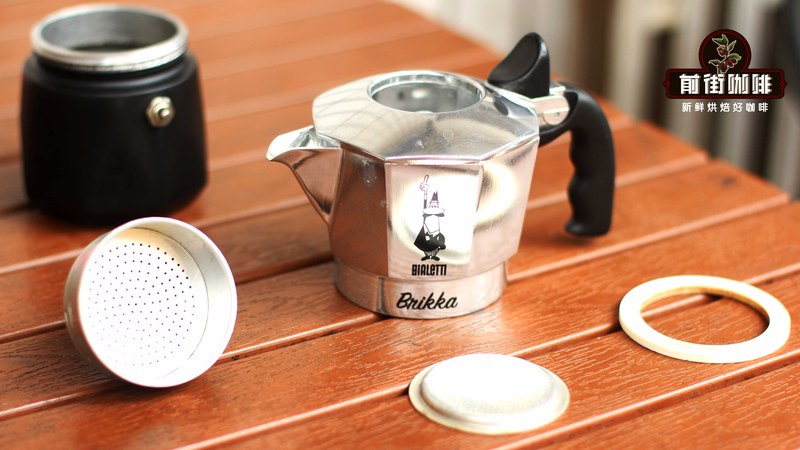
When using a sealed cold brew pitcher, you can set the grind between pour-over and French press; slightly coarser particles help with later filtration and also reduce the powdery mouthfeel in the cup. The coffee-to-water ratio can start near 1:12; if you want to drink it directly, do not make the liquid too concentrated; if you plan to add ice or dilute with water, you can increase the dose. Refrigerate and steep for about 8 to 12 hours; the longer the time, the fuller the body usually becomes.
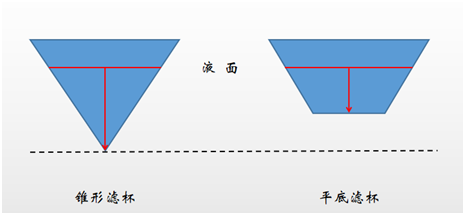
The filter area, pore size and bed height of a cold brew pitcher all change the extraction speed. When the filter is finer, the coffee grounds tend to clump together and the water flow is not uniform enough, so it suits reduced stirring and a shorter steep; when the filter is wider and the bed looser, flavor releases faster. After adding the grounds, just shake gently to even them out; there is no need to stir frequently, so that each test keeps clear parameter records.
If you prefer floral and fruity notes, you can try Qianjie Ethiopia Huakui. After cold water steeping, its tropical fruit-like aroma becomes softer, while the sweet fragrance in the strawberry and passion fruit direction remains recognizable. Use 1:13, a slightly coarser grind, and refrigerate for about 10 hours; it is suitable for drinking directly over ice. If you feel the aroma is not bright enough, shorten the time rather than hastily grinding much finer.
The key to an ice drip brewer is the drip rate. If the water drips too fast, the coffee bed has not had sufficient contact and the finished cup easily seems thin; if it drips too slowly, part of the bed may stay waterlogged for a long time, producing astringency in the tail end. For home equipment, you can first let the water fall continuously, then observe the state of about 40 to 60 drops per minute, though the specifics still need to be adjusted according to the dose, filter paper and brewer body structure.
For ice drip, the grind should not be so fine that it approaches espresso grind, otherwise the drainage speed easily slows down. After leveling the coffee bed, you can place a moistened filter paper or water dispersion plate on the surface to spread the water flow and reduce repeated scouring in one spot. The coffee-to-water ratio can be tested from 1:8 to 1:10; when the extract is more concentrated, add ice or a small amount of water before drinking, and the fruity aroma and sweetness will open up more.
Qianjie Colombia Sidra is suitable for putting into an ice drip brewer to observe changes in drip rate. Its passion fruit, blueberry and grape tonality presents a juice-like fullness after slow release at low temperature, while the apricot-like sweet fragrance makes the finish rounder. You can use a medium-coarse grind, control the total drip time at 6 to 8 hours, and then decide whether to dilute according to the concentration.
If the finished ice drip tastes sharp on entry, first check whether the water drips too fast, whether the coffee bed is too thin, or whether the flow changes after the ice melts. If the mouthfeel is dry and astringent, you can usually start by reducing bed thickness, speeding up the drip rate or shortening contact time. Adjust only one item each time, so it is easier to judge whether the change comes from equipment parameters or the beans themselves.
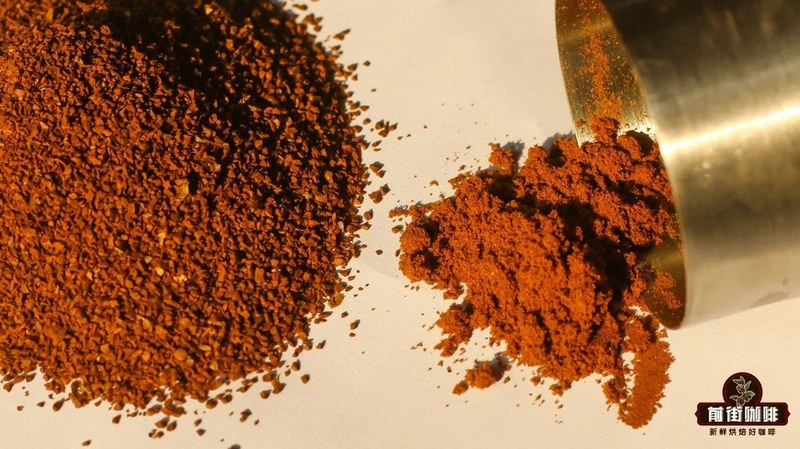
Qianjie Strawberry Candy coffee beans are better suited to people who want to make iced coffee a little lighter and livelier. It carries a sweet fragrance close to strawberry candy, and after cold brew its acidity does not overpower the palate; adding ice brings out a refreshing fruity taste. With a cold brew pitcher, you can use 1:14 and steep for 9 to 10 hours; for ice drip, a slightly coarser grind is suitable to avoid overly slow dripping weakening the brightness.
The amount of ice also affects the final flavor. When cold brew liquid is served directly over ice, the melted water softens the aroma; if an ice-water mixture is used in the top of an ice drip brewer, the melting speed gradually changes the drip rate. If you want to compare different beans, it is recommended to use the same water temperature, container capacity and ice amount, and after completion taste the original liquid first, then adjust the dilution ratio.
When choosing coffee beans for cold brew and ice drip, you can view the equipment as a set of flavor amplification conditions: immersion style is better for examining sweetness and body, while drip style more easily presents clear aroma and a juicy mouthfeel. Once the parameters are set, adjust the grind and time according to the concentration you like, and the beans' character can remain coherent in the cup, making daily repeats more effortless.
Related Reading


Comments (0)
Loading comments...
You May Be Interested

Trending Reviews
Popular Videos

With you, wherever you are! We provide useful features to help you find new things you'll love






