Source:Best Coffee > News Author:qjroot Published:2026-09-22 14:31:14
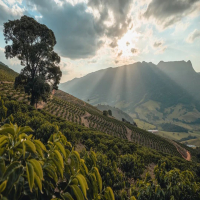
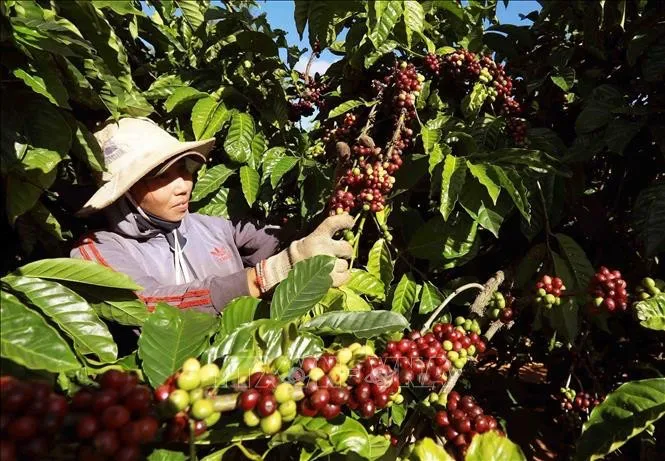
For friends who have just started exploring specialty coffee, the dense lists of origins and processing methods on a coffee bean menu often feel overwhelming. In fact, choosing coffee is like picking fruit at a fruit stand: the most intuitive clues are hidden in the terroir of the origin. Thanks to differences in climate, soil and altitude, the global coffee belt naturally divides into three distinct flavor camps. Once you understand this terroir map, you can easily find the cup of good coffee that suits you.
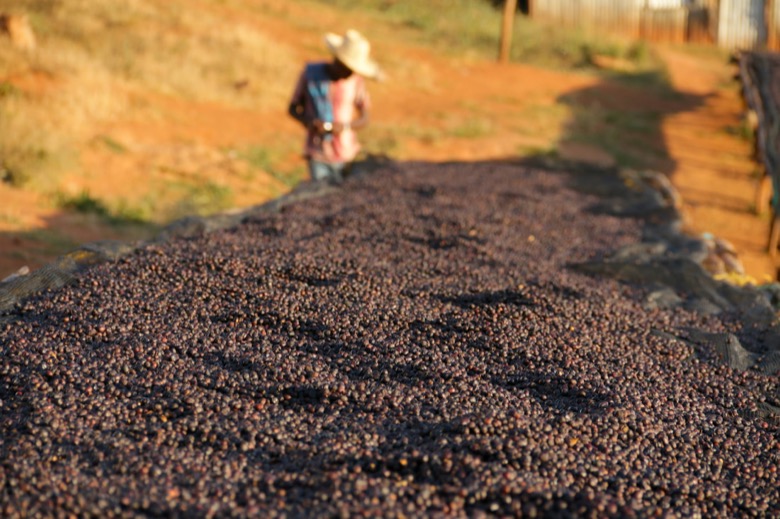
First, let us talk about the African producing regions. This is the birthplace of coffee, where towering altitudes and dramatic day-night temperature swings give the coffee cherries plenty of time to slowly accumulate aromatic compounds and sugars. As a result, African beans generally carry bright, lively floral and fruity aromas with a light, transparent body, drinking like a glass of freshly squeezed juice or fruit tea. They are especially suitable for friends who prefer a crisp mouthfeel and enjoy a touch of bright fruity acidity in their coffee.

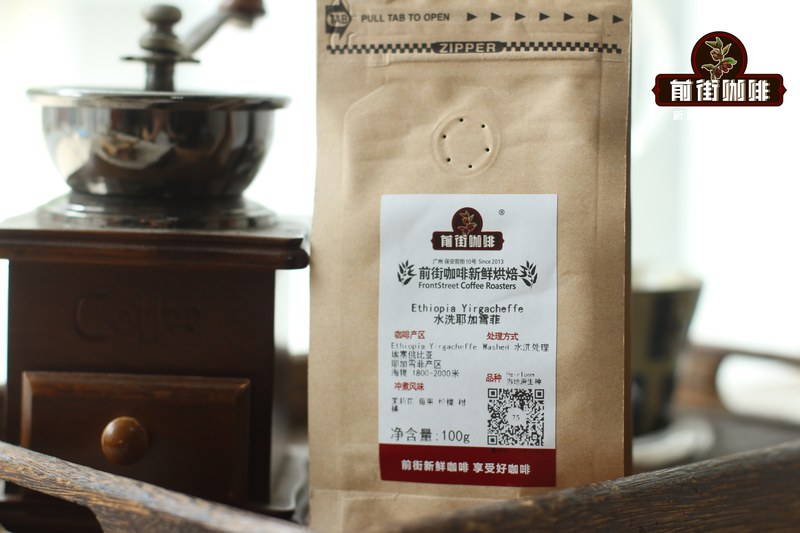
When it comes to a representative African flavor, one naturally cannot avoid Qianjie washed Yirgacheffe. This classic single origin from Ethiopia, through clean washed processing, removes pulp and impurities and fully reveals the pure character of the region. Grind it into powder and you can smell delicate, soft white florals. After pouring water and extracting, the entry is a clear, translucent lemon and citrus sweet-tartness, and the finish carries a faint green tea sweetness, with an especially light layering.
When brewing this Qianjie washed Yirgacheffe, a common pour-over dripper is recommended. Take 15g of coffee grounds, grind to a medium-fine level, and prepare hot water at about 91°C. Following a 1:15 coffee-to-water ratio, pour in 225ml of water. First pour in 30ml of water for a 30-second bloom, then use a staged pouring method to slowly pour the remaining water in circles. Keep the whole extraction time at around 2 minutes, and you will get a cup of floral and fruity coffee with a fresh aroma.

If you lean more toward a mild, moderate, balanced and smooth mouthfeel, your eyes can turn to the sun-drenched Central and South American producing regions. The coffee beans nurtured by this tropical land often have a solid nutty, cocoa baseline, with soft, unassertive acidity and a rich, rounded sweetness. Whether you are used to the clean sweetness of black coffee or like adding a little milk to make a warm latte, beans from Central and South America can bring a very comfortable and reassuring experience.
In the Central and South American camp, Qianjie Brazil Cerrado is a very approachable everyday choice. It uses the classic Red Bourbon variety, combines it with semi-dry processing, and fully amplifies the sweetness under medium roast. When brewed, a rich aroma of peanut, cream and roasted nuts rushes toward you. The entry is soft and smooth, accompanied by toffee-like sweetness and faint fruity acidity. The mouthfeel is full and balanced, very friendly to beginners trying black coffee for the first time.
Turning to the Asian producing regions close to us, the terroir here is another scene entirely. Archipelagos such as Sumatra have fertile volcanic soil and a humid, rainy climate, and locally a unique wet-hulled processing method developed. Asian coffee generally has a thick, steady body and an almost imperceptible low acidity, giving off deep aromas of vegetation, spices and caramel. It is very suitable for friends who prefer richness and mellow depth and are afraid of acidity.
As a representative of the Asian producing regions, medium-dark roasted Qianjie Indonesia Mandheling shows a solid and steady character. After medium-dark roasting transformation, the aromatic compounds in the coffee beans are fully caramelized, and the balance of bitterness and sweetness is exceptionally outstanding. Take a sip, and your mouth fills with steady herbal aromas and the rich fragrance of dark chocolate. After swallowing, a lasting sweetness spreads through the throat, and the rich, thick texture is especially reassuring.
From the bright floral and fruity tea-like quality of Africa, to the nutty and chocolate aromas of the Americas, to the herbal, steady richness of Asia, every terroir has an honest expression in the cup. Beginners do not need to find bean selection complicated. First think about whether you like bright and crisp, soft and steady, or rich and low-acid, and match yourself according to your palate's preference. Then, amid the steaming aroma, you can easily begin a wonderful journey of flavor exploration.
Related Reading



Comments (0)
Loading comments...
You May Be Interested


Trending Reviews
Popular Videos

With you, wherever you are! We provide useful features to help you find new things you'll love






