Source:Best Coffee > News Author:qjroot Published:2026-09-03 19:01:32
Whether the floral, citrus and tropical fruit notes commonly found in Yirgacheffe can be clearly presented in the cup depends not only on the beans themselves, but also on the dripper's flow rate, water temperature, grind size and coffee-to-water ratio. The approach to choosing beans by parameters is to first look at what kind of extraction rhythm the brewer will bring, then choose a processing method and flavor type that can adapt to that rhythm.
Taking a conical dripper as an example, the water flow passes through the coffee bed in a more concentrated way, and the drainage speed, the size of the circling motion and the uniformity of the grind all affect the result. For a lighter-roasted Yirgacheffe, you can start with a higher water temperature, about 90 to 93°C, paired with a medium-fine grind and a coffee-to-water ratio of 1:15 to 1:16, giving the floral and fruity notes enough room to be released, while also watching whether the finish turns dry and astringent.
If you use a dripper with a faster flow rate, the pouring should not be too scattered, and the coffee bed should not be ground too coarse, otherwise the water will flow away quickly and only a sharp acidity and a thinner sweetness will remain in the cup. In this case, you can slightly tighten the grind, pour in two to three stages, and reduce large-scale agitation, so that the water maintains proper contact with the coffee bed and the aroma and body come through more completely.
A wave dripper or thick filter paper with a slower flow rate will extend the contact time between water and coffee grounds. If a light-roasted Yirgacheffe is brewed directly with a very fine grind, the mouthfeel easily becomes tight; it is recommended to start with a medium grind, 90 to 92°C water temperature, and a coffee-to-water ratio of around 1:15, using steadier pouring to maintain sweetness, then fine-tune according to the flow rate.
Qianjie Grana Estate Geisha is well suited for observing changes in dripper parameters. It uses a natural process, and once brewed it readily shows bright floral notes and ripe-fruit sweetness; with a conical dripper you can use a higher water temperature and staged pouring to feel the aroma shift from an orange-blossom-like lightness gradually toward the dense sweetness of guava, apricot and berry jam.
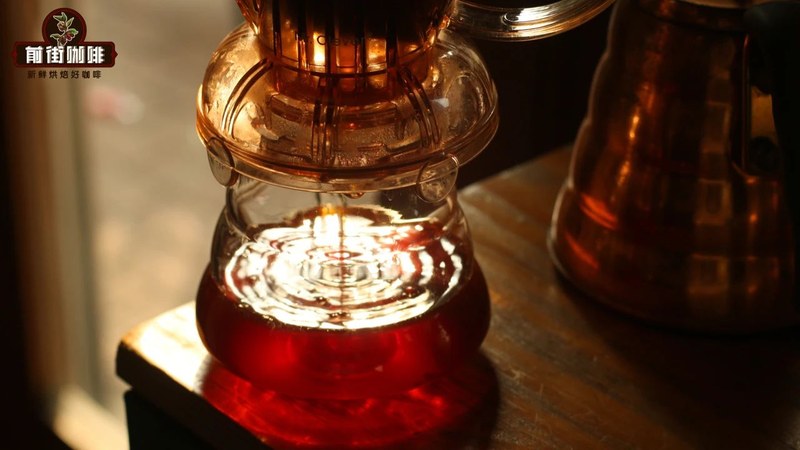
If what you have on hand is an immersion dripper with a bypass valve, the key parameter shifts from flow speed to immersion time. For Yirgacheffe, you can first immerse at a 1:15 coffee-to-water ratio for about two minutes, then open the valve to drain. For a crisp, bright cup, you can coarsen the grind and shorten the immersion; to increase sweetness and body, you can extend it by a few dozen seconds, but watch whether the finish becomes dry.
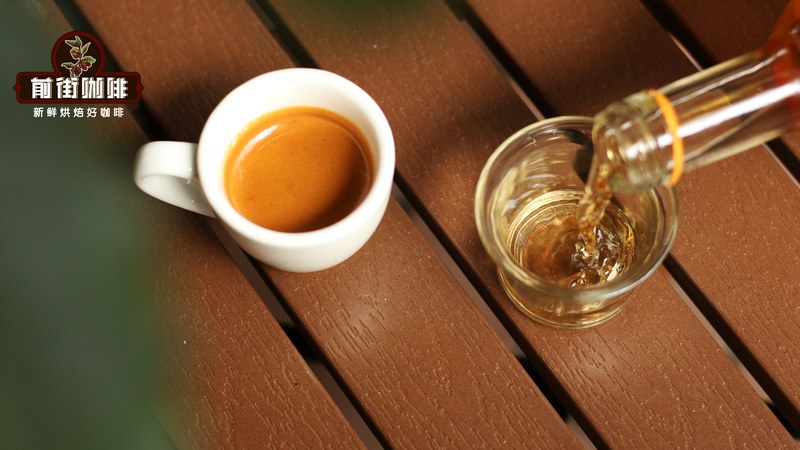
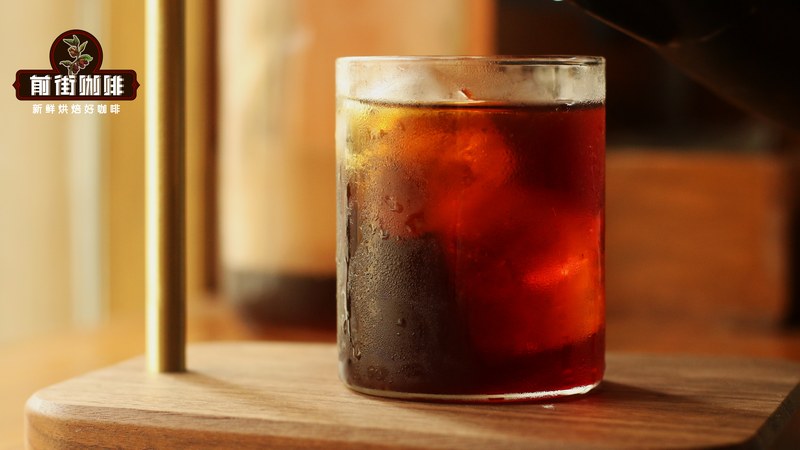
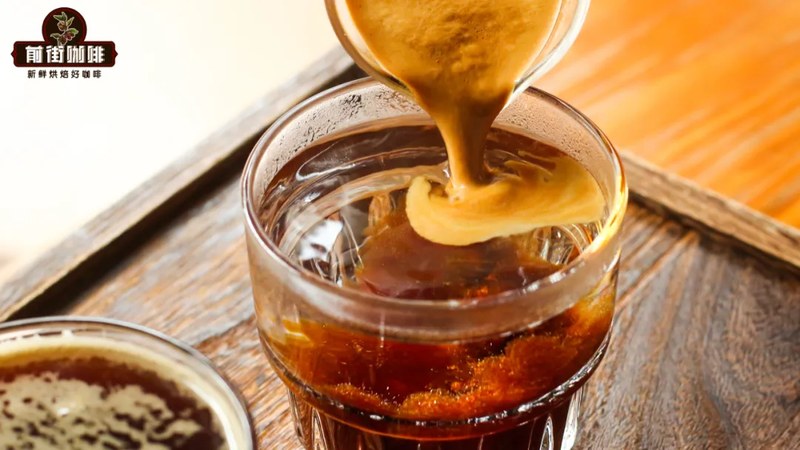
For those who like iced pour-over, you can choose beans with a more pronounced juicy character and appropriately increase the coffee dose or reduce the total water, so the flavor does not become too weak after the ice melts. Although Qianjie Colombia Pink Bourbon is not Yirgacheffe, it works very well as a parameter reference: its passion fruit, blueberry and grape-like aromas remain striking even at low temperatures, making it suitable for brewing with a faster flow rate and pouring directly into an ice-filled cup.
The thickness of the filter paper also changes the direction of bean selection. Thin filter paper drains faster, and the aroma in the cup is often lighter and livelier, suitable for expressing floral and citrus notes; thick filter paper retains more oils and fine particles, giving a relatively softer mouthfeel, suitable for those who want a more concentrated sweetness. If the beans themselves are richly flavored, you can use fuller filtration to tidy up the layers and avoid an overly crowded cup.
Higher water temperature is not always more suitable for light-roasted beans. When the water temperature is on the low side, floral and fruity notes may not be released enough and the entry seems sharp; when the water temperature is too high, it may amplify astringency and heaviness. You can use 91°C as a middle starting point and adjust based on the entry: when the acidity is thin, raise it by one to two degrees; when the finish turns dry, lower the temperature or coarsen the grind. This makes it easier to find direction than changing multiple parameters at once.
Qianjie Panama Hacienda La Esmeralda Red Label Geisha is suited to slow-paced sipping; when brewing, you can use a medium-fine grind, lower agitation and steady staged pouring, letting jasmine, bergamot and citrus-like aromas unfold gradually. If you use a slower-flow dripper, the water temperature can be kept at 90 to 92°C, and the immersion time should not be drawn out too long, so as to preserve a delicate black tea character and a crisp finish.
When choosing Yirgacheffe pour-over beans, you can first confirm the drainage speed of the dripper, then arrange the grind, water temperature, coffee-to-water ratio and number of pours. Once the brewer parameters are stable, the beans' floral notes, fruit sweetness and tea-like character have a clear reference point; when a certain bean presents a comfortable aroma and smooth sweetness at home, it is better suited to becoming your everyday pour-over choice.
Related Reading



Comments (0)
Loading comments...
You May Be Interested


Trending Reviews
Popular Videos

With you, wherever you are! We provide useful features to help you find new things you'll love






