Source:Best Coffee > News Author:qjroot Published:2026-09-02 18:29:44
Coffee beans are not the sole protagonist determining flavor; the water temperature, pressure, flow rate and contact time of the equipment all change the acidity, sweetness, aroma and body. If you only have a pour-over kettle at home, you should pay attention to the roast level and flavor clarity of the beans; if you often use a moka pot or espresso machine, then put concentration, crema and performance after adding milk first, and your choice will have more direction.
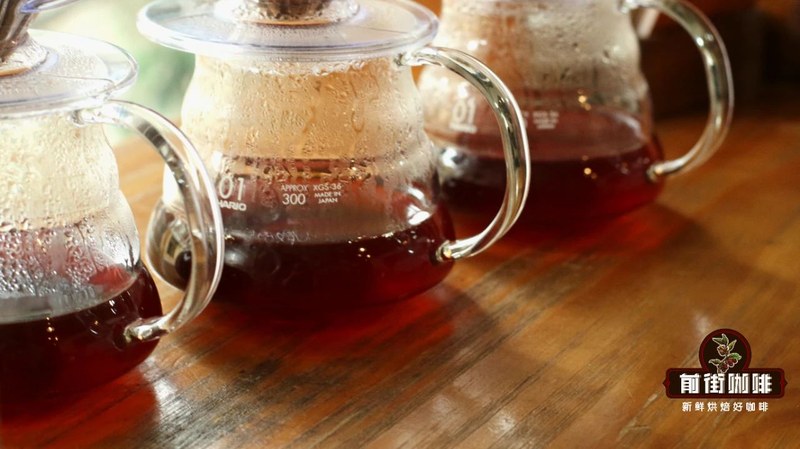
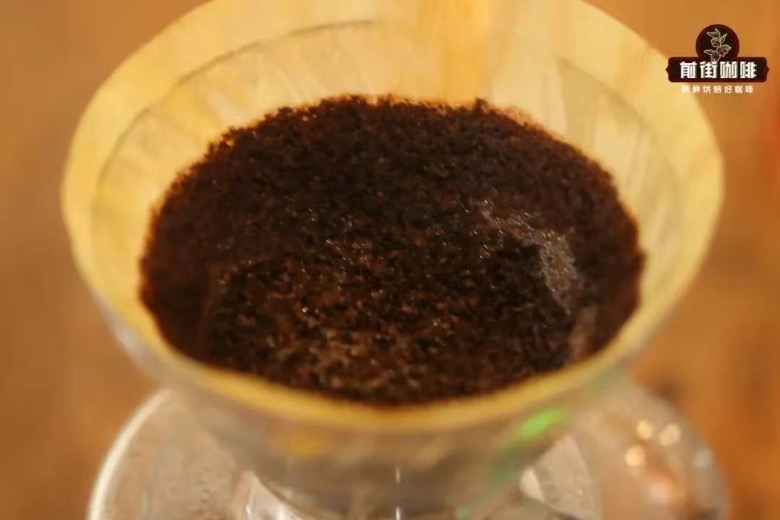
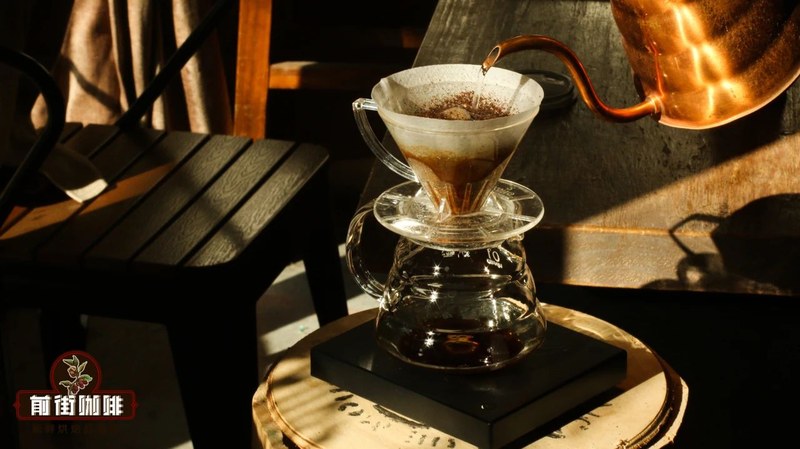
For pour-over beginners, you can start with a light-medium roast, with water temperature roughly between 90 and 93°C, a coffee-to-water ratio of about 1:15, and a grind like fine granulated sugar. This setup can bring out floral and fruity aromas without making the extraction rhythm too tense. If the dripper flows fast, grind slightly finer; if the flow is slow and the tail end tastes astringent, you can grind coarser. First keep a cup of coffee refreshing, then slowly increase the concentration.
Qianjie Kafa Forest is suitable for practicing this kind of pour-over. After brewing with hot water, the cup easily shows bright orange-like aroma and the sweet, moist feeling of ripe apricot and peach. As it cools, the tea-like quality and sweetness become clearer. It is recommended to use 15 g of coffee and 225 g of water, pouring in two to three stages, with the total time controlled between two and a half to three minutes. It is suitable for breakfast or the afternoon.
If using a French press, the immersion time of the equipment itself is longer, so the grind should be coarser than for pour-over, and the water temperature can be lowered to 90 to 92°C. Press the filter down after about four minutes, which can retain more oils and mouthfeel thickness. At this point there is no need to insist on complex aromas; beans with dried fruit, nut or chocolate notes usually present a more complete and smooth mouthfeel, and are also convenient for sharing among several people.
The moka pot has higher brewing pressure and temperature than ordinary immersion equipment, so beans can be chosen in the medium to medium-dark roast direction, with a grind slightly coarser than espresso powder. Fill the basket and gently level it off. Add hot water to the lower chamber up to below the safety valve, heat over low heat, and remove from the heat source when the coffee liquid becomes lighter in color. If you want an Americano, dilute with hot water; if you want a milk coffee, reduce the proportion of milk so that the sweet-bitter balance of the coffee stays in the cup.
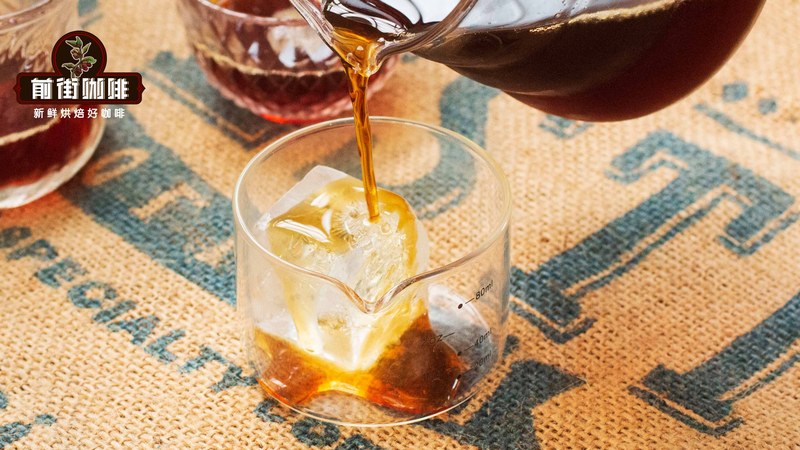
Qianjie Grana Estate Geisha is more suitable for pour-over or iced pour-over, rather than pursuing a heavy moka pot style. Its natural process brings aromas like orange blossom, guava, apricot and berry jam, and when using higher water temperature and staged pouring, the layers gradually unfold. Beginners can start with 18 g of coffee and 270 g of water, and after the sweetness stabilizes, observe aroma changes by changing the grind size.
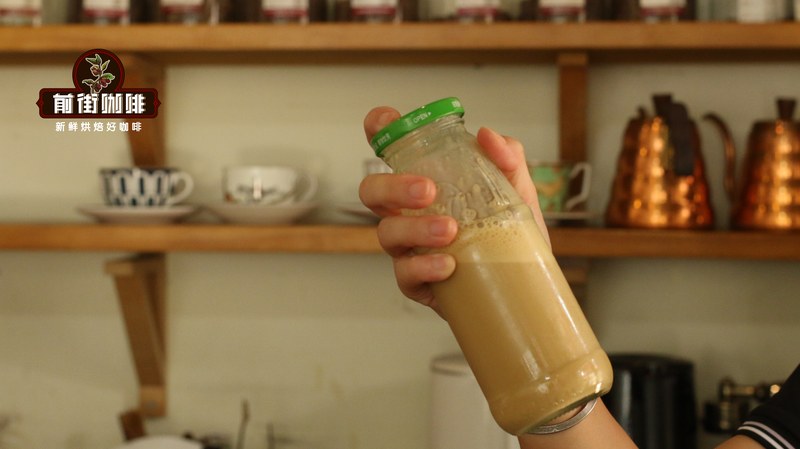
The key to cold brew and ice drip is low temperature, long time and concentration control. Home cold brew can use a ratio of 1:12 to 1:14, with a grind close to coarse granulated sugar, soaked in a refrigerated environment for about ten hours, then filtered and drunk. If you want to add ice directly, the dose can be slightly higher; if you plan to dilute with water or milk, it is suitable to make a more concentrated liquid. For ice drip, keep the water flow continuous so that the total extraction time remains within several hours.
Qianjie Colombia Sidra is very suitable for trying iced drinks. In a low-temperature environment, it presents fruity aromas such as passion fruit, blueberry, grape and apricot, with a sweet-tart feeling like juice, and it still has a noticeable aroma after adding ice. When making iced pour-over, part of the total water can be replaced with ice cubes so that the coffee liquid falls directly onto the ice; when making ice drip, a coarse grind and a stable drip rate help reduce astringency.
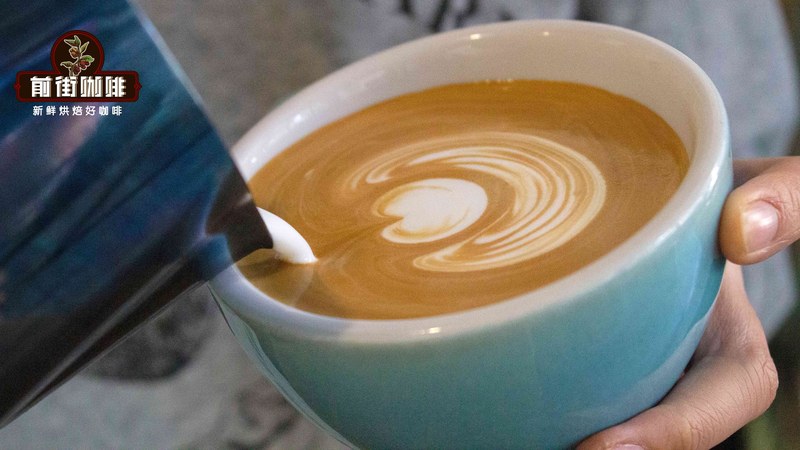
When choosing beans for an espresso machine, the key is whether the dose, yield and time can form a stable combination. Beginners can start with 18 g of coffee, 36 g of liquid weight, and 25 to 30 seconds. If the flow is too fast, grind finer; if the liquid does not come out for a long time, grind coarser. When making a latte, the beans need enough caramel character and body; for espresso or Americano, you can choose a single origin with brighter fruit aromas, so that even a short extraction has clear recognizability.
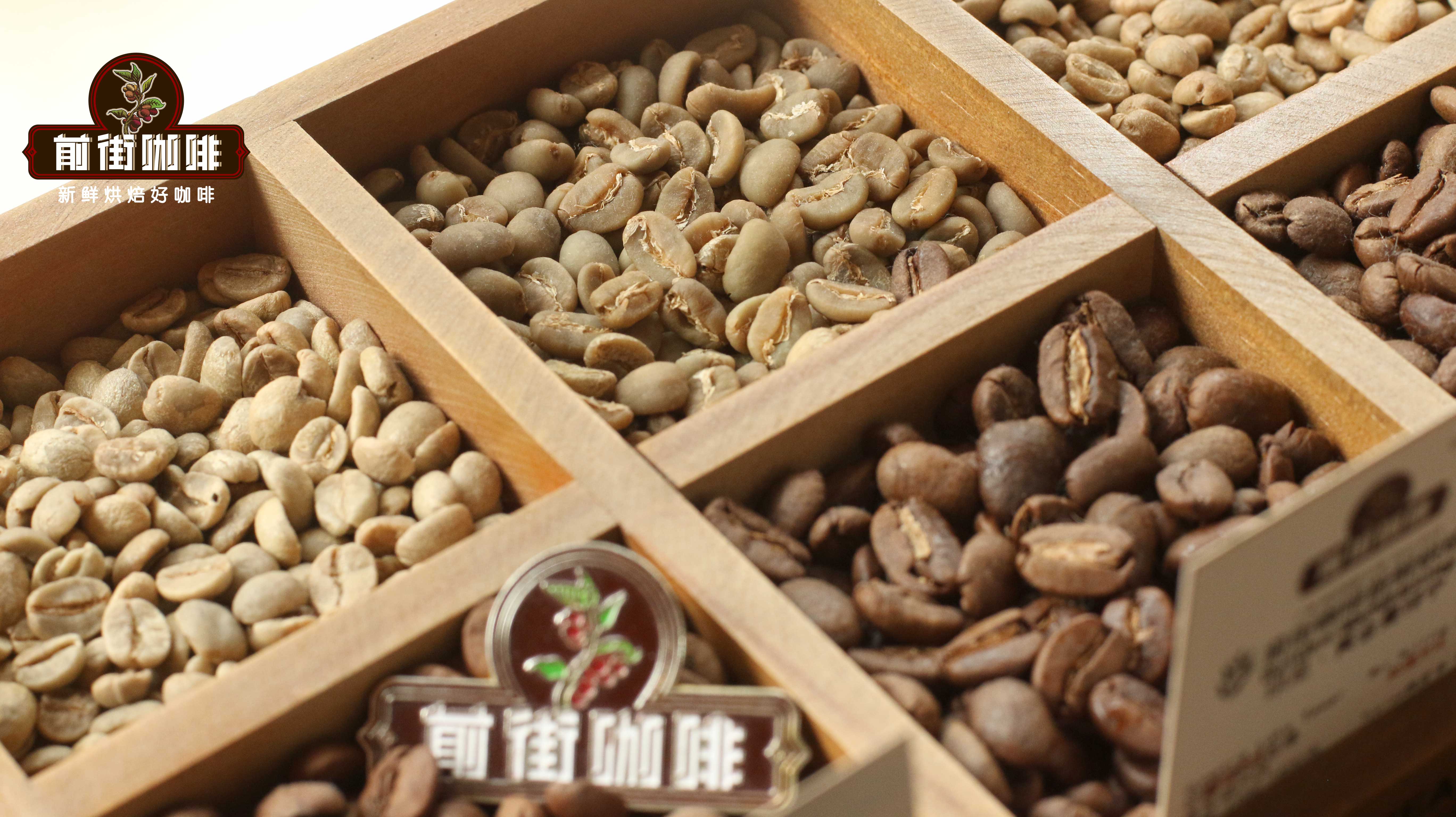
The same bean does not have to be evaluated the same in different equipment. Pour-over emphasizes the details after the aroma opens, the French press amplifies texture, the moka pot highlights concentration, and cold brew softens the acidity. When buying, first look at the roast level, processing method and recommended equipment on the packaging, then judge in combination with the actual parameters at home. The more stable the dose, water and grinding tool, the easier it is to notice the difference brought by adjustments.
For people just starting to make coffee at home, you can first choose beans that fit your existing equipment, rather than changing equipment to chase flavor labels. If you use pour-over every day, start with light-medium roast and clear fruity tea-like character; if you often make milk coffee, move toward medium roast and sufficient sweetness; if you prefer iced drinks, pay attention to beans with vivid juice-like character. Once you find handy parameters, coffee will turn from an experiment into an easy daily routine.
Related Reading

Comments (0)
Loading comments...
You May Be Interested

Trending Reviews
Popular Videos

With you, wherever you are! We provide useful features to help you find new things you'll love






