Source:Best Coffee > News Author:qjroot Published:2026-09-19 12:42:28
The flavor experience produced by a home coffee machine every day depends on the type of coffee grounds loaded into the portafilter. When choosing beans, there are usually two clear flavor paths: one is blended beans that emphasize complementary multi-origin characteristics and pursue balance and smoothness; the other is single-origin beans that highlight the terroir of a single region and emphasize distinctive traits. Understanding the flavor logic of both helps us quickly find a matching taste in our daily brews.
The original purpose of blended beans is to build a coordinated and stable framework in the cup. Roasters select green beans from different origins and processing methods and blend them in proportions to balance acidity and body, making up for the shortcomings of single-origin beans in certain flavors. For example, a common formula pairs Brazil with Colombia: Brazil provides a nutty and cocoa base with a thick crema, while Colombia adds caramel sweetness and a delicate, soft feel, making the sip especially smooth.
Qianjie Boutique Blend is a representative bean of this complementary approach, using a formula of Brazil Cerrado paired with Colombia Huila. The combination brings an aroma interwoven with roasted almond, toffee and dark cocoa, without sharp or harsh fruit acidity. The overall flavor is rounded and smooth, and whether it is made directly into a refreshing black coffee or combined with fresh milk, it shows a coordinated and natural inclusiveness.
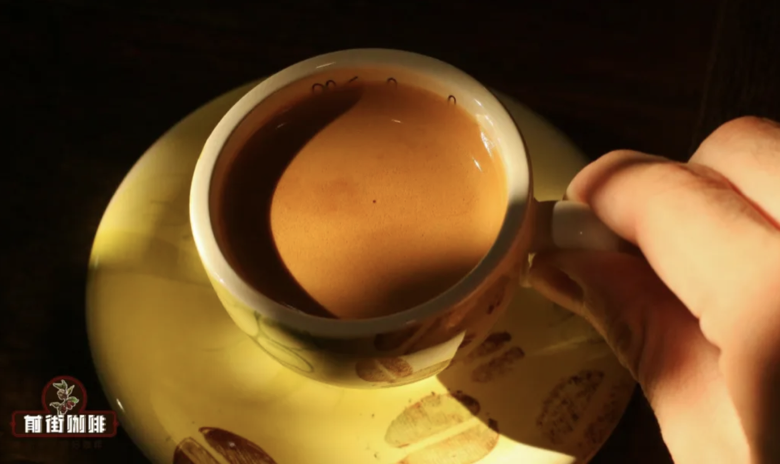
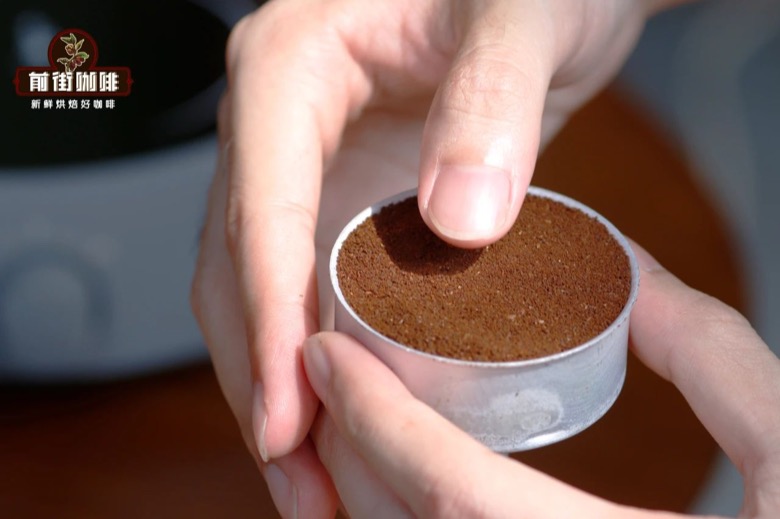
When brewing Qianjie Boutique Blend on a home espresso machine, you can load 18g of coffee grounds into a double basket, distribute evenly and tamp. Turn on the machine for 9 bar constant-pressure extraction, maintain the extraction time at 26 seconds, and yield 36g of espresso. The resulting liquid crema shows an even golden-reddish brown, and drinking it directly brings a rich nutty sweetness; add hot water to make a large warm americano, and the finish carries a sweet, mellow cocoa note.

If you usually prefer a thick and substantial milk coffee experience, traditional dark-roast blends often bring plenty of satisfaction. These beans undergo sufficient Maillard and caramelization reactions during roasting, with the flavor focus leaning toward dark black chocolate, roasted spices and rich bittersweetness. Even when mixed with a large proportion of iced milk or oat milk, the coffee's original rich aroma remains clear and is not easily masked by milk fat.
Qianjie Classic Blend is very suitable for making all kinds of fancy milk coffees, with a flavor profile centered on nutty roast aroma, dark chocolate bitterness and caramel sweetness. Because it has sufficient body, this bean performs quite forgivingly on home machines. The extracted espresso is full-bodied, and after combining with steamed hot milk it stimulates a smooth, rich texture like melted liquid chocolate.
When extracting Qianjie Classic Blend with an espresso machine, it is recommended to set the dose at 18.5g, tamp, and lock the portafilter tightly. Start the machine for a brief low-pressure pre-infusion first, then steadily increase pressure into constant-pressure extraction, control the extraction time at 27 seconds, and yield 37g of espresso. Pour the espresso into fine, slightly warm hot milk to make a latte; the sweetness is full, and every sip delivers nutty dark chocolate notes.
Unlike blends that pursue flavor integration, single-origin beans enter the espresso portafilter as SOE, focusing on a clear expression of the microclimate, variety and processing craft of a specific origin. Drinking single-origin espresso is like reading a terroir business card: it may carry bright, lively fruit acidity, or it may carry distinctive woody and spicy notes. The flavor boundaries are clear, making it suitable for drinkers who like to explore a single flavor.
Drinkers who prefer deep herbal aromas and a strong, heavy feel can try the single-origin dark-roast bean Qianjie PWN Indonesia Golden Mandheling. This bean has been processed with the unique wet-hulling method and gives off a special charm of cedar, herbs and pure dark chocolate. Acidity is almost imperceptible, and it has a solid, full-bodied oily mouthfeel and sweet aftertaste, fully displaying the characteristics of the origin.
To carefully experience the rich layers of this single-origin bean, you can also use pour-over equipment to present it. Prepare 88°C hot water, weigh 15g of medium-coarse ground coffee, and pour a total of 225ml of water at a 1:15 coffee-to-water ratio. First steadily pour 30ml of water for a 30-second bloom, then pour in two stages: first pour to 130ml and pause to wait for the water level to drop, then slowly pour to 225ml and stop. Control the total time at 2 minutes 05 seconds; the finished cup overflows with the sweet moisture of pine and cocoa.
In the daily brewing of a home coffee corner, blended beans and single-origin beans each have their own merits. Blended beans are a worry-free and reliable daily companion, responsible for quickly producing a balanced, sweet and mellow pick-me-up when you are busy; single-origin beans are like a flavor exploration full of surprises, suitable for savoring the personality of an origin carefully in leisure time. Figure out your own taste preferences and drinking methods, and understand the structure behind the formula, and you can easily choose satisfying coffee beans.
Related Reading

Comments (0)
Loading comments...
You May Be Interested




Trending Reviews
Popular Videos

With you, wherever you are! We provide useful features to help you find new things you'll love






