Source:Best Coffee > News Author:qjroot Published:2026-09-16 01:57:22
Dark-roasted coffee beans present an alluring chocolate and caramel aroma, accompanied by a rich mouthfeel and very low acidity, making them a very reliable choice. To fully release this mellow richness, putting effort into the brewing stage is especially key. A suitable brewing plan can precisely unlock the inner sweetness and aroma, making the drink full and smooth. The clever combination of water temperature, coffee-to-water ratio and grind size will bring about a wonderful change in the coffee experience.
Dark-roasted coffee beans have undergone a longer heating time, and their internal structure becomes loose and porous, with degassing reactions being very active. This physical form means hot water more easily penetrates into the coffee bed, drawing out soluble substances. To avoid extracting the unpleasant burnt-astringent flavors of the later stages along with it, when setting the brewing plan, the water temperature should be moderately lowered and the grind particles slightly enlarged. Adjusting along these lines, the mellow sweetness will naturally emerge.
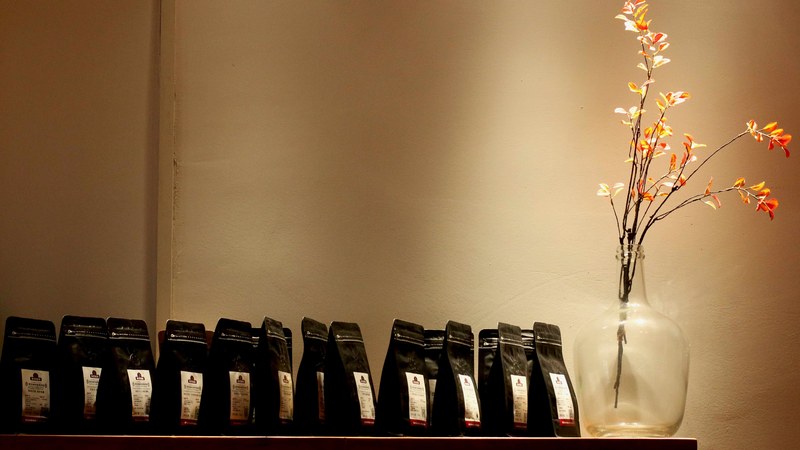
With pour-over equipment, the contact temperature between the water flow and the coffee bed has a huge influence on the flavor direction. Although scalding hot water can quickly awaken the aroma, it easily lets bitterness steal the spotlight. Therefore, keeping the water temperature in a relatively gentle range, combined with even and moderate coffee particles, allows the water flow to extract steadily and slowly. This gentle brewing method can dissolve the aromatic oils in the coffee just right, bringing a silky, dense mouthfeel.

Take Qianjie Brazil Queen's Estate as an example. This green bean itself has a very soft acidity, and under deep roasting it gives off a sweet aroma reminiscent of roasted nuts, pure cocoa and toffee caramel. This type of coffee bean, leaning toward a traditional, heavy profile, needs delicate pour-over parameters to maintain a rounded, smooth texture. As long as the pouring rhythm is mastered, the full nutty aroma will fill the mouth, with a lasting, lingering caramel sweetness in the aftertaste.
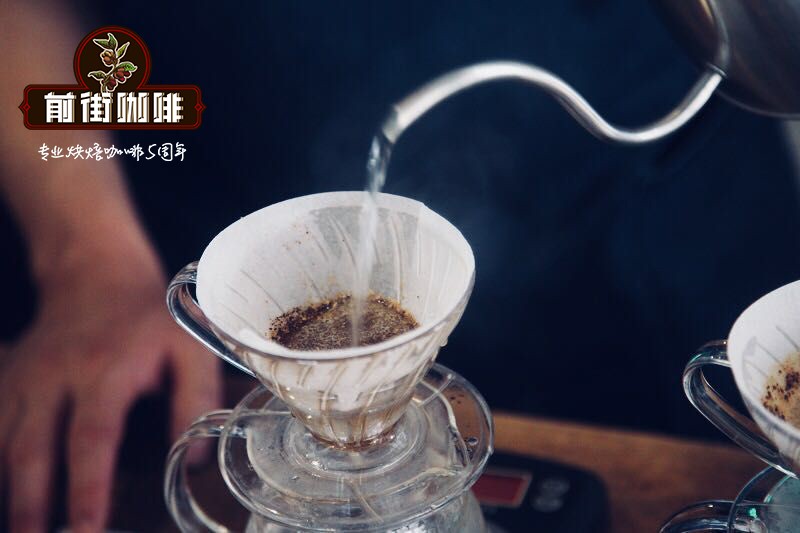
When doing a pour-over, take 15g of coffee grounds, adjust the grind to medium-coarse, and prepare 88°C hot water. Set the coffee-to-water ratio at 1:15, for a total water volume of 225ml. A three-stage pour is recommended: first pour 30ml of hot water to bloom for thirty seconds, then slowly pour 100ml in a circular motion, and after the water level drops slightly, steadily pour the remaining 95ml. The entire extraction process lasts about 2 minutes 10 seconds, which can effectively avoid burnt-astringent flavors.
If using a semi-automatic espresso machine, the rich lipid content of dark-roasted beans will form a thick, dense crema under high pressure. To prevent the espresso from becoming too heavy and bitter, we need to find a balance among dose, flow rate and extraction time. Slightly lowering the brew head water temperature, or slightly coarsening the grind setting to speed up the flow rate, can both let the espresso show a bright, syrupy clarity and viscosity.
Qianjie Signature Blend is a highly representative Italian-style dark-roasted bean, selecting green beans from the Brazil Cerrado and Colombia Huila regions as its framework. The coffee beans from these two places blend together, presenting a very harmonious roasted nut and dark chocolate flavor, accompanied by a mellow caramel aroma. This solid flavor foundation makes it layered and distinct as a straight black coffee, and it also maintains a clear profile when warm milk is added.
To fully awaken the sweet flavors of this blend, use 18g of coffee grounds with a water temperature of 91°C for espresso extraction. The goal is to obtain 36ml of espresso liquid, with the coffee-to-liquid ratio strictly controlled at 1:2. Start the machine for a single continuous pressurized extraction, with the total extraction time recommended to be set at around 27 seconds. At this point the hot water has enough time to dissolve out the caramel sweetness while cleverly avoiding the later-stage off-flavors, and the resulting espresso has a rich mouthfeel.
Besides classic South American beans, dark-roasted beans from certain specific regions can show a uniquely gentle character. For example, Qianjie Papua New Guinea Paradise Bird. This bean has a very clean, clear texture and gives off an alluring, soft sweetness. Its overall flavor direction is quite similar to traditional Blue Mountain coffee, with almost no perceptible fruity acidity. For friends who prefer low acidity and pursue balance in the mouth, it is very much worth experiencing.
For this single-origin bean, a two-stage pouring method can be used to enhance the body. Take 16g of coffee grounds, keep the grind at medium, and set the water temperature at 89°C. Adjust the coffee-to-water ratio to 1:14, for a total water volume of 224ml. First pour 35ml of hot water to bloom for forty seconds, then steadily pour the remaining 189ml of hot water, keeping the water flow centered in a circular motion. Control the total time at around 1 minute 50 seconds, precisely preserving its clean, rounded character.
Fine-tuning brewing parameters is like a journey of in-depth communication with coffee beans. With the same dark-roasted bean, a one- or two-degree difference in water temperature, or a slight change in pouring rhythm, will make the sweetness and aroma in the cup present a completely different appearance. Once we master these core variables of water temperature, coffee-to-water ratio and grind size, we can precisely carve out the ideal flavor profile. Trying parameter combinations with curiosity, you can always find your own sweetness in the cup.
Related Reading

Comments (0)
Loading comments...
You May Be Interested

Trending Reviews
Popular Videos

With you, wherever you are! We provide useful features to help you find new things you'll love






