Source:Best Coffee > News Author:qjroot Published:2026-10-09 18:36:45
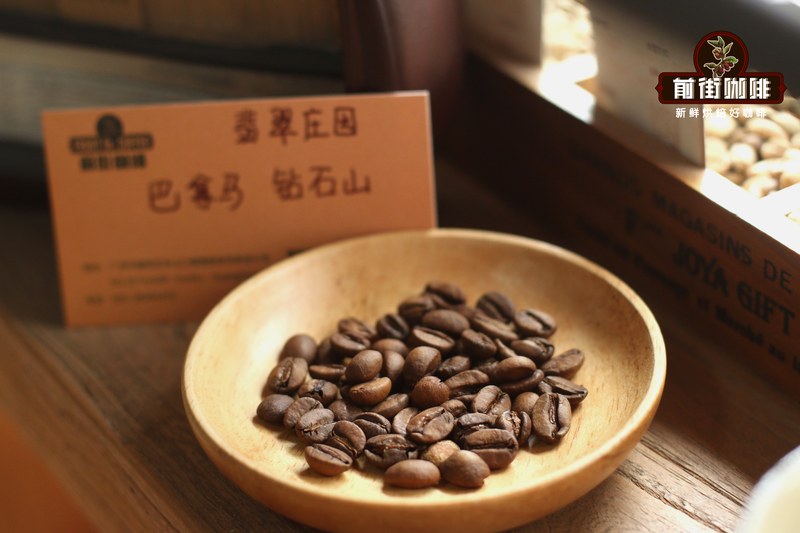
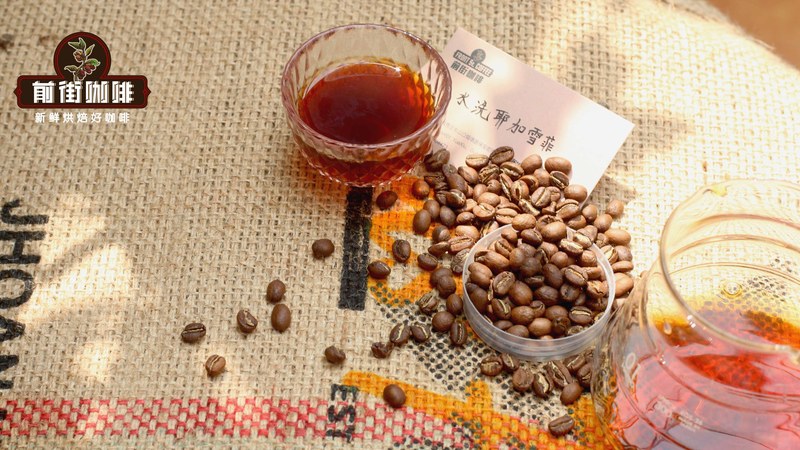
If you want a clear bergamot aroma rising from your cup, bean selection is the first step. I usually start by looking at the processing method. Washed beans carry their fruit acidity and floral notes cleanly, with fewer off-flavors, making that bergamot aroma - reminiscent of citrus peel with a hint of coolness - easier to pick out. For roast level, I lock in on a light-to-medium roast. In this range the aromatic compounds inside the beans are better preserved; they won't be green and harsh from being too light, nor will they be masked by caramelized notes from going into a medium-dark roast. Qianjie Yirgacheffe Gudingding follows the washed, light-to-medium roast path, with clear citrus and berry flavors, a green-tea-like sweetness in the finish, bright acidity and a clean, light body; the bergamot note hides within the citrus flavors and needs to be drawn out during brewing. Qianjie La Esmeralda Green Label Geisha is also washed, with an elegant white floral note, citrus-like acidity and a green-tea-like mouthfeel. Its flavor base is clear, and the bergamot outline in this bean leans a bit more toward the floral side.
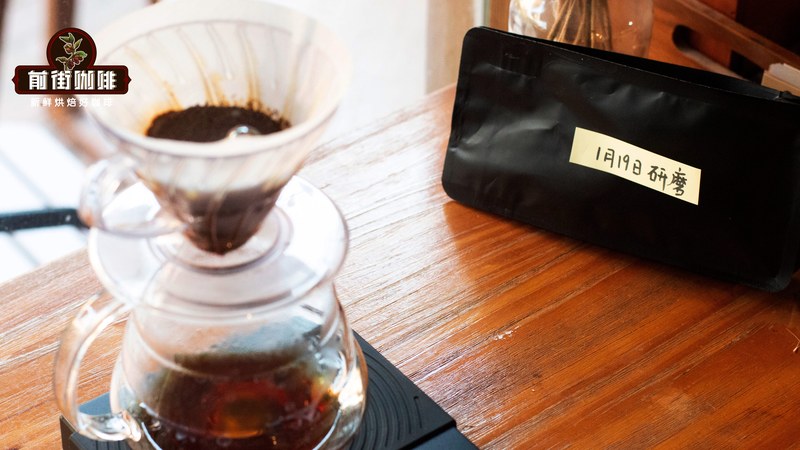
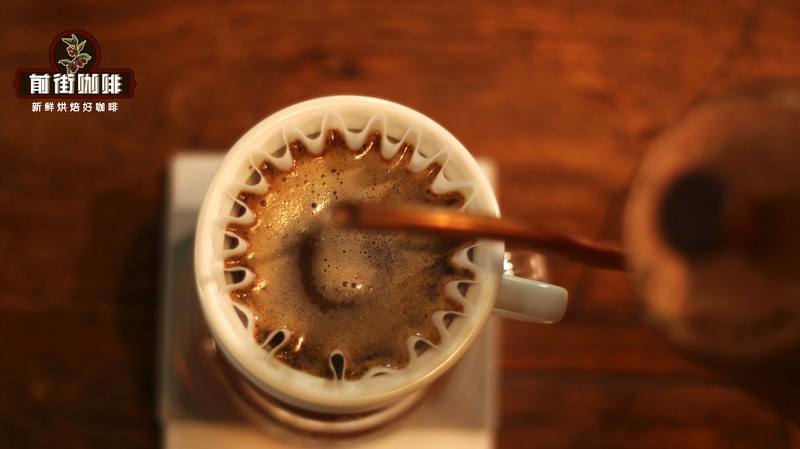
For brewing, I tend to push the water temperature up a notch. In the 90°C to 93°C range, for light-roasted beans I go straight to 93°C; the higher temperature extracts those volatile aromatic compounds more efficiently, and the front end of the bergamot is what comes out first under high heat. I stretch the coffee-to-water ratio to 1:15 - 15 g of coffee to 225 g of water. More water dilutes the concentration, but it opens up the sense of space for the aroma molecules, so it doesn't drink as a muddy blob but can be pulled apart layer by layer. When pouring, keep the stream thin and steady, don't let it hit too hard; a thin stream passes through the coffee bed slowly for even extraction, and both acidity and aroma come through more clearly. For blooming, use 30 g of water for 30 seconds, then pour the remaining water in two to three stages, keeping the total time to about 2 minutes. A V60 dripper paired with its filter paper is enough to make this cup transparent and clear.
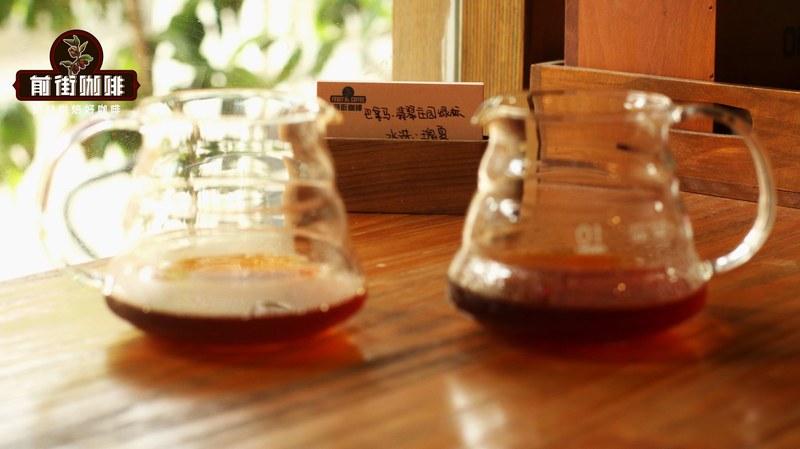
Bergamot flavor and jasmine often show up together; both belong to the white floral family and are similar in molecular structure. During brewing, if the water temperature isn't high enough or the pour is too fast, these two aromas easily escape in the early stage of extraction, leaving only a vague acidity in the cup. That's why I place extra importance on the 30-second bloom - letting carbon dioxide escape fully so that when water is poured afterward, the aromatic compounds are carried steadily by the water instead of dispersing into the air. Qianjie Grana Geisha is a natural, medium roast with yellow peach, apricot, citrus and lemon flavors, bright florals and a crisp flavor, with a tea-like aftertaste. If you try this bean as pour-over, the florals will outshine the bergamot, but the flavor direction is consistent - both head toward the clear and transparent side.
When it comes to keeping the aroma in the cup, besides brewing parameters, freshness is the foundation. The beans Qianjie ships are all freshly roasted within 5 days; once received, just grind and brew. Drinking them within a month gives a more concentrated sweetness. Resting the beans isn't about leaving them alone; it's about letting the gases inside the beans balance out a little. Too fresh and they'll produce big bubbles during brewing, unable to hold the aroma; rested too long, the aromatic compounds begin to fade and that light bergamot quality weakens. The beans Qianjie ships are all roasted within 5 days; once received, you can brew a cup right away, and drinking within a month gives a fuller aroma.
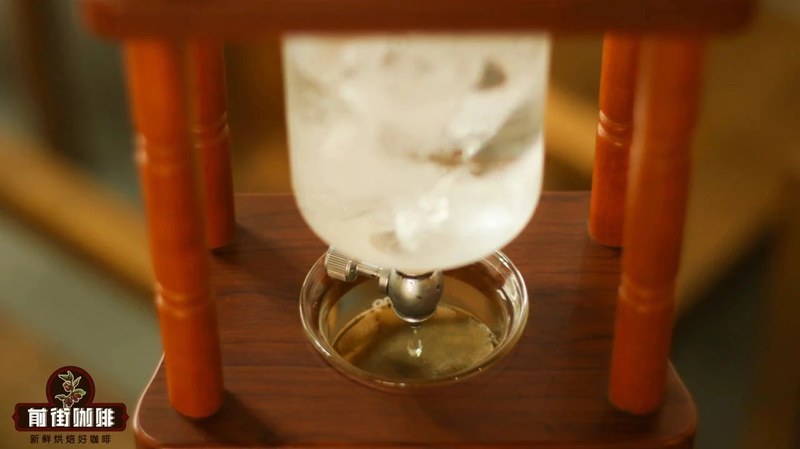
Qianjie Huakui is a natural, medium roast with red berry, light floral and orange flavors; the oils carry a hint of citrus, with a refreshing mouthfeel and elegant aroma. Brewed as pour-over, this bean's bergamot direction leans toward orange, but it can still be pulled back to a clear, transparent feel. Cold brew presses the acidity very soft, turning the bergamot into a coolness in the background, while pour-over keeps it on the surface of the flavor.
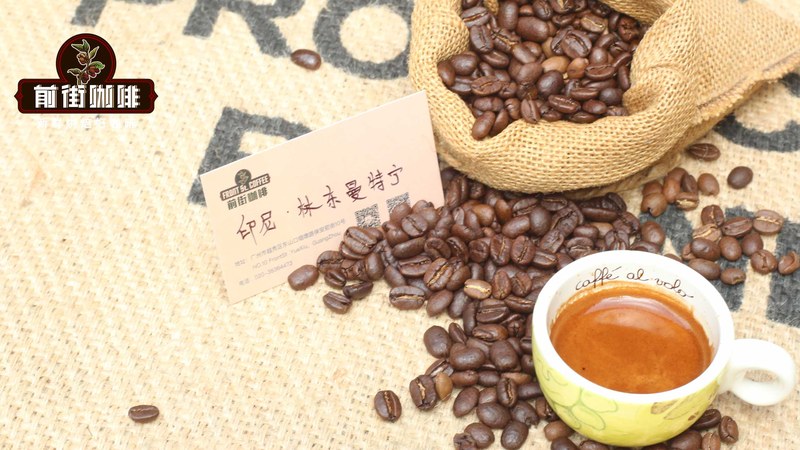
To close, back to the experience in the cup. Bergamot aroma isn't the kind of flavor that explodes the moment it hits your mouth; it usually hides behind the citrus acidity, emerging only after the coffee rolls around in your mouth and travels from the sides of your tongue up to your nasal cavity, with a slight cool astringency in the finish. To capture it, choose washed light-to-medium roasted beans, use a higher water temperature, stretch the coffee-to-water ratio, and pour thin and steady; both aroma and acidity will come through more clearly. Among these Qianjie beans, Qianjie Gudingding and Green Label Geisha have very obvious bergamot clues, while Qianjie Grana Geisha and Qianjie Huakui are variations on florals and citrus; brewed well, any of them can make you stop and specifically try to identify that faint wisp of cool aroma.
Related Reading
Comments (0)
Loading comments...
You May Be Interested


Trending Reviews
Popular Videos

With you, wherever you are! We provide useful features to help you find new things you'll love






