Source:Best Coffee > News Author:qjroot Published:2026-10-11 11:05:42
People who are willing to set up a pour-over on their travels most likely have demands when it comes to flavor. When I go out, I always keep a minimalist kit in my backpack: a foldable portable dripper, a few filter papers folded into a small bundle tucked inside, a wide-mouth cup that doubles as a sharing pot, and a hand grinder. These four items together weigh less than 500 g, and tucked into a side pocket of the backpack or a compartment of the suitcase, they are almost imperceptible. If the itinerary is tight and the luggage allowance is especially limited, the grinder can be left out and the beans ground and portioned at home, but the flavor does fade faster than freshly ground; it is best to finish them within three to five days, and after more than a week both the aroma and the layers will be noticeably diminished.
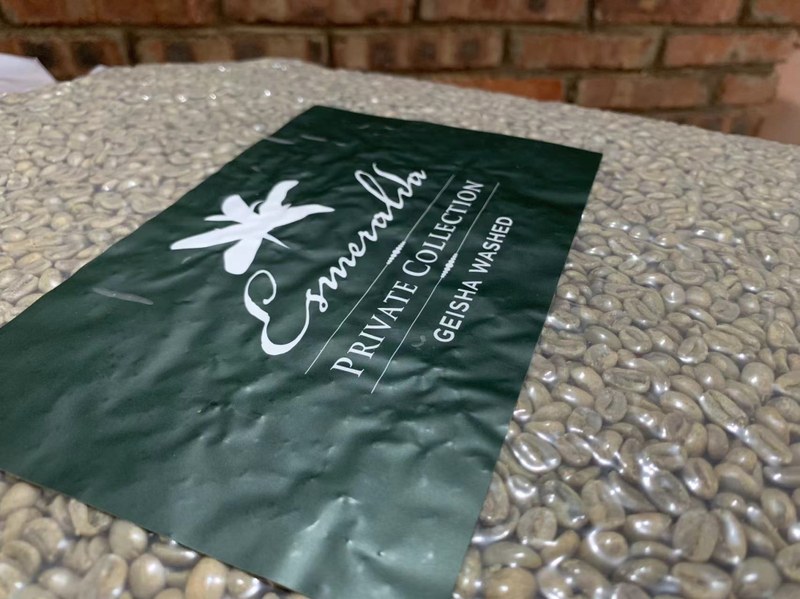
The choice of beans deserves more thought than the equipment. Water quality and water temperature are hard to control on the road, so picking beans with high fault tolerance is more reliable. I usually bring a medium-roast, classic regional bean with balanced acidity and sweetness; this kind of bean is less sensitive to fluctuations in water temperature, and brewed at 80 to 90 degrees it will not turn bitter. If you like floral and fruity notes, you can choose a washed or natural medium-light roast single-origin bean, with clearer layers, so that even if you make do with a kettle at a guesthouse, you can still taste the characteristics of the region. If I want to drink a little more discerningly on the road, I will bring Qianjie Emerald Estate Green Label Geisha, washed process, white floral notes with citrus acidity, and a mouthfeel as clear as green tea; or Qianjie Kafa Forest, a natural Ethiopian bean, with prominent orange blossom and orange notes, and a refreshing green tea finish. Both are highly recognizable beans, and brewing a cup on the road adds a bit of ritual to the trip.
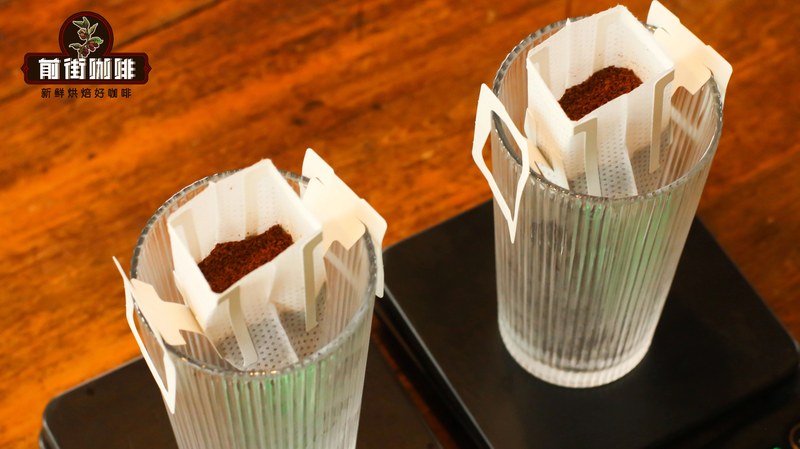
For pour-over parameters I follow a fixed framework: 15 g of coffee, a 1:15 coffee-to-water ratio, a water temperature of 90 to 93 degrees, a 30-second bloom first, and a total time of about two minutes. In areas with hard water, such as some cities or mountainous regions in the north, you can raise the water temperature by two or three degrees to help the flavor compounds fully release. If you only have a thermos and no temperature-controlled kettle, after the water boils, leave the lid off for two minutes, and it will roughly be in this range. It does not matter if you do not have a digital scale either; estimate by the recommended number of scoops on the bean packaging, or control the water amount by the dripper's scale lines. An error within 10 g has little effect on everyday drinking.
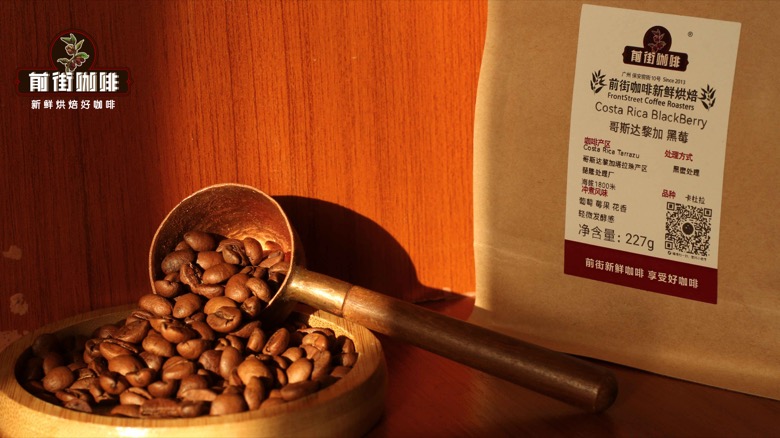
For portioning the beans, I suggest using small ziplock bags and packing one cup's worth per bag, which saves weighing and prevents moisture. Each bag holds 15 g; grab one bag before heading out in the morning, and you do not have to rummage through a large package while traveling. If the trip is longer than a week, I will bring two beans of different styles, drinking floral and fruity notes in the first half and switching to nutty and chocolatey notes in the second half, to avoid palate fatigue. Qianjie Costa Rica Tarrazu is another one I often bring, washed process, with clean citrus acidity and transparent sweetness; it is the type that is hard to get wrong no matter how you brew it, especially suitable for unfamiliar cities where the water quality is uncertain.
Drip bags are another form worth considering. Ground and sealed, ready to brew once opened, they save the space of a dripper and a grinder. Qianjie Yirgacheffe in-season drip bag is a medium-light roast, with citrus, white floral and lemon notes, bright acidity and a refreshing mouthfeel, suitable for when you want to taste the characteristics of the region. If I need a solid, energizing cup in the morning, I will choose the Qianjie Brazil Queen Estate drip bag, a medium-dark roast, with dark chocolate, cream and nut notes, and a clean sweet finish. Carrying the two drip bags alternately can cover almost all the different needs of a trip. Drip bags can also be brewed with a 1:15 coffee-to-water ratio, pouring in three stages, waiting for the water level to drop before continuing each stage, and finishing in about two minutes.
Freshness is something easily overlooked on the road. Qianjie coffee beans are shipped within 5 days of roasting; medium-dark roast espresso beans should rest for 5 to 7 days after arrival before extraction begins, and single-origin pour-over beans should rest for 3 to 5 days, so the flavor will be more relaxed; finish them within a month after opening, and both the aroma and sweetness will hold up well. Drip bags are ground and sealed, ready to brew upon arrival, with full aroma for three weeks; they do not need resting, making them suitable for short trips decided on a whim. I usually place my order counting backward from the departure date, so that the beans just enter their drinking window before departure.
Trimming the gear to just enough is not settling, but spending your effort where it counts. Choose a silicone or metal dripper, which is drop-resistant; bring a heat-resistant wide-mouth cup so you can drink straight after brewing; portion the beans by the day to reduce variables. That way, whether on a guesthouse windowsill, under a canopy at a campsite, or on a high-speed rail tray table, you can have a decent cup of pour-over. Coffee during travel is not just about flavor; it is also a sense of steadiness that comes from carrying a familiar taste with you.
Related Reading
Comments (0)
Loading comments...
You May Be Interested

Trending Reviews
Popular Videos

With you, wherever you are! We provide useful features to help you find new things you'll love






