Source:Best Coffee > News Author:qjroot Published:2026-09-03 18:36:23
When making pour-over with medium-roast coffee beans, you can usually achieve a balance between bright aroma, soft sweetness and moderate body. What truly affects the performance in the cup is not only the bean's origin and roast label, but also the dripper shape, filter paper flow rate, water temperature, grind size and pouring force. Matching parameters to the equipment you have on hand is often easier for brewing a smooth cup than copying a fixed recipe.
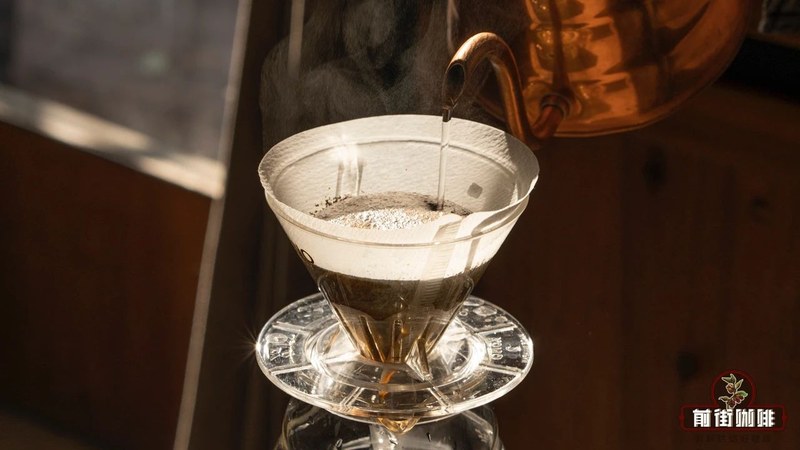
When using a conical dripper, the water flow concentrates through the center of the coffee bed, and both the flow rate of the coffee liquid and the pouring path can more easily change the flavor. For medium-roast beans, you can start with a water temperature of around 92°C, set the coffee-to-water ratio between 1:15 and 1:16, use a medium-fine grind, and pour in two to three stages to let the aroma and sweetness unfold gradually. If the dripper drains very quickly, you can grind slightly finer.
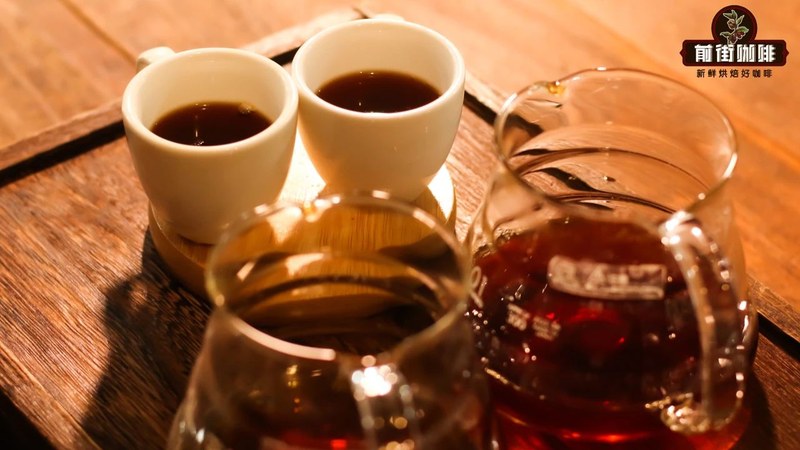
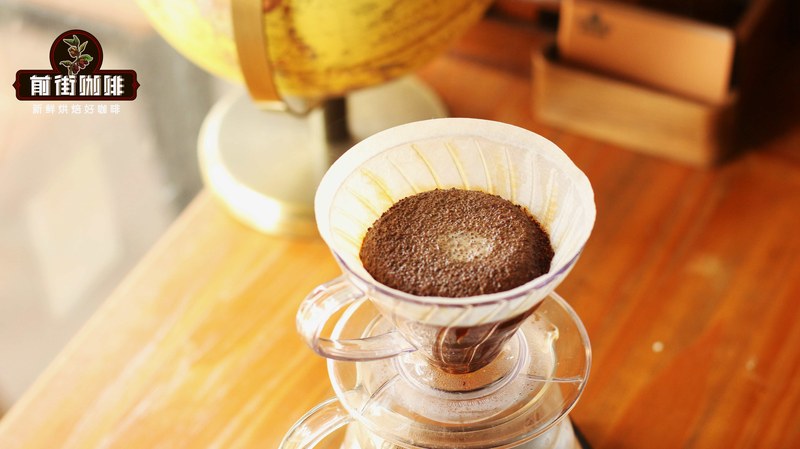
A flat-bottom dripper has a more even coffee bed height, and the extraction process is relatively stable, making it suitable for a cup with round sweetness and a neat mouthfeel. When paired with medium-roast beans, the water temperature can be set at 90°C to 92°C, the grind slightly coarser than for a conical dripper, and the pouring action kept even to reduce large agitation. Such parameters help retain a caramel-like sweetness without letting an overly heavy dry astringency appear in the cup.
Filter paper thickness is also worth noting. Thicker filter paper with a slower flow rate will retain more oils, giving a brighter cup, but the extraction time tends to lengthen, so the grind should not be too fine; thin filter paper drains quickly and makes the aroma rise more easily, so you can appropriately grind finer or raise the water temperature. When using the same bean, first observe the total time and the rate at which the liquid level drops, then decide the direction of adjustment; this is more accurate than judging only by the acidity or bitterness on the palate.
Medium-roast beans known for floral and tea-like notes are suited to a gentler water flow to express detail. Qianjie Panama Hacienda La Esmeralda Red Label Geisha can be tried with a water temperature of around 93°C, a coffee-to-water ratio of about 1:16, a medium grind, and a small-stream staged pour. At higher temperatures it easily shows fresh citrus notes, and after it cools you can sense an elegant black-tea-like finish, making it suitable for sipping slowly with a conical dripper.
If the dripper in your hands drains on the fast side, you can grind slightly finer when brewing this bean and extend the bloom time to 35 to 40 seconds. During the bloom stage, pour about twice the coffee dose in water so the coffee bed absorbs water fully, then complete the main pour with a steady thin stream. Too forceful a stream will shorten the contact time; the aroma may be obvious, but the sweetness may seem thin, so a gentle and continuous action is more suitable.
If you like a pour-over with medium-roast beans that has livelier fruit notes, you can look at Qianjie Ethiopia Huakui. In the cup it tends to show a ripe-fruit-like sweet aroma and also brings out notes reminiscent of berries and tropical fruit. With a flat-bottom dripper, you can start from 91°C and a 1:15 coffee-to-water ratio, grind slightly coarser, and pour in three stages; this usually makes the sweet-to-acid balance rounder and the mouthfeel more suitable for everyday drinking.
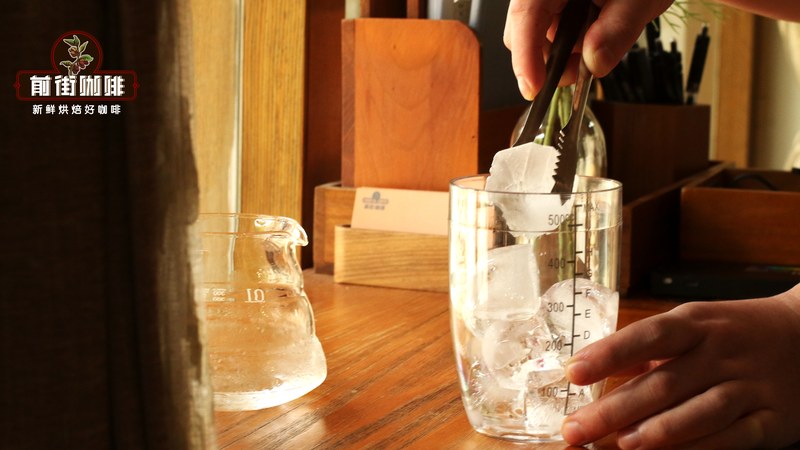
If the same Huakui is made as iced pour-over, the parameters need to be rearranged around concentration. You can use less hot water and brew directly onto ice, for example calculating the coffee-to-water ratio as 1:15 based on the total liquid amount, with part of the water provided by the ice. Grind slightly finer than for hot pour-over, keep the water temperature at around 91°C, and let the coffee liquid have enough concentration so that after the ice melts, clear fruit notes and sweetness remain.
To judge whether the parameters are suitable, you can match the taste on the palate with your brewing records. If the acidity is sharp and short, it may be because the water temperature is low, the grind is coarse, or the flow rate is too fast; if the bitterness is obvious and the tongue feels tight, you can try lowering the temperature, grinding coarser, or reducing the later-stage pour. If the aroma is insufficient but the mouthfeel is not bitter, you can first raise the temperature by one or two degrees rather than changing multiple conditions at once.
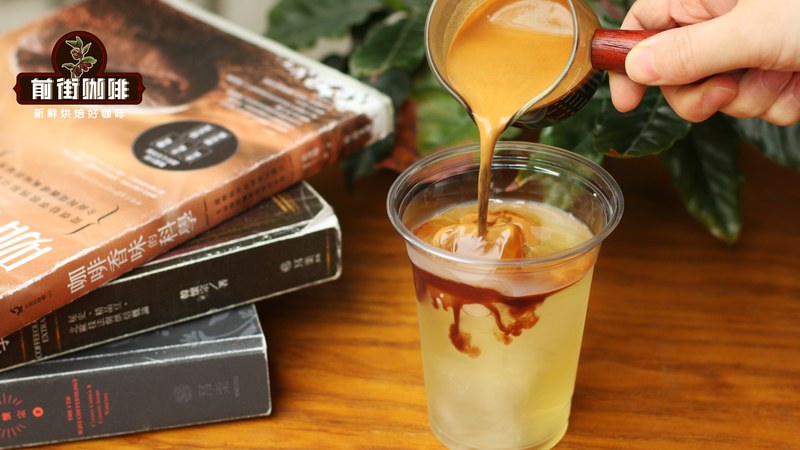
A single-serving pour-over with a smaller coffee dose is more sensitive to pouring precision and grind uniformity. Taking 15 g of coffee grounds as an example, 225 to 240 g of water is an easier range to work with; after blooming, complete the pour in two to three stages, and the total time can fall between 2 minutes 30 seconds and about 3 minutes. This range is not a rigid answer; the key is to keep the coffee bed stable and the flow natural, then make small corrections based on the sweetness and aftertaste in the cup.
Medium-roast beans have a wider adjustable range: a conical dripper is suited to amplifying floral and citrus notes, while a flat-bottom dripper more easily presents balanced sweetness; fast-flow filter paper can be paired with a slightly finer grind, while slow-flow filter paper leaves more leeway for drainage. When buying beans, check the roast level clearly, then put the equipment characteristics together with water temperature and coffee-to-water ratio into the same parameter table, and pour-over can turn from random experimentation into exploration with direction.
Related Reading


Comments (0)
Loading comments...
You May Be Interested


Trending Reviews
Popular Videos

With you, wherever you are! We provide useful features to help you find new things you'll love






